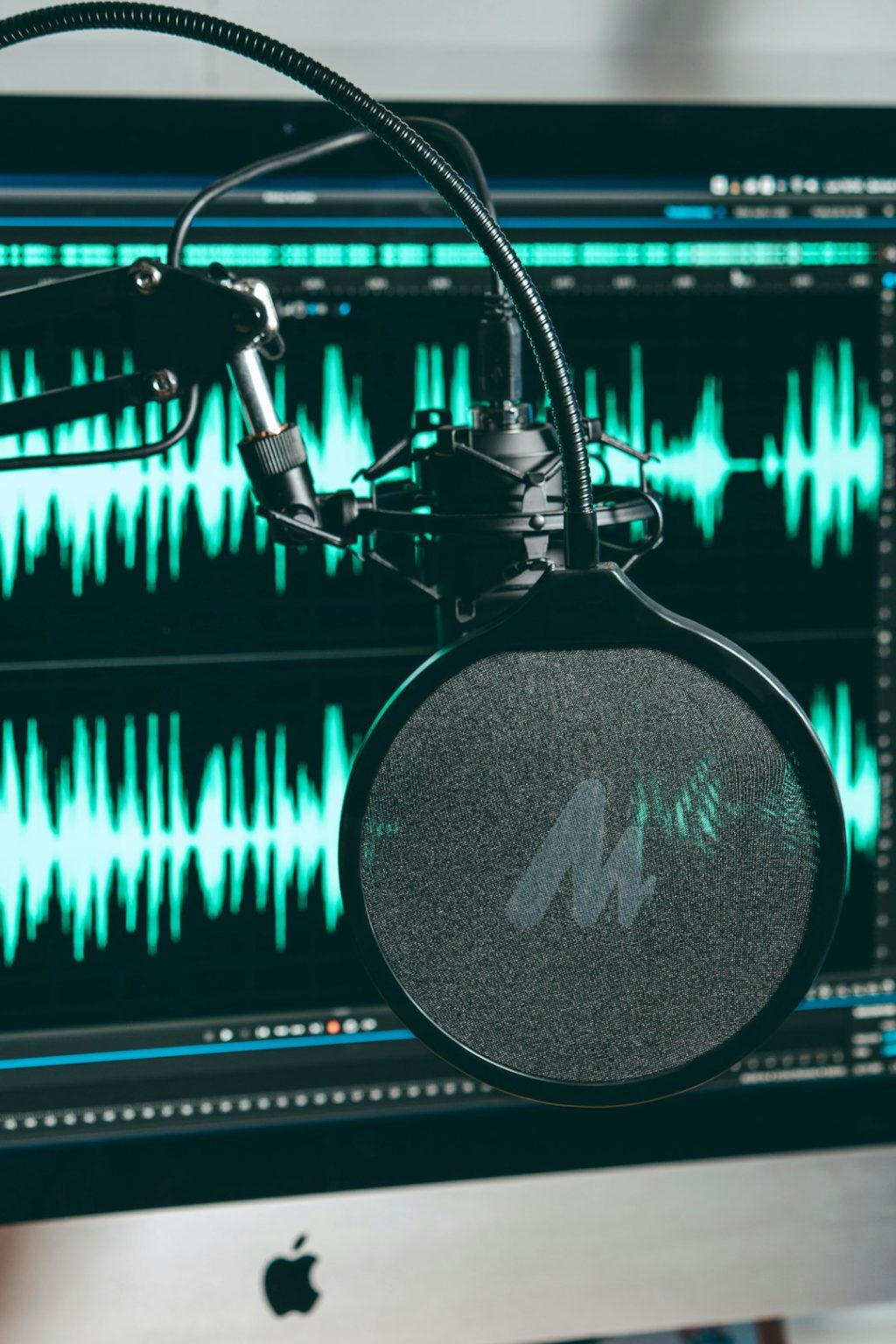
Text-to-speech (TTS) technology has rapidly transformed the way creators produce content and how audiences consume it. From podcasts and YouTube videos to eLearning modules and assistive technologies, modern AI voices sound more natural than ever. Businesses use them to scale content production, while individuals rely on them for accessibility and multitasking convenience. Today’s tools offer realistic tone, multilingual capabilities, and even emotional expression.
TL;DR: Modern text-to-speech tools provide realistic AI voices for podcasts, videos, eLearning, and accessibility needs. Many platforms offer multilingual support, voice customization, and commercial-use rights. This guide compares 14 notable TTS tools, highlighting strengths, best use cases, and key features. A comparison chart and FAQ section help readers quickly choose the right platform.
Below are 14 notable text-to-speech tools that stand out in today’s market for their reliability, voice quality, and feature sets.
1. Murf.ai
Murf.ai is widely recognized for its studio-quality voiceovers. It offers a large library of natural-sounding voices across multiple languages and accents. The platform is especially popular among YouTubers, marketers, and course creators.
- 120+ AI voices
- Voice customization (pitch, speed, emphasis)
- Team collaboration tools
- Commercial license options
2. Play.ht
Play.ht uses advanced AI models to deliver highly realistic voices. It supports a wide range of languages and allows users to download files in MP3 or WAV formats. It is well-suited for podcasts and blog-to-audio conversion.
- 800+ voices
- Multiple language support
- Audio widgets for websites
- API access
3. ElevenLabs
ElevenLabs has gained attention for its cutting-edge voice realism and emotional depth. Its voice cloning feature enables creators to replicate specific vocal characteristics with impressive accuracy.
- Ultra-realistic AI voices
- Voice cloning technology
- Multilingual speech synthesis
- Fine-tuned voice control
4. Speechify
Speechify is particularly strong in accessibility applications. Students, professionals, and individuals with reading difficulties use it to convert text into clear spoken audio.
- Mobile and desktop apps
- Speed listening options
- Optical character recognition (OCR)
- Celebrity voice options (premium plans)
5. Amazon Polly
Amazon Polly is a developer-focused TTS service from AWS. It provides scalable, cloud-based voice generation powered by neural networks.
- Neural TTS voices
- SSML support
- Pay-as-you-go pricing
- Ideal for enterprise apps
6. Google Cloud Text-to-Speech
Google Cloud TTS offers deep learning-based speech synthesis. It provides WaveNet voices that are highly natural and suitable for professional use.
- WaveNet technology
- Language and accent variations
- Strong API integration
- Enterprise scalability
7. Microsoft Azure Text to Speech
Microsoft Azure TTS combines neural voice technology with enterprise-grade infrastructure. It supports voice styles that express emotions like excitement or calmness.
- Custom neural voices
- Real-time synthesis
- Multilingual support
- Advanced security features
8. Resemble AI
Resemble AI focuses on voice cloning and synthetic voice creation. It is ideal for brands wanting a consistent voice identity.
- Custom AI voice creation
- Emotional tone control
- API access
- Multilingual capabilities
9. LOVO
LOVO offers a versatile AI voice generator tailored for video production and advertising. Its library includes expressive voices suited for storytelling.

- 500+ voices
- Emotionally expressive models
- Built-in video editor
- Commercial rights included
10. NaturalReader
NaturalReader serves both personal and business users. It is especially useful for converting documents and PDFs into audio formats.
- Desktop and web versions
- OCR scanning
- Natural-sounding voices
- Educational use cases
11. Descript
Descript blends text-to-speech with audio and video editing. Its Overdub feature allows creators to generate voiceovers directly within the editing timeline.
- Voice cloning (Overdub)
- Podcast editing tools
- Multitrack editing support
- Collaboration features
12. iSpeech
iSpeech offers reliable speech synthesis for apps and enterprise solutions. It has long been used in mobile and web applications.
- API integration
- Mobile SDKs
- Multiple voice options
- Affordable plans
13. Balabolka
Balabolka is a free, Windows-based TTS tool. While not as advanced as AI-powered platforms, it supports numerous file formats and system voices.
- Free to use
- Supports various file types
- Customizable pronunciation
- Lightweight software
14. CapCut Text to Speech
CapCut integrates text-to-speech directly into its video editing software. Social media creators appreciate the speed and simplicity it offers.
- Built-in video editor
- Quick voice generation
- Multiple preset voices
- Free access options
Comparison Chart
| Tool | Best For | Voice Customization | API Access | Free Plan |
|---|---|---|---|---|
| Murf.ai | Professional voiceovers | Yes | Limited | Yes |
| Play.ht | Podcasts & blogs | Yes | Yes | Limited |
| ElevenLabs | Realistic AI voices | Advanced | Yes | Yes |
| Speechify | Accessibility | Basic | No | Yes |
| Amazon Polly | Enterprise apps | SSML | Yes | Limited |
| Google Cloud TTS | Scalable apps | SSML | Yes | Limited |
| Microsoft Azure TTS | Custom enterprise voices | Advanced | Yes | Limited |
| Resemble AI | Voice cloning | Advanced | Yes | Limited |
| LOVO | Video content | Yes | Limited | Yes |
| NaturalReader | Document reading | Basic | No | Yes |
| Descript | Podcast editing | Advanced | Limited | Yes |
| iSpeech | Mobile apps | Basic | Yes | Limited |
| Balabolka | Free desktop use | Basic | No | Free |
| CapCut | Social media videos | Preset only | No | Yes |
Choosing the Right Tool
Selecting the best text-to-speech tool depends on the intended purpose. Podcasters may prioritize natural tone and emotional range. Video creators often look for built-in editing tools. Businesses typically need API access and scalability, while educators and accessibility users focus on clarity and affordability.

It is also important to evaluate licensing terms, particularly for commercial projects. Some tools include commercial rights in standard plans, while others require premium subscriptions. Testing voice samples before committing ensures the chosen platform aligns with the project’s tone and branding.
FAQ
1. What is a text-to-speech tool?
A text-to-speech tool converts written text into spoken audio using artificial intelligence or speech synthesis technology.
2. Are AI voices suitable for professional podcasts?
Yes, many modern AI voices are highly realistic and widely used in professional podcasts, explainer videos, and marketing materials.
3. Which tool is best for accessibility purposes?
Speechify and NaturalReader are commonly preferred for accessibility due to their ease of use and focus on document reading.
4. Can text-to-speech tools clone real voices?
Some platforms, such as ElevenLabs and Resemble AI, offer voice cloning features. Users should always ensure proper consent before cloning a voice.
5. Are there free text-to-speech tools available?
Yes. Tools like Balabolka and CapCut offer free functionality, while most premium platforms provide limited free plans.
6. Do text-to-speech tools support multiple languages?
Many advanced tools, including Play.ht, Google Cloud TTS, and Microsoft Azure TTS, support multiple languages and accents.
7. Is an API necessary for content creators?
Not necessarily. APIs are typically useful for developers building applications, while individual creators often rely on web-based interfaces.
As artificial intelligence continues to evolve, text-to-speech tools will become even more natural and expressive. Whether used for podcasts, videos, education, or accessibility, these 14 platforms represent some of the most capable and innovative solutions currently available.