

As organizations become more conscious of data sovereignty, regulatory compliance, and ethical marketing practices, many are rethinking their reliance on cloud-based SaaS platforms. Privacy-focused teams—particularly those in healthcare, finance, education, non-profits, and EU-based companies—must ensure that customer data is handled with strict control and transparency. Self-hosted open-source marketing tools offer a compelling alternative: full data ownership, auditability, and customization without vendor lock-in.
TL;DR: Privacy-focused teams can reduce data exposure and vendor dependency by adopting self-hosted open-source marketing tools. Platforms like Mautic, Matomo, Listmonk, and Fathom Lite provide robust capabilities for automation, analytics, and email management while ensuring full data control. Though they require internal technical expertise, they offer long-term security, compliance advantages, and cost predictability. For organizations prioritizing data sovereignty, these tools are practical and enterprise-ready alternatives to commercial SaaS solutions.
Below are four proven open-source marketing tools that privacy-conscious teams can confidently deploy in their own infrastructure.
1. Mautic – Open-Source Marketing Automation
Mautic is one of the most mature and widely adopted open-source marketing automation platforms available today. It provides functionality comparable to commercial automation tools while giving teams complete control over customer data.

Core Capabilities:
- Email marketing with advanced segmentation
- Lead scoring and lifecycle tracking
- Custom landing page builder
- Campaign automation workflows
- CRM and third-party integrations
Why It’s Suitable for Privacy-Focused Teams:
- Fully self-hosted (on-premise or private cloud)
- No external data sharing unless configured
- Transparent data processing
- Compliance-friendly when configured properly (GDPR, HIPAA environments)
Mautic requires server management and ongoing maintenance, but for organizations with in-house DevOps or IT support, it offers enterprise-grade marketing automation without surrendering control to third-party platforms. It is particularly well-suited for B2B organizations that rely on structured lead nurturing and scoring.
2. Matomo – Privacy-Centric Web Analytics
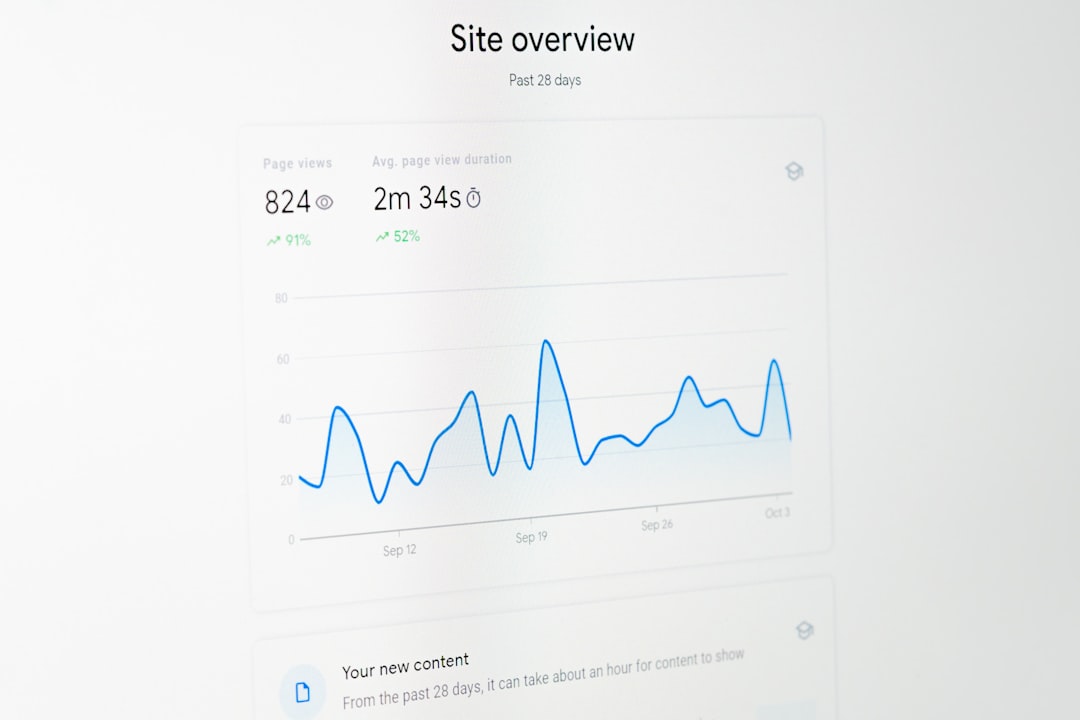
Matomo is a powerful alternative to Google Analytics that prioritizes data ownership and visitor privacy. It offers both a self-hosted and a cloud version, but privacy-first teams typically deploy it on their own infrastructure.
Core Capabilities:
- Real-time visitor analytics
- Conversion tracking
- Heatmaps and session recordings
- Custom reporting dashboards
- Consent management tools
Privacy Advantages:
- Data stored on your own servers
- No data shared with advertising networks
- IP anonymization and consent controls built-in
- Full GDPR compliance tools
Unlike Google Analytics, Matomo does not monetize user data. Organizations retain full ownership of tracking information, making it particularly valuable for companies operating under strict regulatory requirements. The platform is also highly transparent, with auditable code and customizable tracking behavior.
For teams that rely heavily on analytics-driven decision-making but cannot risk third-party tracking exposure, Matomo is a strong and credible solution.
3. Listmonk – High-Performance Email Management
Listmonk is a modern, high-performance self-hosted newsletter and mailing list manager. Lightweight yet powerful, it is designed for large-scale email distribution without compromising simplicity or control.
Core Capabilities:
- Subscriber management with segmentation
- Custom campaign creation
- High-speed email sending
- REST API integration
- Custom templates
Why It Stands Out:
- Handles millions of subscribers efficiently
- No per-contact pricing structure
- Clean and minimal interface
- Strong API for automation
Unlike SaaS email marketing platforms that charge based on contact volume, Listmonk allows unlimited subscriber storage within your own infrastructure. This makes cost scaling predictable and eliminates exposure to third-party servers.
However, organizations must configure their own SMTP services and maintain email deliverability practices (SPF, DKIM, DMARC). For technically capable teams, this trade-off is often acceptable given the increased data sovereignty.
4. Fathom Lite – Minimalist Privacy Analytics
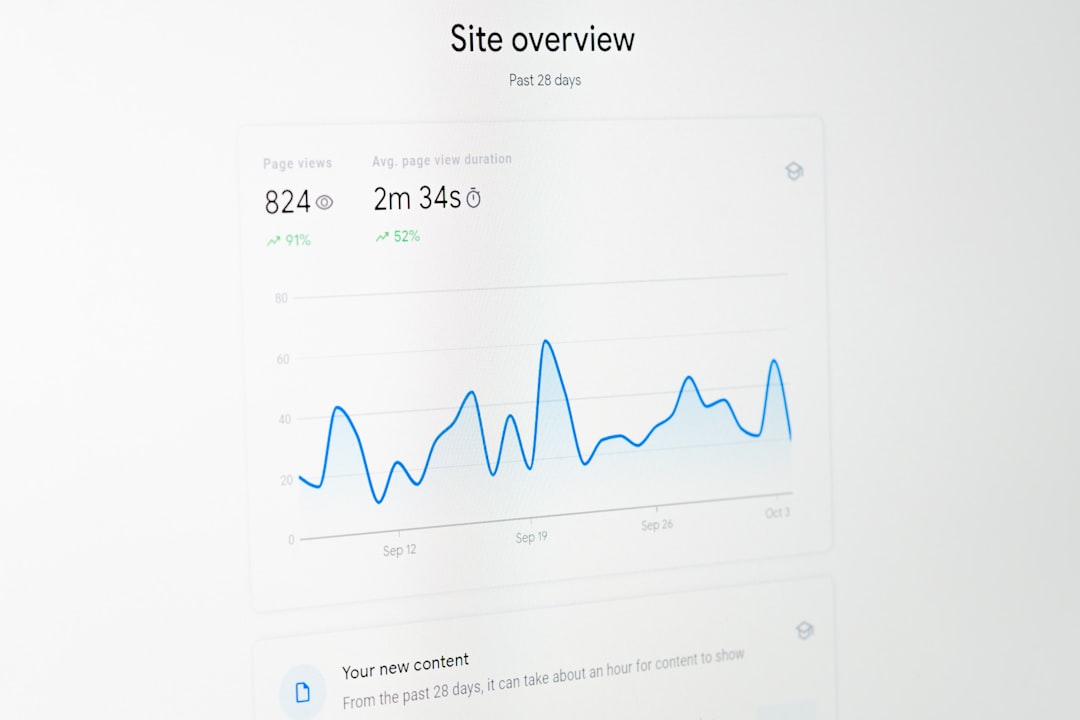
Fathom Lite (the open-source version of Fathom Analytics) is designed around a simple but powerful principle: privacy-first website measurement without invasive tracking.
Core Capabilities:
- Simple visitor counts
- Referrer tracking
- Device and page insights
- Cookie-free tracking options
Privacy Benefits:
- Minimal data collection
- No personal data storage by default
- Designed for GDPR, PECR, and CCPA compliance
- Lightweight and fast
Fathom Lite is ideal for organizations that want essential performance metrics without deep behavioral profiling. It is particularly suitable for advocacy groups, publishers, and privacy-led brands that want to demonstrate a commitment to ethical analytics.
While it lacks the deep segmentation and event modeling of Matomo, its simplicity reduces compliance risks and administrative overhead.
Comparison Chart
| Tool | Primary Use | Best For | Technical Complexity | Privacy Control Level |
|---|---|---|---|---|
| Mautic | Marketing automation | B2B lead nurturing | High | Very High |
| Matomo | Web analytics | Data-driven marketing teams | Medium | Very High |
| Listmonk | Email marketing | Large mailing lists | Medium | High |
| Fathom Lite | Simple analytics | Privacy-first organizations | Low | High |
Key Considerations Before Adopting Self-Hosted Tools
While self-hosting offers substantial privacy and compliance benefits, it is not without operational responsibilities. Organizations should assess:
- Infrastructure readiness: Hosting environment, security hardening, backups
- Technical expertise: Ongoing updates, patch management, monitoring
- Email reputation management: Proper configuration of authentication protocols
- Scalability planning: Anticipating growth in data and usage
Security misconfiguration can undermine privacy benefits. Therefore, adopting open-source tools should be paired with disciplined IT governance and documentation.
Why Privacy-Focused Teams Are Moving Away from SaaS
Several structural trends are driving the adoption of self-hosted marketing solutions:
- Regulatory expansion: GDPR, CCPA, and sector-specific compliance rules
- Rising SaaS costs: Escalating per-user and per-contact pricing models
- Vendor dependency risks: Platform lock-in and pricing unpredictability
- Ethical branding: Building trust through transparent data practices
Customer trust has become a competitive advantage. Brands able to communicate clear data stewardship practices often benefit from stronger long-term loyalty.
Final Thoughts
Self-hosted open-source marketing tools are no longer niche alternatives—they are viable, mature solutions for privacy-focused teams seeking autonomy and compliance assurance. Platforms like Mautic, Matomo, Listmonk, and Fathom Lite demonstrate that marketing performance and data sovereignty are not mutually exclusive.
However, these tools require deliberate implementation. Organizations must invest in infrastructure, technical oversight, and compliance configuration. When deployed responsibly, they offer sustainable cost structures, reduced regulatory exposure, and enhanced customer trust.
For teams committed to long-term privacy and operational independence, self-hosted open-source marketing technology represents not just a technical decision—but a strategic one.