

APIs are the quiet heroes of modern software. They connect apps, move data, and make the digital world run smoothly. To test them, many developers turn to Postman. It’s popular, powerful, and widely trusted. But it’s not the only option. In fact, there are several great alternatives that might suit your workflow even better.
TLDR: Postman is great, but it’s not your only choice for API testing. Tools like Insomnia, Hoppscotch, and Swagger offer unique features and workflows. Some focus on collaboration. Others shine in automation or simplicity. The best tool depends on your team’s needs and style.
Let’s explore seven Postman alternatives that are worth your attention. We’ll keep it simple. No jargon overload. Just practical insights.
1. Insomnia
Best for: Clean interface and smooth user experience.
Insomnia is often the first name that comes up when someone looks for a Postman alternative. And for good reason.
- Beautiful and simple interface.
- Strong support for REST and GraphQL.
- Environment variables and automation support.
- Open-source core.
It feels lightweight. Fast. Easy to learn. You can organize requests into folders and manage environments without confusion.
Insomnia also has strong plugin support. That means you can extend it with custom features if needed.

If you like tools that stay out of your way, Insomnia is a solid pick.
2. Hoppscotch
Best for: Speed and simplicity in the browser.
Hoppscotch is a fast, web-based API client. It used to be called Postwoman. Yes, really.
- Runs directly in your browser.
- Open-source.
- Supports REST, GraphQL, WebSockets, and more.
- Real-time collaboration features.
No heavy installs. No setup headaches. Just open the website and start testing.
Hoppscotch is perfect for quick checks. It’s also great for teams that want something lightweight and accessible from anywhere.
If Postman feels too bulky, Hoppscotch feels refreshing.
3. Swagger (Swagger UI & SwaggerHub)
Best for: API design and documentation-first workflows.
Swagger is more than just a testing tool. It’s part of a larger API ecosystem built around the OpenAPI specification.
- Interactive API documentation.
- Easy request testing directly from docs.
- Strong integration with API design workflows.
- Team collaboration in SwaggerHub.
With Swagger UI, you can test endpoints straight from the documentation page. That means no switching tools.
This makes it great for teams that follow a design-first approach. You define your API structure first. Then generate docs and test from there.
It’s not as collection-heavy as Postman. But for structured API projects, it shines.
4. Thunder Client
Best for: VS Code lovers.
If you live inside Visual Studio Code, this one’s for you.
Thunder Client is a lightweight REST client extension for VS Code.
- Runs directly inside your editor.
- No separate app needed.
- Simple collection management.
- Fast and minimal interface.
You write code. You test APIs. All in one place.
This reduces context switching. And that can boost productivity more than you think.
It may not be as feature-rich as Postman. But for many developers, its simplicity is enough.
5. Paw (macOS Only)
Best for: Mac users who want a native experience.
Paw is a powerful API client built specifically for macOS.
- Native Mac interface.
- Advanced dynamic values support.
- Strong GraphQL integration.
- Code generation for multiple languages.
It feels smooth. Polished. Very “Apple-like.”
One standout feature is its dynamic values system. You can chain requests and reuse data easily.
The downside? It’s not free. And it’s only for Mac.
But if you’re deep in the Apple ecosystem, Paw is a premium alternative.
6. RapidAPI Client
Best for: Discovering and testing public APIs.
RapidAPI is known as an API marketplace. But it also offers built-in testing tools.
- Huge library of public APIs.
- Test directly in the browser.
- Built-in authentication handling.
- Easy subscription management.
If you frequently experiment with third-party APIs, this platform is convenient.
You can search for an API. Subscribe. Test it. All in one place.
It’s not a full replacement for deep internal API testing. But for exploration and quick integration work, it’s fantastic.
7. Karate DSL
Best for: Automated API testing and developers who love code.
Karate DSL is different. It’s code-driven. Built on top of Cucumber and Java.
- Write tests in a readable syntax.
- Strong automation support.
- Built-in assertions and validations.
- CI/CD friendly.
This tool is less about clicking buttons. It’s more about writing structured test scripts.
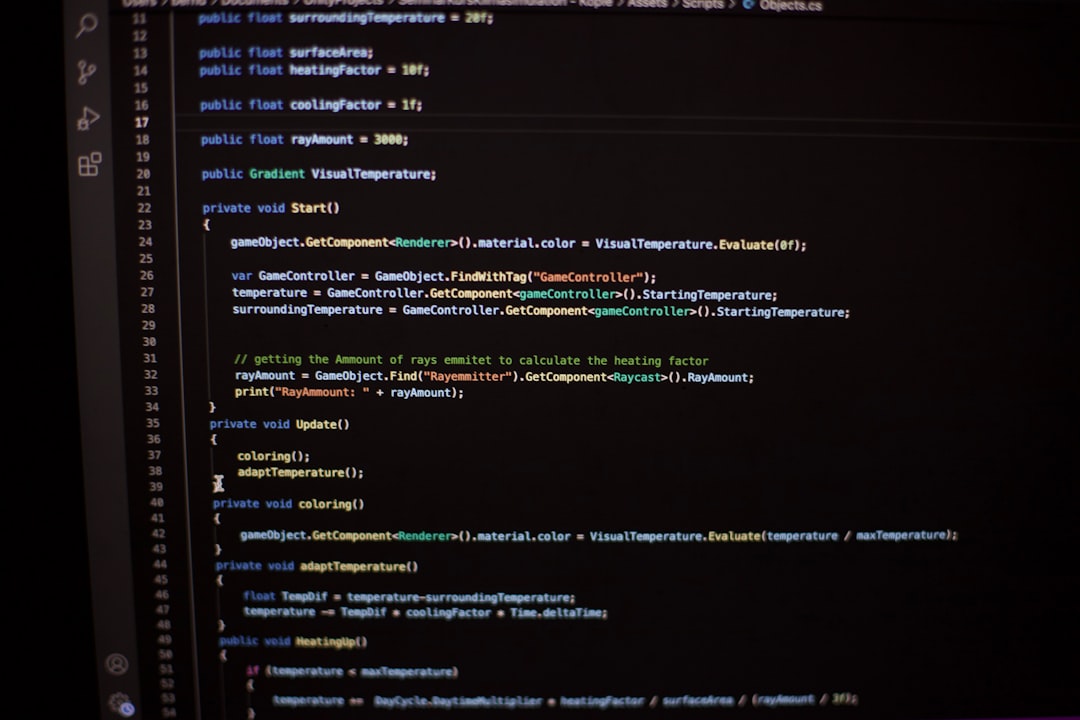
If your team focuses heavily on automated testing pipelines, Karate is powerful.
It may not be beginner-friendly. But for QA engineers and automation specialists, it’s a gem.
Quick Comparison Chart
| Tool | Best For | Platform | Beginner Friendly | Automation Support |
|---|---|---|---|---|
| Insomnia | Clean UI and flexibility | Windows, Mac, Linux | Yes | Yes |
| Hoppscotch | Browser-based testing | Web | Very | Basic |
| Swagger | Design-first workflows | Web, Self-hosted | Moderate | Yes |
| Thunder Client | VS Code integration | VS Code | Yes | Limited |
| Paw | Native Mac experience | macOS | Yes | Yes |
| RapidAPI | Public API marketplace | Web | Very | Limited |
| Karate DSL | Automation-heavy teams | Java-based environments | No | Strong |
How to Choose the Right One
Choosing an API testing tool is not about picking the “best” one. It’s about picking the right one for you.
Ask yourself:
- Do I prefer a graphical interface or code?
- Do I need deep automation?
- Is collaboration important?
- Do I want something lightweight?
- What operating system am I using?
If you work solo and value design, try Insomnia. If you live in VS Code, test Thunder Client. If automation is king, explore Karate.

Every team works differently. Your tool should match your rhythm.
Final Thoughts
Postman may dominate the API testing conversation. But it’s far from the only player in town.
From the elegance of Paw to the speed of Hoppscotch. From the structure of Swagger to the automation power of Karate. There’s something for everyone.
The good news? Most of these tools offer free versions or trials. You can experiment without risk.
API testing doesn’t have to be boring. And it doesn’t have to be complicated.
Pick a tool. Send a request. Break something safely. Fix it. Repeat.
That’s how great APIs are built.