
Online commerce has evolved dramatically over the past decade, but many businesses are still piecing together fragmented tools to keep their digital storefronts running. From inventory management and marketing automation to customer experience and fulfillment, scalability often feels like an afterthought rather than a built-in advantage. Eschopper is emerging as a fresh blueprint—an integrated, flexible model designed to help businesses not just sell online, but scale sustainably and intelligently.
TLDR: Eschopper represents a new approach to scalable online commerce that emphasizes integration, automation, and adaptability from day one. Rather than relying on disconnected tools, it unifies operations, marketing, and data into a cohesive system. This makes it easier for businesses to grow without technical bottlenecks. Companies adopting the Eschopper blueprint can scale faster, reduce overhead, and create better customer experiences.
What Is Eschopper?
At its core, Eschopper is not just another ecommerce platform. It is a conceptual and operational blueprint for building online businesses that are:
- Modular – Easily adaptable components that grow with demand
- Data-driven – Insights guide every decision
- Automation-first – Processes scale without proportional labor costs
- Customer-centric – Experience is embedded into infrastructure
Traditional ecommerce setups often start small and become complex over time. Business owners bolt on plug-ins, third-party tools, and improvised workflows. Eventually, scaling becomes difficult because systems were never designed to handle volume, internationalization, or personalization.
Eschopper flips this approach. It encourages businesses to design their digital commerce ecosystem with scalability as the foundation—not as an afterthought.
The Problem with Traditional Online Commerce Models
Before understanding why Eschopper matters, it helps to examine why so many online businesses struggle to scale:
- Tool fragmentation – Marketing, CRM, fulfillment, and analytics live in separate systems.
- Manual processes – Inventory updates, order routing, and reporting are often hands-on.
- Performance bottlenecks – Platforms can’t handle traffic spikes.
- Poor data synchronization – Decisions are made using incomplete information.
This complexity leads to inefficiency. As revenue increases, operational stress multiplies. Instead of enjoying economies of scale, businesses experience growing pains.

Eschopper addresses these issues by emphasizing interoperability and centralized control. It builds scaling into architecture rather than layering fixes over structural weaknesses.
The Core Pillars of the Eschopper Blueprint
1. Unified Infrastructure
Eschopper encourages companies to adopt a unified infrastructure where data flows seamlessly between systems. Orders, customer behavior, marketing campaigns, logistics, and financial reporting connect in real time.
Benefits include:
- Reduced duplication of work
- Cleaner analytics
- Faster decision-making
- Simplified expansion into new markets
Rather than treating systems as isolated departments, Eschopper views them as parts of a single commerce engine.
2. Automation as a Growth Lever
Automation is central to scalability. In the Eschopper model, workflows such as:
- Inventory updates
- Abandoned cart recovery
- Email segmentation
- Shipping label creation
- Demand forecasting
are automated from inception. This allows revenue to grow without labor costs increasing proportionally.
Instead of hiring more staff to handle complexity, businesses optimize process design. Automation becomes a multiplier—not just a convenience.
3. Composable Architecture
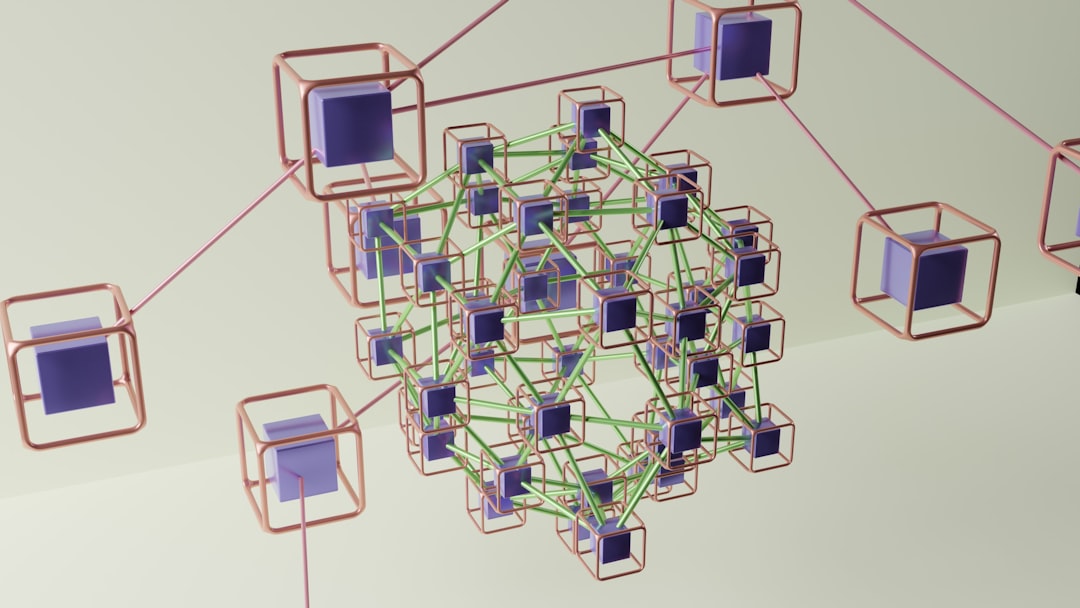
Composable commerce plays a central role in the Eschopper philosophy. Businesses can plug in new features or swap services without dismantling the system. This modularity allows experimentation without destabilizing operations.
For example:
- A company can add subscription billing without rebuilding checkout.
- New payment gateways integrate smoothly into existing workflows.
- International storefronts reuse infrastructure with localized customization.
Scalability becomes a function of flexibility.
Customer Experience as Infrastructure
Many ecommerce businesses treat customer experience as surface-level design. Eschopper treats it as infrastructure.
This means embedding personalization, predictive recommendations, and adaptive pricing into the backbone of the platform. Instead of reacting after customers leave, businesses proactively improve engagement through:
- Behavior-based personalization
- Intelligent product recommendations
- Real-time inventory visibility
- Streamlined checkout flows
When experience is integrated at the system level, the result is not only higher conversion rates but stronger long-term loyalty.
Data as the Strategic Compass
Eschopper distinguishes itself by placing data at the core of commerce strategy. Every click, transaction, and interaction feeds into centralized analytics.
Key advantages include:
- Demand prediction – Reduce stockouts or overproduction.
- Marketing optimization – Allocate budget to highest-performing channels.
- Lifecycle analysis – Understand retention dynamics.
- Operational forecasting – Prepare infrastructure for demand spikes.
With holistic visibility, companies move from reactive to proactive decision-making. Instead of asking, “What happened?” they ask, “What will happen next?”
Scalability Beyond Revenue
True scalability extends beyond sales growth. Eschopper promotes three additional dimensions:
1. Geographic Scalability
Expanding internationally becomes easier with built-in support for multiple currencies, taxation rules, languages, and fulfillment centers.
2. Product Scalability
Whether adding digital goods, physical products, subscriptions, or bundled offerings, the architecture supports diversification.
3. Operational Scalability
As order volume grows, infrastructure handles surges without service disruption. Cloud-based elasticity and performance optimization prevent crashes during peak demand.
Eschopper and the Future of Online Commerce
The ecommerce landscape is becoming more competitive and more complex. Social commerce, AI-driven search, and omnichannel distribution are rewriting consumer expectations. Businesses that rely on outdated, patched-together systems struggle to keep up.
Eschopper prepares companies for:
- AI integration – Automated product tagging, chat assistants, and forecasting
- Omnichannel selling – Unified inventory across marketplaces, apps, and direct channels
- Sustainability tracking – Monitoring environmental impact metrics
- Rapid experimentation – A/B testing at scale
By treating scalability as an architectural principle rather than an emergency response, businesses gain resilience against market volatility.
Who Should Adopt the Eschopper Blueprint?
Eschopper is particularly valuable for:
- Fast-growing startups aiming to avoid technical debt
- Mid-sized retailers transitioning into digital-first operations
- Enterprise brands seeking unified global systems
- Niche ecommerce stores preparing for rapid trend-driven growth
It is not limited to a specific industry. Fashion, consumer electronics, digital products, subscription services, and B2B suppliers can all benefit from scalable design principles.
Implementing Eschopper: A Strategic Approach
Adopting the Eschopper framework requires strategic planning rather than impulsive tool adoption. Steps may include:
- Auditing current systems to identify fragmentation
- Centralizing core data streams
- Automating repetitive workflows
- Optimizing infrastructure for performance
- Establishing scalable governance models
Importantly, the transition does not necessarily require rebuilding from scratch. Many businesses can incrementally align with Eschopper principles through phased upgrades and integration improvements.
Why Eschopper Matters Now
Digital commerce is no longer optional—it is foundational. Consumers expect speed, personalization, reliability, and transparency. Companies that cannot deliver these at scale risk irrelevance.
Eschopper offers more than efficiency. It provides clarity. By aligning systems, data, and experience around scalability, businesses reduce friction internally and externally.
In a world where ecommerce competition intensifies daily, the winners are those who see infrastructure as strategy. Eschopper embodies this mindset—designing online commerce not just to function, but to grow intelligently, sustainably, and confidently.
As commerce continues to evolve, the blueprint for success will favor those who build for tomorrow’s demands today. Eschopper represents that forward-looking architecture—a model where growth does not create chaos, but momentum.