Businesses have always needed reliable ways to monitor vehicles, assets, and personnel. For decades, traditional monitoring methods such as manual logs, radio check-ins, and on-site supervision were the standard. Today, GPS tracking software has transformed how organizations oversee operations, offering real-time visibility and data-driven insights. While both approaches aim to improve accountability and efficiency, the differences between them are substantial and can directly impact cost, productivity, and security.
TLDR: GPS tracking software provides real-time location data, automation, and analytics, while traditional monitoring relies on manual processes and delayed reporting. Modern tracking improves efficiency, accuracy, and decision-making, but may require upfront investment and training. Traditional monitoring can work for smaller operations but often lacks scalability and transparency. Choosing between the two depends on operational size, budget, and technology readiness.
Understanding how these two systems compare helps business owners, fleet managers, and operations leaders make informed decisions about which solution best supports their goals.
What Is GPS Tracking Software?
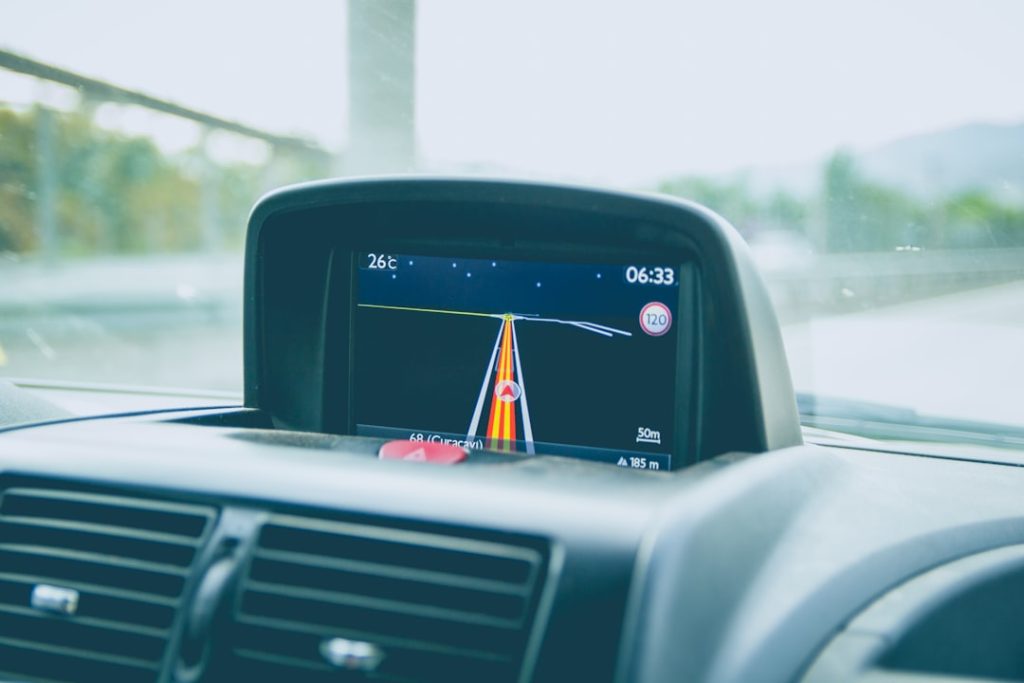
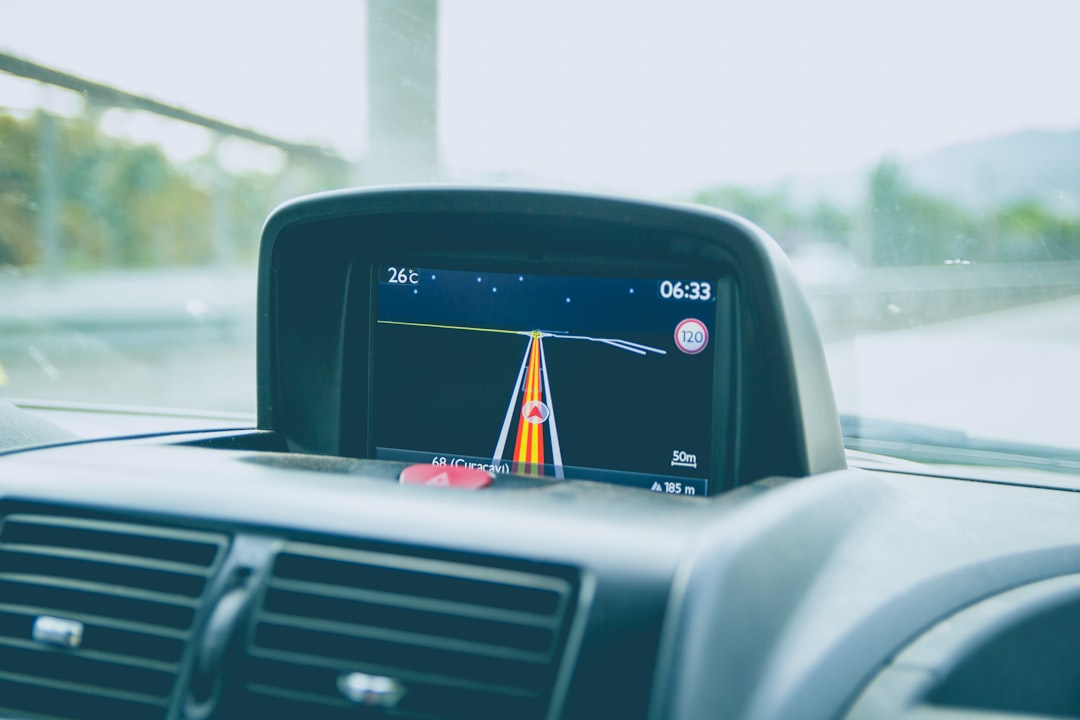
GPS tracking software uses satellite technology combined with mobile networks and cloud-based platforms to monitor the real-time location of vehicles, equipment, or personnel. Devices installed on assets transmit location data to an online dashboard, allowing managers to view movements instantly.
Modern GPS solutions often include more than just mapping. Many platforms offer:
- Real-time location tracking
- Route history and playback
- Geofencing alerts
- Driver behavior monitoring
- Fuel usage reports
- Maintenance scheduling
- Mobile app access
This technology is widely used in industries such as logistics, construction, delivery services, utilities, and field services. The ability to instantly see where assets are located reduces uncertainty and improves response times.
What Is Traditional Monitoring?
Traditional monitoring refers to manual or non-digital methods of oversight. These processes often rely on human reporting, physical supervision, and basic communication tools such as phone calls or two-way radios.
Examples of traditional monitoring methods include:
- Paper-based vehicle logbooks
- Employee timesheets
- Scheduled radio check-ins
- Manual dispatch records
- On-site supervisory inspections

While these approaches have served businesses for decades, they are typically reactive rather than proactive. Information becomes available only after reports are submitted, which can delay problem resolution and decision-making.
Core Differences Between GPS Tracking Software and Traditional Monitoring
1. Real-Time Visibility
The most significant difference lies in visibility. GPS software provides live updates that allow managers to monitor activity as it happens. If a vehicle deviates from its route, an alert can be triggered immediately.
Traditional monitoring, on the other hand, depends on periodic updates. A manager might only discover a delay or issue after a driver calls in or submits a report at the end of the shift.
Impact: Real-time tracking supports faster response times and better customer service.
2. Accuracy and Data Reliability
Manual logs are vulnerable to human error. Entries can be incomplete, inaccurate, or even intentionally altered. GPS tracking removes much of this uncertainty by automatically recording data.
With automated tracking:
- Time stamps are precise
- Routes are digitally recorded
- Mileage is calculated automatically
This improves transparency and reduces disputes related to delivery times, overtime claims, or mileage reimbursements.
3. Efficiency and Productivity
GPS systems optimize routes and provide insights into inefficiencies, such as excessive idling or unauthorized stops. Managers can identify patterns and improve scheduling.
Traditional monitoring often makes optimization difficult because data analysis requires manual compilation. Reviewing stacks of logbooks consumes valuable administrative time.
Result: GPS tracking often leads to measurable productivity gains.
4. Cost Considerations
Traditional monitoring may appear less expensive initially because it does not require advanced hardware or subscriptions. However, hidden costs accumulate through:
- Inefficient fuel usage
- Time lost to manual reporting
- Administrative overhead
- Undetected misuse of vehicles
GPS systems require device installation and software subscriptions. However, many businesses find that fuel savings, reduced overtime, and improved routing offset these expenses over time.
5. Scalability
As organizations grow, traditional monitoring becomes more complex and harder to manage. Adding more vehicles means more paperwork and supervision.
GPS software, by contrast, scales easily. Whether managing five vehicles or five hundred, the dashboard centralizes data into one interface.

6. Compliance and Reporting
In regulated industries, recordkeeping is critical. GPS tracking platforms often generate automated compliance reports, including:
- Hours of service records
- Vehicle inspection documentation
- Maintenance alerts
Traditional systems require manual compilation of these documents, increasing the risk of missing or incomplete records.
Comparison Chart
| Feature | GPS Tracking Software | Traditional Monitoring |
|---|---|---|
| Location Updates | Real-time GPS data | Manual or scheduled updates |
| Accuracy | Automated and precise | Prone to human error |
| Reporting | Instant digital reports | Manual compilation required |
| Scalability | Highly scalable via software | Becomes complex as operations grow |
| Cost Structure | Subscription and hardware investment | Lower upfront cost but higher inefficiencies |
| Data Insights | Advanced analytics and trends | Limited data analysis capability |
Advantages of GPS Tracking Software
- Improved operational visibility
- Enhanced driver accountability
- Reduced fuel costs
- Automated maintenance reminders
- Better customer service through accurate ETAs
- Data-driven business decisions
These benefits make GPS systems particularly valuable for fleet-heavy industries and service-based businesses.
Advantages of Traditional Monitoring
- No technology learning curve
- Minimal upfront investment
- Simplicity for very small teams
For small operations with only one or two vehicles, manual oversight may still be practical. However, limitations appear as soon as operational complexity increases.
Security and Privacy Considerations
Some organizations hesitate to adopt GPS tracking due to privacy concerns. Transparent policies and clear communication with employees can address these issues. Establishing guidelines around tracking during work hours only helps maintain trust.
Traditional monitoring may seem less intrusive, but it also lacks the security benefits of GPS, such as stolen vehicle recovery or emergency location services.
Which Solution Is Right?
The best choice depends on several factors:
- Business size
- Operational complexity
- Regulatory requirements
- Budget constraints
- Need for real-time data
A small local company with limited routes may find traditional monitoring sufficient. A growing logistics provider managing dozens of deliveries per day will likely benefit from the automation and visibility of GPS tracking software.
Ultimately, the shift toward digital monitoring reflects a broader trend in business: leveraging data for smarter decisions. As technology becomes more accessible and affordable, GPS tracking continues to replace manual oversight methods across industries.
Frequently Asked Questions (FAQ)
1. Is GPS tracking software expensive to implement?
Costs vary depending on the provider and features. While there is an upfront investment in devices and subscriptions, many businesses recover costs through fuel savings, improved efficiency, and reduced administrative work.
2. Can small businesses benefit from GPS tracking?
Yes. Even small fleets can improve routing, accountability, and customer service with real-time tracking. However, the return on investment depends on operational scale.
3. Does GPS tracking invade employee privacy?
When implemented transparently and limited to work-related activities, GPS tracking can balance operational needs with employee privacy. Clear policies are essential.
4. What happens if GPS signal is lost?
Most modern tracking devices store data locally when signal is lost and upload it once connectivity is restored, ensuring minimal data gaps.
5. Is traditional monitoring still relevant today?
It can be suitable for very small operations or temporary projects. However, for growing businesses seeking efficiency and accountability, digital tracking solutions typically offer substantial advantages.
6. How secure is GPS tracking data?
Reputable providers use encryption and secure cloud storage to protect data. Businesses should evaluate security features when choosing a platform.
By understanding the differences between GPS tracking software and traditional monitoring, organizations can choose a system that aligns with their operational goals, budget, and long-term growth strategy.