
Email remains one of the most dependable channels for building customer relationships, increasing repeat purchases, and communicating important updates. Unlike social media audiences, an email list is an owned asset: you can segment it, personalize messages, and measure performance with precision. Choosing the right software for email marketing, templates, and subscriber management is therefore a strategic decision, not just a technical one.
TLDR: The best email marketing software combines reliable deliverability, easy-to-edit templates, strong automation, and clear subscriber management. For most organizations, the right choice depends on list size, budget, ecommerce needs, and how advanced your segmentation should be. Platforms such as Mailchimp, ActiveCampaign, HubSpot, Brevo, Klaviyo, ConvertKit, and Campaign Monitor each serve different types of businesses well. Prioritize compliance, reporting, and long-term scalability before choosing a tool.
What Makes Email Marketing Software “Best”?
The best platform is not necessarily the one with the longest feature list. It is the one that helps your team send relevant messages consistently, protect subscriber trust, and turn campaigns into measurable results. A serious evaluation should focus on deliverability, template quality, automation, subscriber segmentation, analytics, and compliance controls.
Good email software should make it easy to create newsletters, promotional campaigns, welcome sequences, abandoned cart reminders, product updates, and re-engagement campaigns. It should also provide clean contact records, consent tracking, unsubscribe management, and performance reporting. These fundamentals matter more than decorative features.
Key Features to Look For
Before comparing specific platforms, it is useful to define the features that matter most. The strongest tools usually include the following:
- Drag-and-drop email templates: A visual editor allows teams to build professional emails without coding.
- Responsive design: Templates should display correctly on desktop, tablet, and mobile devices.
- Subscriber segmentation: You should be able to group contacts by behavior, interests, purchase history, location, or engagement level.
- Automation workflows: Automated sequences save time and help deliver the right message at the right moment.
- A/B testing: Testing subject lines, content, and calls to action helps improve conversion rates.
- Deliverability tools: Authentication support, bounce handling, and spam-risk guidance are essential.
- Compliance features: Look for GDPR, CAN-SPAM, consent forms, unsubscribe links, and data management controls.
- Reporting and attribution: Clear metrics help you understand revenue impact, engagement, and list health.
Mailchimp: Best for Small Businesses and Beginners
Mailchimp is one of the most recognizable email marketing platforms, and for good reason. It offers an approachable interface, a large template library, basic automation tools, landing pages, forms, and audience management features. For small businesses, startups, and teams that want to launch quickly, Mailchimp is often a practical starting point.
Its email builder is easy to use, and its templates are suitable for newsletters, announcements, event invitations, and promotional emails. The platform also provides audience tags and segments, which are helpful for separating subscribers by interests or behavior. However, businesses with highly complex automation requirements may eventually find Mailchimp less flexible than more advanced alternatives.
Best for: small businesses, local services, nonprofits, and teams new to email marketing.
Consider carefully: pricing can increase as your audience grows, and advanced automation may require a higher-tier plan.
ActiveCampaign: Best for Advanced Automation
ActiveCampaign is widely respected for its powerful automation capabilities. It combines email marketing, CRM functionality, lead scoring, segmentation, and customer journey automation. If your business needs sophisticated workflows based on subscriber actions, purchase patterns, website visits, or sales activity, ActiveCampaign is a strong contender.
The platform is particularly useful for companies that want to move beyond simple newsletters. For example, you can create workflows that welcome new subscribers, score leads based on engagement, notify sales teams, send follow-up emails, and trigger different paths depending on user behavior. This makes it valuable for B2B companies, service providers, SaaS businesses, and high-consideration sales funnels.
Best for: businesses that need advanced segmentation, automation, and CRM-connected campaigns.
Consider carefully: the learning curve is higher than beginner-focused tools, so teams should be prepared to invest time in setup and optimization.
HubSpot: Best for CRM and Marketing Integration
HubSpot is more than an email marketing tool. It is a full customer platform that includes CRM, marketing automation, sales tools, service tools, landing pages, forms, reporting, and content management features. For companies that want email marketing connected to a broader customer database, HubSpot is one of the strongest options.
Its main advantage is centralization. Sales and marketing teams can work from the same contact records, view engagement history, and build campaigns based on lifecycle stage, lead source, company size, or previous interactions. Email templates are professional, and the editor is accessible for non-technical users.
Best for: B2B companies, growing teams, sales-led organizations, and businesses that want CRM and marketing data in one place.
Consider carefully: HubSpot can become expensive as needs expand, especially when advanced automation and reporting features are required.
Brevo: Best for Budget-Conscious Teams
Brevo, formerly known as Sendinblue, is a practical and cost-conscious platform for email campaigns, SMS marketing, automation, transactional emails, and contact management. It is especially appealing to businesses that want useful marketing features without immediately committing to high monthly costs.
One of Brevo’s strengths is that pricing often focuses on email volume rather than simply the number of contacts. This can be beneficial for organizations with larger lists that do not email every subscriber frequently. The platform includes email templates, segmentation, workflow automation, signup forms, and basic CRM features.
Best for: small to medium-sized businesses, budget-conscious marketers, and teams that also need SMS or transactional email capabilities.
Consider carefully: some advanced design, reporting, and automation features may not feel as polished as those in premium platforms.
Klaviyo: Best for Ecommerce Brands
Klaviyo is one of the leading email and SMS marketing platforms for ecommerce businesses. It integrates strongly with ecommerce systems and allows brands to use customer behavior, order history, browsing activity, product interest, and lifetime value to create highly targeted campaigns.
For online stores, this level of data access is extremely valuable. Klaviyo supports abandoned cart emails, post-purchase follow-ups, win-back campaigns, product recommendations, replenishment reminders, VIP customer flows, and review requests. Its templates are ecommerce-friendly, and its reporting can connect campaigns directly to revenue.
Best for: ecommerce brands, direct-to-consumer companies, and retailers that need revenue-focused segmentation.
Consider carefully: Klaviyo’s power is most valuable when your store has enough customer and purchase data to support meaningful personalization.
ConvertKit: Best for Creators and Independent Publishers
ConvertKit is built with creators in mind, including writers, coaches, podcasters, educators, musicians, and independent publishers. Its strength lies in simple subscriber management, clean automation, landing pages, signup forms, and creator-friendly monetization tools.
Unlike platforms focused heavily on visual promotional emails, ConvertKit often emphasizes plain-text or minimal-design emails that feel personal and direct. This can be effective for creators whose audiences expect a more conversational style. Tags and segments make it easy to organize subscribers by interests, products purchased, lead magnets downloaded, or content preferences.
Best for: creators, newsletter writers, consultants, online educators, and personal brands.
Consider carefully: businesses requiring highly visual email designs or complex ecommerce reporting may prefer another platform.
Campaign Monitor: Best for Polished Templates
Campaign Monitor is known for elegant email templates and a straightforward user experience. It is a strong choice for teams that place a high value on design quality, brand consistency, and professional-looking campaigns. Agencies, media teams, and service businesses often appreciate its clean interface and reliable campaign tools.
The platform includes drag-and-drop editing, personalization, segmentation, automation journeys, transactional email options, and analytics. While it may not be the most advanced automation platform on the market, it performs well for organizations that need attractive emails, dependable sending, and uncomplicated campaign management.
Best for: design-conscious brands, agencies, publishers, and organizations that want polished newsletters.
Consider carefully: if deep behavioral automation is a priority, compare it carefully with more automation-heavy platforms.
How to Evaluate Email Templates
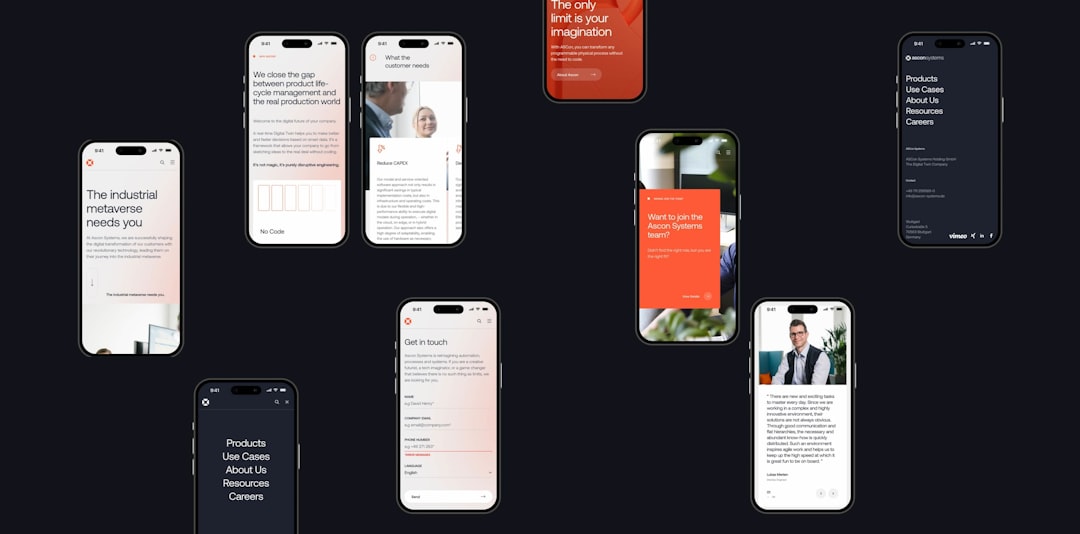
Email templates should do more than look attractive. A strong template must support readability, accessibility, deliverability, and conversion. Overly complicated layouts can distract readers or display poorly across devices. The best templates are clean, responsive, and aligned with the purpose of the message.
When reviewing a platform’s template library, consider the following:
- Mobile performance: Most subscribers will read at least some emails on mobile devices.
- Brand flexibility: You should be able to adjust colors, fonts, spacing, logos, and layouts.
- Accessibility: Templates should support readable font sizes, contrast, alt text, and logical structure.
- Content blocks: Reusable sections can speed up production and maintain consistency.
- Load speed: Heavy image-based emails may reduce performance and increase spam risk.
A trustworthy email design should guide readers toward one clear action. Whether the goal is reading an article, purchasing a product, registering for a webinar, or confirming an appointment, the template should support that goal without unnecessary clutter.
Subscriber Management: The Foundation of Performance
Subscriber management is often less visible than template design, but it is more important over time. A healthy list contains people who have given permission, understand what they are receiving, and remain engaged. Poor list hygiene leads to low open rates, spam complaints, deliverability problems, and wasted budget.
Reliable subscriber management includes clear opt-in forms, preference centers, automatic unsubscribe handling, bounce management, and engagement tracking. The platform should make it easy to identify inactive subscribers, suppress risky contacts, and avoid emailing people who have withdrawn consent.
Quality is more important than list size. A smaller list of engaged subscribers is far more valuable than a large list of uninterested contacts. Serious email marketers regularly clean their lists, monitor engagement, and respect subscriber preferences.
Deliverability and Compliance Should Not Be Optional
Email marketing depends on trust. If your messages do not reach inboxes, or if subscribers feel misled, your campaigns will fail regardless of how attractive the design looks. Strong software should support domain authentication, including SPF, DKIM, and DMARC guidance. It should also provide bounce processing, complaint tracking, unsubscribe management, and spam-risk warnings.
Compliance is equally important. Businesses should understand the legal obligations that apply to their audience, including GDPR, CAN-SPAM, CASL, and other regional privacy regulations. Your platform should help document consent, provide unsubscribe links, manage data requests, and avoid sending to contacts who should not receive marketing messages.
Choosing the Right Platform for Your Use Case
There is no single best email marketing platform for every organization. The right choice depends on your business model, technical maturity, audience size, internal resources, and revenue goals.
- Choose Mailchimp if you want a beginner-friendly platform with broad general-purpose features.
- Choose ActiveCampaign if automation, lead nurturing, and behavioral segmentation are priorities.
- Choose HubSpot if email should be tightly integrated with CRM, sales, and lifecycle marketing.
- Choose Brevo if you need affordable email volume, SMS options, and practical campaign tools.
- Choose Klaviyo if you run an ecommerce brand and need revenue-based segmentation.
- Choose ConvertKit if you are a creator, writer, coach, or independent publisher.
- Choose Campaign Monitor if polished templates and straightforward campaign creation matter most.
Final Recommendation
The best software for email marketing, templates, and subscriber management is the one that supports your strategy today while giving you room to grow. Do not choose based only on price or popularity. Instead, evaluate how well each platform helps you manage consent, segment subscribers, design effective emails, automate timely communication, and measure meaningful outcomes.
For most businesses, the safest approach is to shortlist two or three platforms, test their editors and automation builders, import a small sample of contacts, and compare reporting clarity. Email marketing is a long-term discipline. A serious, trustworthy platform should help you communicate with respect, protect your sender reputation, and build stronger relationships with every campaign you send.