

Retirement no longer means stepping away from visibility, expertise, or meaningful connections. Many retired professionals continue to consult, mentor, volunteer, serve on boards, teach workshops, travel, network, or build small passion projects. A well-designed retiree business card gives them a polished way to introduce themselves, share contact details, and communicate the next chapter of their professional identity.
TLDR: Retiree business cards help retired professionals stay connected, credible, and memorable without implying they are still working full time. The best designs balance professionalism with personality, using clear contact details, elegant typography, and a title that reflects current activities such as consultant, mentor, advisor, volunteer, or speaker. Retirees can choose classic, modern, creative, or hobby-inspired layouts depending on how they want to be remembered.
Why Retired Professionals Still Need Business Cards
Business cards remain useful because they provide a simple, tangible way to exchange information. While digital profiles and smartphones are common, a printed card still feels intentional. Retired professionals may attend community events, alumni gatherings, professional association meetings, charity functions, conferences, local business groups, or social clubs. In those settings, a card can communicate experience and availability in seconds.
A retiree business card is not always about selling a service. It may be about keeping doors open. A former executive may want to sit on advisory boards. A retired teacher may offer tutoring or speak at education events. A retired engineer may consult part time. A former healthcare professional may volunteer with nonprofit organizations. In each case, the card becomes a bridge between past accomplishments and current interests.
Instead of saying, “I used to be,” a thoughtful card says, “This is how this person contributes now.”
Choosing the Right Title
One of the most important design decisions is the title. Retired professionals often hesitate to place “retired” too prominently, especially if they remain active. The title should feel accurate, dignified, and aligned with how the person wants to be contacted.
Useful title ideas include:
- Retired Executive
- Independent Consultant
- Senior Advisor
- Board Member
- Mentor
- Community Volunteer
- Speaker and Workshop Leader
- Former Attorney, Retired Educator, or Retired Physician
- Writer, Artist, Coach, or Genealogist
Some retired professionals prefer a softer descriptor, such as “Retired, but still sharing experience” or “Available for select advisory projects.” Others may keep the card minimal and use only a name, phone number, email address, and personal website.
Classic and Elegant Business Card Designs
For retired professionals with backgrounds in law, finance, medicine, academia, government, or corporate leadership, a classic design often works best. These cards usually rely on clean typography, generous white space, and restrained color palettes. Navy, charcoal, cream, deep green, black, and burgundy can all suggest maturity, reliability, and refinement.
A classic retiree business card might include the person’s name in a serif font, a concise title underneath, and contact details arranged neatly at the bottom. A subtle line, monogram, or small emblem can add distinction without making the card look crowded.
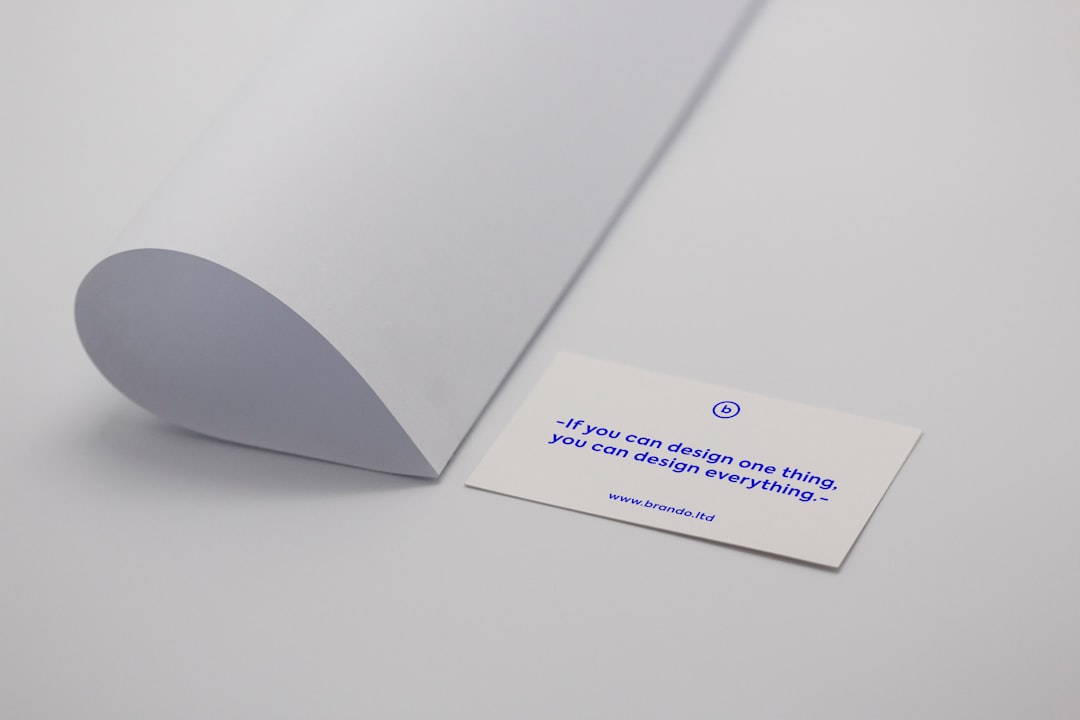
For example, a retired judge, professor, or financial planner may benefit from a card that feels formal and trustworthy. The design does not need excessive decoration. In many cases, simplicity conveys authority. Quality paper stock, embossed details, or a soft matte finish can make the card feel more substantial.
Modern Minimalist Cards
Some retirees prefer a more contemporary look, especially those who remain involved in consulting, technology, entrepreneurship, nonprofit leadership, or creative strategy. A minimalist business card can feel fresh without appearing casual. These designs often use sans serif fonts, a two-color palette, and strong alignment.
Modern retiree cards may feature:
- A large name with a small professional descriptor
- A bold accent color such as teal, rust, cobalt, or gold
- A QR code linking to a website, portfolio, or professional profile
- A clean icon for phone, email, and location
- A vertical or square layout for a memorable format
A retired professional who offers freelance consulting or mentoring may use a minimalist card to show that their experience is current, adaptable, and relevant. The design should avoid clutter and prioritize readability, especially for audiences who may quickly scan the card at events.
Creative Cards for Passion Projects
Retirement often creates space for long-postponed interests. Some former professionals become authors, painters, photographers, gardeners, musicians, travel planners, antique dealers, or local historians. In these cases, the business card can express personality and creativity more openly.
A retired architect who now paints landscapes may choose a card with watercolor texture. A former marketing director who writes novels may include a book-themed illustration. A retired chef who teaches cooking classes may use warm colors and tasteful food imagery. A retired engineer who restores vintage cars may include a small line drawing of a classic automobile.

The key is balance. A creative retiree business card should still be easy to read and professionally printed. Decorative elements should support the message rather than overpower it. Personality is valuable, but clarity is essential.
Cards for Consultants and Advisors
Many retired professionals continue to offer their expertise on a limited basis. Consultants, advisors, coaches, and mentors need business cards that communicate credibility and availability. These cards should clearly state the field of expertise, but they do not need to include a long list of accomplishments.
Effective phrases might include:
- Leadership Development Consultant
- Healthcare Operations Advisor
- Nonprofit Governance Mentor
- Small Business Strategy Consultant
- Retired CFO, Available for Advisory Projects
A short tagline can help clarify value. For instance, “Helping family businesses plan leadership transitions” or “Guidance for nonprofit boards and executive teams” tells recipients why they might follow up. The back of the card can include three brief areas of expertise, such as strategy, governance, and mentorship.
Volunteer and Community Service Cards
Retirees who devote time to community service may also benefit from personal cards. These cards can help them connect with donors, organizers, school groups, local officials, and fellow volunteers. A community-focused card can feel warm and approachable while still looking organized.
Design elements such as soft colors, simple icons, or nature-inspired accents may work well. The card might mention volunteer roles, committee memberships, or causes supported. For privacy reasons, some retirees may prefer to list an email address only, rather than a home address or personal phone number.
A retired professional active in civic life might include:
- Name
- Community role or volunteer title
- Email address
- Phone number, if appropriate
- Organization name, if officially permitted
- Website or social profile for a nonprofit project
What Information Should Be Included?
A retiree business card should be concise. Too much information can make it difficult to read and less visually appealing. The most important items are the name, preferred title, and contact method.
Common details include:
- Full name
- Current professional identity or role
- Email address
- Phone number
- Website, blog, portfolio, or professional profile
- City and state, if location is relevant
- QR code, if digital follow-up is useful
Retirees should avoid including unnecessary personal information. A home address is rarely needed unless the card is specifically for a local service or home-based business. If privacy is a concern, a dedicated email address and a mobile number used for professional or volunteer communication can be safer choices.
Typography, Color, and Layout Tips
Readability matters more than decoration. Many recipients may be older peers, event hosts, or professional contacts who appreciate clear text. Font size should not be too small, and there should be sufficient contrast between text and background.
Good design practices include:
- Using one or two fonts rather than several competing styles
- Choosing high-contrast color combinations
- Leaving enough white space around the text
- Keeping the card uncluttered
- Using both sides of the card thoughtfully
- Making the name the strongest visual element
Serif fonts often feel traditional and distinguished, while sans serif fonts feel modern and direct. Script fonts can be elegant, but they should be used sparingly because they may reduce readability. Metallic accents, textured backgrounds, and monograms can add polish when handled with restraint.
Using the Back of the Card
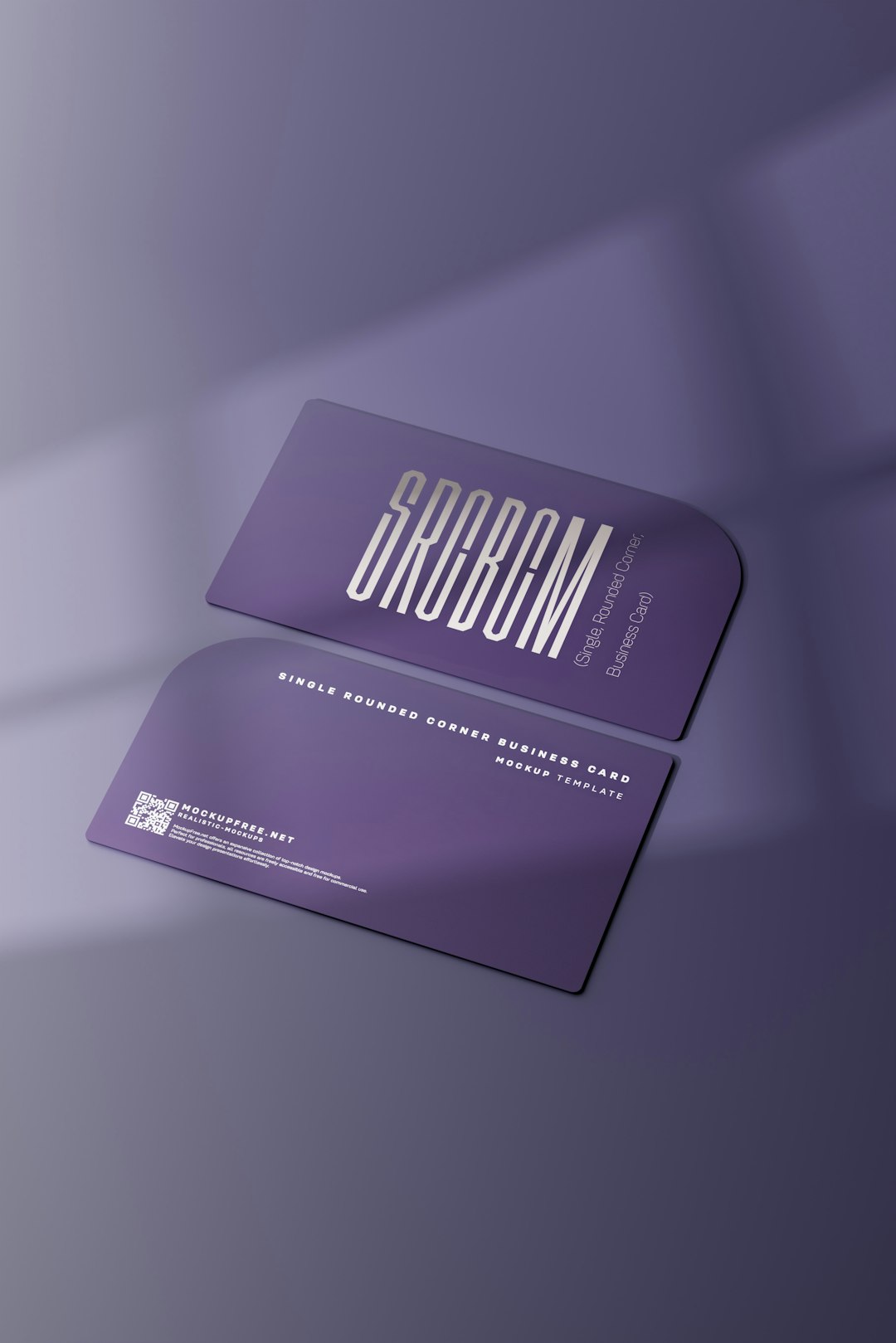
The back of a retiree business card can serve several purposes. For consultants, it can list specialties. For speakers, it can mention topics. For authors, it can show a book title or website. For volunteers, it can display a mission statement or cause. A retired professional who prefers a very elegant card may leave the back blank, which can also create space for writing a personal note.
Strong back-of-card ideas include:
- A short tagline
- Three areas of expertise
- A QR code
- A personal motto
- A small photo, illustration, or monogram
- A list of services offered on a limited basis
The best approach depends on the card’s purpose. If the goal is networking, a QR code may be useful. If the goal is personal introduction, a blank back can feel more refined.
Should Retiree Cards Include a Photo?
A photo can be helpful when the retiree attends many events and wants to be remembered. It may be especially useful for speakers, coaches, authors, real estate advisors, or community leaders. However, a photo is not required. Some professionals prefer a timeless monogram or logo instead.
If a photo is used, it should be current, well lit, and professionally composed. Casual snapshots, busy backgrounds, or outdated portraits can weaken an otherwise strong design. The photo should support trust and recognition, not dominate the entire card.
Paper and Print Finishes
Physical quality affects perception. A retiree business card printed on flimsy paper may feel less professional, even if the design is attractive. Heavier cardstock, matte finishes, linen textures, soft-touch coating, or subtle embossing can create a premium impression.
Finishes should match the individual’s identity. A retired corporate leader might choose thick matte stock with understated foil. A retired artist may choose textured paper that complements a creative design. A nonprofit volunteer may choose recycled paper to reflect environmental or community values.
Common Mistakes to Avoid
Retired professionals should avoid designing cards that feel either outdated or overly busy. The goal is not to recreate an old corporate card from decades past, nor to fill every inch with text. A card should feel relevant, legible, and intentional.
Common mistakes include:
- Using tiny fonts that are difficult to read
- Including too many phone numbers or addresses
- Choosing low-contrast colors
- Using clip art that looks generic
- Listing former titles in a confusing way
- Forgetting to explain current availability or purpose
If a retiree once held a prestigious position, it can be mentioned carefully. For example, “Former Vice President of Operations” may be useful for consulting. However, if the card is for a hobby or volunteer role, the former title may not be necessary.
Final Thoughts
A retiree business card is more than a contact card. It is a small statement of identity, purpose, and continued connection. Whether the retired professional is consulting, volunteering, writing, teaching, mentoring, or simply staying socially active, the right card helps others understand how to reach them and why their experience still matters.
The most effective designs combine clarity, personality, and professional polish. Retirement may close one formal career chapter, but a business card can help open the next one with confidence and style.
FAQ
Should a retired professional put “retired” on a business card?
It depends on the purpose of the card. If retirement status is relevant, phrases such as Retired Executive, Retired Educator, or Retired Physician can be useful. If the card is for consulting, volunteering, or a hobby business, a current role may be more effective.
What title works best for a retiree who still consults?
Titles such as Independent Consultant, Senior Advisor, Strategic Consultant, or Mentor usually work well. The best title should clearly describe the type of help the retiree provides.
Should a retiree include a home address?
In most cases, a home address is not necessary. An email address, phone number, website, or city and state are usually enough. Retirees who value privacy may prefer a dedicated professional email address.
Are QR codes appropriate on retiree business cards?
Yes, if they serve a clear purpose. A QR code can link to a professional profile, personal website, portfolio, book page, or consulting information. It should not make the card look crowded.
What design style is best for retired professionals?
The best style depends on the retiree’s goals. Classic designs suit formal advisory roles, minimalist designs work well for consultants, and creative designs are ideal for hobbies, writing, art, or passion projects.
How many business cards should a retiree order?
A small batch is often enough at first, especially if the retiree is testing a new role or design. Once the information and layout feel right, a larger order may be practical for events and ongoing networking.