

Control what ranks for your brand name before someone else does. Search Engine Reputation Management, or SERM, is the practice of shaping the results people see when they search for your company, products, executives, or key services. It is not about hiding the truth. It is about making sure accurate, useful, and current information wins more space than rumors, stale pages, weak profiles, or angry one-off posts.
TLDR: SERM helps brands protect revenue by improving what appears on page one of Google for branded searches. If 8 of the top 10 results are positive or neutral, buyers are far less likely to be scared off by one bad review. For example, a local software firm that raised its average review score from 3.6 to 4.3 and added three strong comparison pages saw branded demo requests rise by 18% in two months. The goal is simple: make the search results look as trustworthy as the brand wants to be.
Why search reputation matters so much
People trust search results more than most ads. Before they buy, apply, invest, book, or call, they search. A single negative headline can slow deals. A low review score can push customers to a rival. A thin brand presence can make a real company look oddly suspicious.
This is why SERM is not just a PR task. It touches SEO, customer service, content, legal, HR, sales, and brand strategy. Search is often the first page of your public record. If that page looks messy, people make quick judgments.
Honestly, it feels like some brands only care after a crisis hits. By then, every update takes longer. Strong pages need time to rank. Reviews need time to grow. Trust is not built in a panic on a Friday afternoon.

Start with a branded search audit
Before fixing anything, document what already appears. Search your brand name, product names, senior leaders, and common phrases like “brand name reviews”, “brand name complaints”, and “brand name pricing”.
Track the first two pages, but focus hardest on page one. Most users never go past it. For each result, label it as:
- Positive: strong reviews, useful articles, awards, trusted profiles, case studies.
- Neutral: directories, databases, old social pages, simple company listings.
- Negative: harsh reviews, complaint pages, bad press, forum threads, misleading posts.
- Owned: your website, blog, newsroom, social profiles, help center.
- Third party: media, review sites, comparison sites, communities, partners.
Also check what appears in Google features. These include the knowledge panel, image results, video results, map listings, “People also ask,” review snippets, and autocomplete suggestions. These areas can shape opinion before a user even clicks.
Build stronger owned assets
Your own content should be the backbone of your search presence. A brand with only a homepage and a few social pages leaves too much space open for others. Build useful pages that deserve to rank.
Key assets include:
- An optimized About page with clear facts, history, leadership, locations, and contact details.
- A newsroom or media page with press releases, media mentions, images, and brand facts.
- Product and service pages that answer common buyer questions in plain language.
- Case studies showing real outcomes, numbers, and customer use cases.
- Review and testimonial pages that collect approved social proof in one place.
- Executive profile pages for founders, partners, doctors, consultants, or public leaders.
Use clean titles, meta descriptions, internal links, author details, and schema markup. Keep pages updated. A press page last touched in 2021 sends the wrong signal.
Improve review visibility without gaming the system
Reviews are one of the sharpest parts of SERM. They affect local rankings, click-through rates, and buyer confidence. A 4.6 rating with recent, detailed reviews can beat a slick ad campaign.
Ask happy customers for reviews at the right moment. That might be after delivery, onboarding, a support win, or a renewal. Keep the request short. Give direct links. Do not offer rewards for positive reviews. That can violate platform rules and damage trust.
Reply to reviews with care. Thank positive reviewers. For negative reviews, stay calm. Name the issue, show concern, and invite the person to a private support channel. Never argue in public. It almost always looks worse for the brand.
The catch is that review tools can be clunky. Some make a basic export take 20 seconds longer than it should, then bury filters behind tiny menus. Still, the work matters. Slow software is annoying. A weak review profile is worse.

Create content that pushes weak results down
SERM often means earning stronger rankings for better pages. You cannot simply “delete” every negative result. In many cases, the best option is to outrank it with credible content.
Useful content types include:
- Comparison pages: Explain how your product compares with common alternatives.
- FAQ pages: Answer pricing, safety, refund, shipping, and support concerns.
- Thought leadership: Publish practical views from leaders, not vague slogans.
- Data reports: Share original research, survey results, or industry benchmarks.
- Video content: Use YouTube for demos, explainers, interviews, and customer stories.
Do not publish fluff. Thin content rarely beats a strong forum thread or news article. Search engines reward pages that satisfy intent. If users search “brand name scam”, a glossy company story will not help much. A clear trust and safety page, refund policy, support process, and verified review profile may perform better.
Use PR and third-party proof
Owned content is useful, but third-party validation adds weight. Media mentions, podcast interviews, industry directories, guest articles, awards, partner pages, and analyst listings can all rank for branded terms.
Choose quality over volume. One strong trade publication can be worth more than 30 low-grade press release reposts. Aim for sources your buyers already trust. Keep profiles consistent across platforms. Use the same company name, description, address, logo, and links wherever possible.
Handle negative results the right way
Not every negative result deserves the same response. First, check if it is true, false, outdated, or unlawful. Then choose the right path.
- If it is true: fix the root issue, publish updates, and respond with facts.
- If it is outdated: ask the publisher to update the page or add context.
- If it is false: request a correction with clear evidence.
- If it violates policies: report it to the platform with screenshots and links.
- If it is legally risky: involve legal counsel before making public claims.
Avoid fake reviews, fake profiles, mass link schemes, and threats. They may create a short bump, then cause a bigger mess. Search engines and review platforms are better at spotting manipulation than many teams think.
Monitor results every week
SERM is not a one-time cleanup. Set up alerts for brand names, product names, executives, and common complaint phrases. Track ranking changes, review volume, review score, sentiment, branded click-through rate, and traffic to key reputation pages.
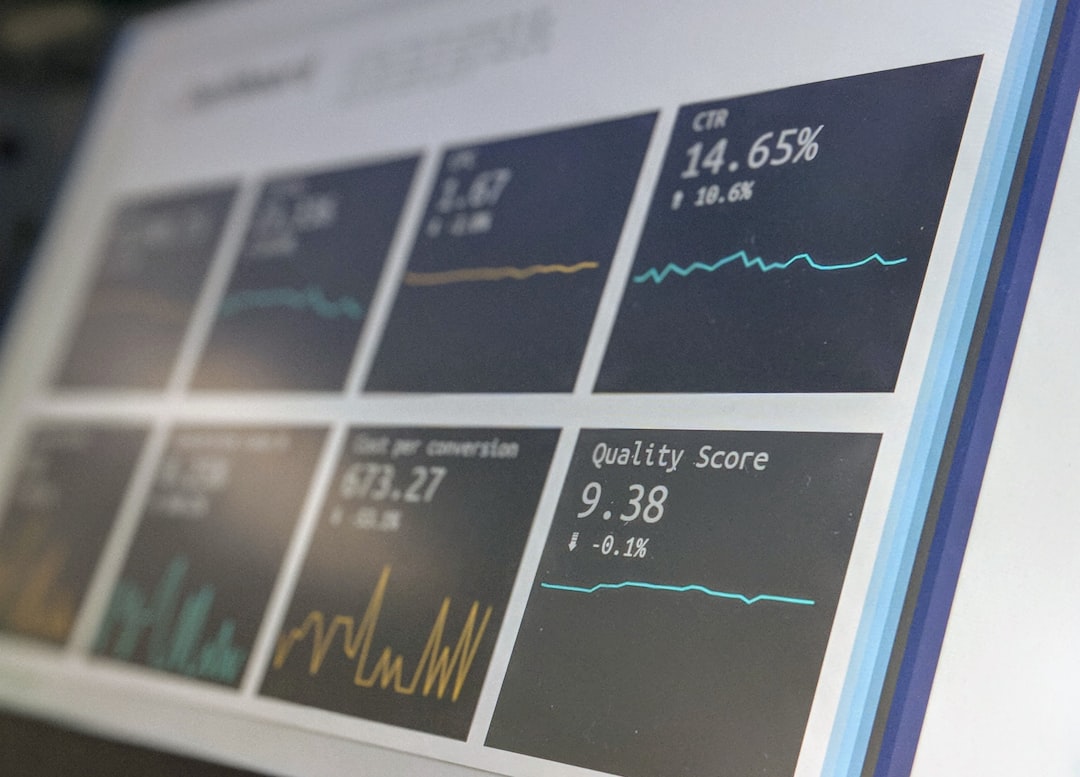
A simple monthly scorecard can include:
- Top 10 branded results and their sentiment.
- Average review rating across major platforms.
- Number of new reviews gained.
- Number of negative mentions resolved or answered.
- Traffic and conversions from branded searches.
Make search reputation part of daily operations
The strongest SERM programs start inside the business. Better support creates better reviews. Clear policies reduce complaints. Good content answers questions before frustration builds. Smart PR gives search engines trusted sources to rank.
Protecting search presence is really about reducing doubt. When buyers see accurate pages, current reviews, helpful answers, and credible third-party proof, they feel safer. That safety turns into clicks, calls, signups, and sales. Brands that treat search results as a public trust channel will be in a much stronger position when praise, criticism, or crisis appears.