

Internet of Things devices pose risk because they connect the physical world to the internet, often with weak security, limited updates, and poor visibility. A smart camera, badge reader, thermostat, medical sensor, or factory controller can become a doorway into a wider network. The most serious danger is not just the device itself. It is what that device can expose, disrupt, or help an attacker reach.
TLDR: IoT devices create security gaps when they ship with weak passwords, outdated firmware, exposed cloud dashboards, or unsecured data flows. One compromised camera can give an attacker a foothold inside a company network, especially if it sits on the same segment as laptops or servers. In one realistic office case, 40 smart cameras with default settings could turn a minor setup shortcut into dozens of entry points. A strong IoT security plan should cover inventory, patching, segmentation, encryption, and vendor review.
Why IoT Risk Is Different
IoT risk feels messy because these devices are everywhere and often forgotten. They sit on ceilings, walls, factory floors, trucks, patient rooms, and kitchen counters. Many do one simple job, so people assume they are harmless. That assumption causes trouble.
Unlike laptops, many IoT devices have limited security tools. Some cannot run antivirus software. Some have tiny processors. Some receive patches late, or never. Honestly, it feels like some products were designed to be installed quickly, then ignored for five years. Attackers know this.
Below are the 7 major IoT security risks most organizations and households should watch.
1. Weak or Default Passwords
Default passwords are still one of the biggest IoT security risks. Many devices ship with simple credentials such as admin and password. Others use predictable login details printed in a manual or reused across product lines.
This sounds basic, but it keeps working for attackers. If a device faces the internet, automated bots can find it and try common passwords within minutes. Once inside, attackers may view video feeds, change settings, or add the device to a botnet.
- Common targets: cameras, routers, smart locks, DVRs, printers.
- Main impact: unauthorized access, spying, botnet infection.
- Best defense: unique passwords and multi factor authentication when available.
2. Outdated Firmware and Poor Patch Support
Firmware is the software that runs inside IoT hardware. If it has a flaw, the vendor must issue an update. The problem is that many devices are hard to patch, and some vendors stop support too soon.
It drives security teams crazy that a patch may require a manual login to every device, one at a time. A task that should take seconds can take hours across a large site. That delay gives attackers time to exploit known flaws.
Unpatched IoT devices can expose remote access bugs, authentication flaws, and unsafe services. Old firmware is especially risky in hospitals, factories, and schools, where devices may stay in use long after normal support ends.
3. Poor Network Segmentation
One of the worst mistakes is placing IoT devices on the same network as sensitive systems. A smart TV should not share open access with accounting servers. A badge reader should not sit beside source code repositories with no controls between them.
Network segmentation limits damage. If an attacker compromises a camera, that attacker should not be able to scan the whole company network. Segmentation uses separate networks, firewall rules, access controls, and monitoring to contain trouble.
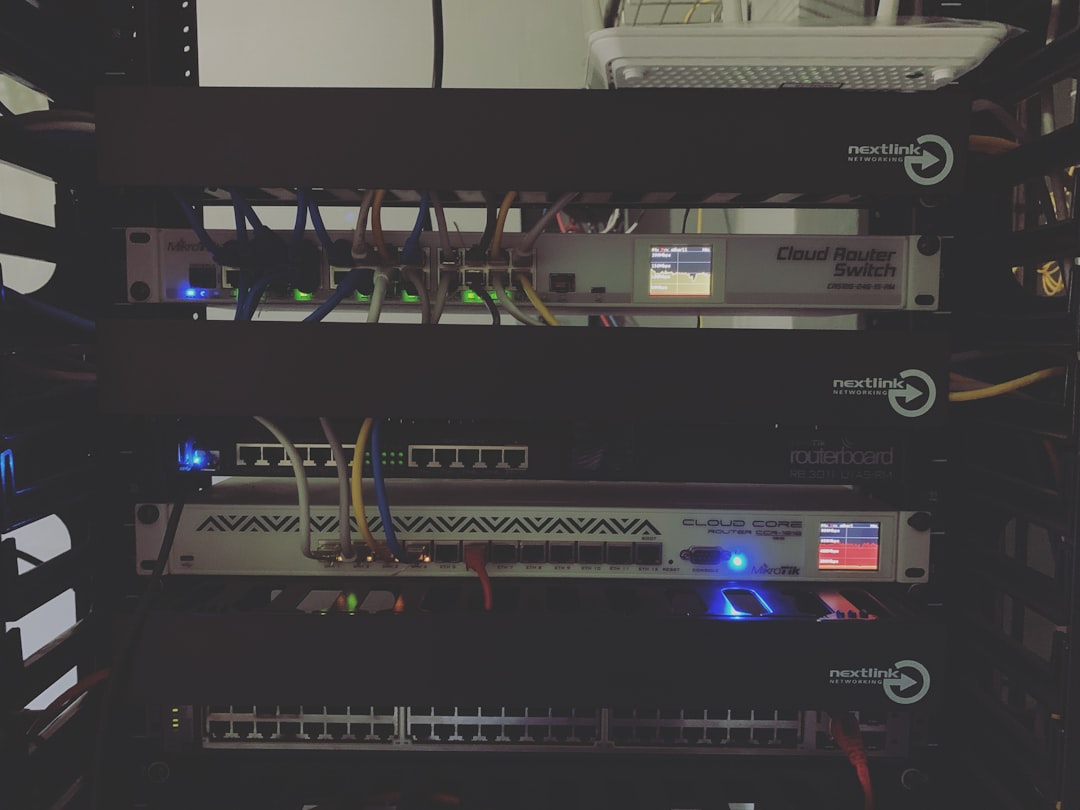
Example: A retailer may place point of sale systems, guest Wi Fi, security cameras, and office laptops on separate network zones. If the camera system fails, payment systems remain better protected.
4. Insecure Data Collection and Privacy Exposure
IoT devices collect data constantly. They may record movement, location, voice, health readings, energy use, production metrics, or video. Some of this data is deeply sensitive.
The risk grows when data is stored without encryption, sent over weak connections, or shared with third parties without clear controls. A fitness tracker can reveal routines. A smart speaker can capture household behavior. A connected medical device can expose private health data.
Privacy risk is not limited to hackers. Vendors may collect more data than needed. Employees may access dashboards they should not see. Cloud storage may keep records longer than expected.
5. Insecure APIs and Cloud Services
Many IoT devices depend on cloud platforms and APIs. An app talks to a cloud service. The cloud service talks to the device. If that chain is weak, the device becomes exposed even if the home or office network seems safe.
API flaws can allow attackers to reset devices, view other users’ data, or control hardware remotely. Weak access tokens, poor session handling, and broken authorization are common issues. The device may look simple, but the cloud system behind it can be complex.
- Risk sign: device control works from anywhere, but security settings are thin.
- Risk sign: the vendor gives little detail about encryption or account protection.
- Risk sign: old app versions still work without forced updates.
6. Physical Tampering and Device Theft
IoT hardware often sits in public or semi public spaces. Door controllers, sensors, kiosks, cameras, and industrial monitors may be reachable by staff, visitors, or contractors. If a device can be touched, it may be tampered with.
An attacker may remove storage, connect to debug ports, reset the device, or replace it with a lookalike. Some devices store keys, certificates, or logs locally. If those are not protected, physical access becomes digital access.
Businesses should treat exposed IoT hardware like any other security asset. Locked cases, tamper alerts, asset tags, and routine inspections help reduce risk.
7. Botnets and Large Scale Attacks
Compromised IoT devices are often used in botnets. A botnet is a group of infected devices controlled by an attacker. Each device may seem small, but thousands of them can create huge attack traffic.
Botnets can launch distributed denial of service attacks, send spam, mine cryptocurrency, or scan for more victims. Device owners may not notice. Their camera or router still works, just a bit slower. Meanwhile, it may be helping attack another target.

This is why IoT security is not only a private issue. Weak devices can hurt other people, other companies, and public services.
How Organizations Can Reduce IoT Security Risk
Risk cannot be removed completely, but it can be cut sharply. The first step is visibility. A company cannot protect devices it does not know exist.
- Create an inventory: list every IoT device, model, owner, location, and network address.
- Change default credentials: require unique passwords before devices go live.
- Patch routinely: track firmware versions and vendor support dates.
- Segment networks: keep IoT devices away from sensitive systems.
- Encrypt data: protect data in transit and at rest where supported.
- Review vendors: check update history, security documentation, and support terms.
- Monitor behavior: watch for strange traffic, unknown connections, and failed login spikes.
For homes, the same ideas apply in simpler form. A homeowner should update router firmware, replace default passwords, disable unused features, and remove devices that no longer receive support.
FAQ
What is the biggest security risk with IoT devices?
The biggest risk is unauthorized access caused by weak passwords, exposed services, or outdated firmware. Once attackers get in, they may steal data, spy, disrupt service, or move toward other systems.
Can IoT devices be hacked even if they seem simple?
Yes. Simple devices still run software, connect to networks, and process data. A smart plug or camera may have the same basic attack paths as larger systems.
Are smart home devices dangerous?
They can be risky if they use default passwords, old firmware, or weak cloud accounts. The risk is lower when devices are updated, isolated on a guest network, and protected with strong account security.
Why do attackers target IoT devices?
Attackers target them because many are poorly maintained and always online. They can be used for spying, botnets, network entry, or data theft.
How often should IoT devices be updated?
They should be checked for updates at least monthly. Critical security patches should be applied as soon as possible after testing.
What should a business do before buying IoT devices?
It should review vendor security practices, patch support, encryption options, access controls, and product end of life dates. Cheap hardware can become expensive if it creates a security gap.