
Employee engagement platforms should be judged by one thing first: whether they make work easier to live through each day. Surveys still matter, but they are not enough. Gallup reported that only 23% of employees worldwide were engaged at work in 2023, which shows how wide the gap remains between feedback and real action [source: Gallup].
TLDR: The best engagement platforms now focus on workplace experience, not just pulse surveys and dashboards. For example, a 2,000-person company that saves each employee 12 minutes a day by reducing app switching could recover about 400 work hours daily. A strong platform should connect feedback, recognition, communication, support, and analytics in one place. If it only measures morale but does not remove friction, it is not doing enough.

For years, employee engagement work has leaned too hard on measurement. Companies asked people how they felt, produced a score, presented it in a meeting, and then repeated the cycle three months later. Honestly, it feels like many teams were handed a thermometer when what they needed was medicine.
That is why the better platforms are shifting toward workplace experience. This means they do not just ask, “Are employees engaged?” They ask better questions:
- Can people find what they need without wasting time?
- Do managers know where teams are stuck?
- Is recognition visible and fair?
- Can employees get support before frustration turns into resignation?
- Are leaders acting on feedback fast enough?
From Engagement Scores to Daily Work Quality
A platform that puts workplace experience first treats engagement as an outcome, not a standalone task. People are more likely to care about their work when the basics are handled well. They need clear communication. They need useful tools. They need managers who respond. They need to see that feedback leads to change.
This is where older systems often fall short. They collect comments, but action gets stuck in spreadsheets. They show charts, but managers do not know what to do next. They send reminders, but employees are already tired of alerts. Expect to waste time on systems that require five clicks just to find one policy or submit one simple request.
Modern platforms should reduce that noise. The goal is not to add another portal. The goal is to create one trusted place where employees can interact with the company in a simple, consistent way.
What a Workplace Experience Platform Should Include
The strongest platforms usually bring several functions together. The exact mix depends on company size and culture, but some core parts matter in most cases.
- Employee listening: Short surveys, open comments, sentiment trends, and always-on feedback channels.
- Recognition: Peer praise, manager recognition, milestone celebrations, and values-based awards.
- Communication: Targeted updates, leadership messages, team news, and mobile access for frontline staff.
- Service access: HR cases, policy search, IT help, benefits information, and onboarding tasks.
- Manager tools: Team insights, suggested actions, check-in prompts, and risk signals.
- Analytics: Trends by team, tenure, location, role, and work model, with privacy controls built in.
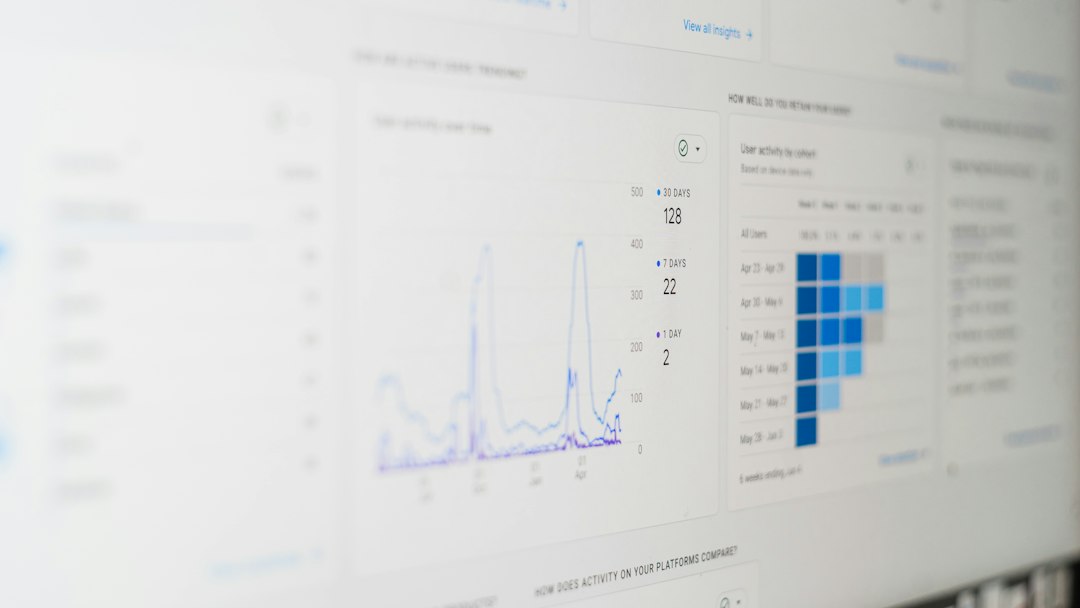
The value comes from connection. If an employee reports burnout, the platform should help a manager spot workload issues, check recent absence trends, and take action. If one location has low trust scores, leaders should be able to compare communication reach, turnover, and response times. This is how data becomes useful.
Why Experience Comes Before Engagement
Engagement is often treated like attitude. That is too narrow. People may want to do good work but still feel worn down by broken processes. A nurse who cannot find shift updates may disengage. A retail worker who never sees company news may feel ignored. A software engineer who loses 30 minutes each day to access problems may stop speaking up.
Workplace experience looks at those daily moments. It asks where work feels heavy. It also makes those problems visible to the right people.
Microsoft has reported that employees often lose time to communication overload and scattered digital work, a problem many firms now call digital debt [source: Microsoft]. That matters because engagement cannot survive constant friction. People notice when tools make simple tasks harder than they should be.
How to Select the Right Platform
Buying a platform should not start with a feature checklist. Start with the employee journey. Map the moments that shape trust: hiring, onboarding, manager check-ins, internal moves, recognition, support requests, and exit points.
Then ask vendors sharper questions:
- How fast can employees complete common tasks?
- Can frontline, remote, and office staff all use it easily?
- Does it integrate with HR, IT, and collaboration tools?
- Are insights clear enough for managers, not just analysts?
- Does it protect anonymity where needed?
- Can leaders track whether actions improved the employee experience?
A serious warning: do not buy a system just because the dashboard looks polished. A clean chart does not mean the product solves real problems. Ask for a live demo based on your own use cases. Include employees in testing. Watch where they hesitate. If a basic task takes 40 seconds longer than expected, that delay will grow into real irritation at scale.
The Role of Managers
No platform can replace good management. It can only support it. Managers need simple guidance, not another report they will ignore. The best tools translate signals into practical next steps.
For example, if a team’s feedback shows low clarity, the system might suggest a weekly priority note, a team check-in template, or a one-on-one prompt. If recognition is uneven, it can show patterns without turning praise into a contest. The point is to help managers act sooner and with more confidence.
What Success Should Look Like
Success is not a higher survey response rate by itself. Better signs include faster issue resolution, lower voluntary turnover, stronger internal mobility, better onboarding completion, and fewer repeated complaints. Engagement scores may rise too, but they should be backed by proof that work has improved.
The future of employee engagement is less about asking people how they feel and more about fixing what makes work harder than it needs to be. Platforms that put workplace experience first are built for that job. They listen, connect, guide, and remove friction. That is what earns trust.