Ever bitten into a McDonald’s burger and thought, “Wow, that pickle hits different”? Yeah, same here. That tiny crunch has a backstory, and Tony Parle sits right at the center of it. He’s not a flashy celebrity, not a Silicon Valley type, but IMO his story beats most business case studies. He turned a humble farm crop into a decades-long partnership with one of the biggest food brands on the planet. Sounds wild, right?
I first stumbled across Tony Parle while reading about Australian food suppliers, and I’ll be honest I didn’t expect to get hooked. Yet here we are. Let’s talk about the man, the farm, the pickles, and the lessons hidden behind that green slice on your burger.
Who Is Tony Parle, Really?
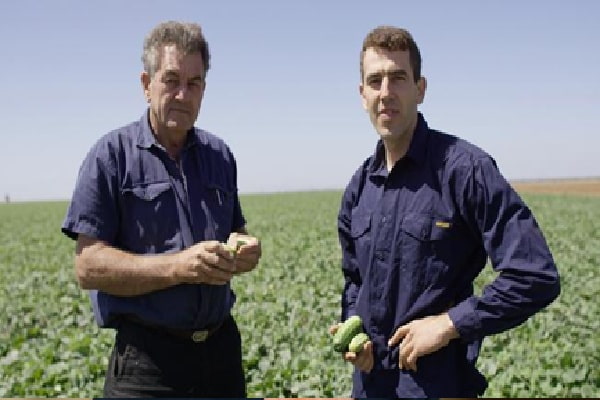
Tony Parle is an Australian farmer and agribusiness leader best known as the long-time pickle supplier to McDonald’s Australia. People often call him the “Pickle King”, and no, that’s not an exaggeration. His farm near Griffith, New South Wales, produces gherkins that end up in burgers all across the country.
What grabs me most isn’t just the scale of his operation. Tony represents a rare mix of old-school farming values and sharp business instincts. He didn’t chase trends. He chased consistency. Ever wondered why that matters more than hype? This story explains it perfectly.
Growing Up With Dirt Under His Fingernails
A Classic Aussie Farm Beginning
Tony Parle grew up in regional New South Wales, surrounded by farmland and routines shaped by weather, seasons, and hard work. Farming wasn’t a “career option” for him. It was life. He learned early that crops don’t care about excuses.
That background shaped his mindset. He learned to plan carefully, react fast, and take responsibility when things went wrong. Those habits later helped him handle contracts that leave zero room for error.
The Big Pivot: Why Pickles?
Spotting Opportunity Where Others Didn’t
Most farmers stick to familiar crops. Tony didn’t. In the late 1980s, he noticed something interesting: Australia imported many of its pickled cucumbers. That gap screamed opportunity.
He started experimenting with gherkin farming, even though the crop demands precision and constant attention. Gherkins grow fast. Miss the harvest window, and they’re useless. Who signs up for that stress? Tony did.
The McDonald’s Connection
Eventually, Tony secured a contract to supply McDonald’s Australia. That moment changed everything. McDonald’s doesn’t play around with quality. They demand consistency, food safety, and reliability every single time.
Tony didn’t just meet those standards. He built his entire operation around them.
Inside Tony Parle’s Pickle Operation
More Than Just a Farm
Tony Parle runs a vertically integrated operation, which means he controls the process from start to finish. That’s rare and smart.
Here’s how it works:
-
Growing the cucumbers on his own land
-
Harvesting them at peak size, sometimes daily
-
Fermenting them in brine tanks
-
Slicing, grading, and packaging on site
This setup lets Tony control quality without relying on outside processors. IMO, that’s one reason McDonald’s stuck around for decades.
Production at a Serious Scale
Tony’s farm produces around 1,800 tonnes of pickles each year. That number blew my mind when I first read it. We’re talking millions of pickle slices landing on burgers annually.
And yes, every slice has to taste the same. Ever notice how McDonald’s pickles never surprise you? That consistency doesn’t happen by accident.
Why McDonald’s Trusted Tony Parle for Decades
Consistency Beats Flash
Many suppliers come and go. Tony Parle stayed. Why? Because he focused on what big brands care about most:
-
Reliable supply
-
Strict quality control
-
Long-term thinking
-
Clear communication
He didn’t chase shortcuts. He built systems that worked year after year. That mindset helped him maintain a 30+ year partnership with McDonald’s Australia, which almost never happens in agriculture.
Trust Built Over Time
Tony didn’t just deliver pickles. He delivered peace of mind. When McDonald’s placed an order, they knew it would arrive on time and meet specs. That trust turned a supplier into a strategic partner.
Ever notice how boring reliability sounds until it disappears? Exactly.
The Tough Years People Don’t Talk About
Expansion That Went Sideways
Tony Parle didn’t win every bet. At one point, he expanded into frozen vegetables through a business venture called Parle Foods. Drought, market pressure, and timing issues hit hard.
The business collapsed, and Tony took a serious financial hit. Many people would’ve walked away. He didn’t.
Back to Basics
Tony regrouped and refocused on what he did best: pickles. He tightened operations, leaned on family support, and rebuilt stability.
That decision says a lot. Some leaders chase pride. Tony chased sustainability.
Family at the Heart of the Business
A True Family Operation
Tony Parle doesn’t run a faceless corporation. His wife Gai and son Ben play active roles in the business. That family structure keeps decisions grounded and fast.
I always respect businesses that stay human as they grow. This one definitely does.
Supporting the Local Community
Tony’s farm supports local jobs in the Griffith region and keeps food production local. McDonald’s often highlights his operation as part of its commitment to Australian suppliers.
That matters more than people realize, especially in rural economies.
Tony Parle’s Leadership Style
Quiet, Practical, Effective
Tony doesn’t posture as a thought leader. He leads through action. His style centers on:
-
Hands-on involvement
-
Clear expectations
-
Long-term relationships
-
Calm problem-solving
IMO, that style fits agriculture perfectly. Crops don’t respond to buzzwords.
Lessons You Can Steal (Seriously)
You don’t need a farm to learn from Tony Parle. His approach applies almost anywhere:
-
Focus on one thing and do it well
-
Build systems, not shortcuts
-
Treat partners like relationships, not transactions
-
Recover fast when plans fail
Sounds simple. Pulling it off takes grit.
Also Read : Elizabeth Holley: Mining Innovation, Geology & Leadership
Comparing Tony Parle to Other Agribusiness Leaders
Many agribusiness stories focus on massive conglomerates. Tony’s story feels different. He built scale without losing control.
Here’s how he stands out:
-
Others outsource processing; Tony kept it in-house
-
Others chase growth; Tony prioritized stability
-
Others switch buyers; Tony deepened one partnership
That focus made his business resilient when markets shifted.
Why Tony Parle’s Story Still Matters
Food Supply Chains Matter More Than Ever
Recent global disruptions reminded everyone how fragile food supply chains can be. Tony Parle built a model that minimizes risk through local production and tight quality control.
That’s not trendy. That’s smart.
Inspiration for Future Farmers
Tony proves that niche farming works when paired with discipline. He didn’t need hundreds of buyers. He needed one great one.
Ever thought about how many careers reward depth over breadth? This is one of them.
Common Myths About Tony Parle
“It Was Just Luck”
Luck helped, sure. But luck didn’t maintain a 30-year supply contract. Discipline did.
“Anyone Could Do This”
Not really. Gherkin farming demands timing, labor, and infrastructure. Tony invested heavily and stayed patient.
“He Only Supplied Pickles”
Pickles may sound small, but they represent logistics, fermentation science, food safety, and scale. That’s real complexity.
The Pickle You’ll Never See the Same Way Again
Next time you lift a burger bun and spot that green slice, remember this: someone planned that flavor months in advance. Someone harvested it at the right hour. Someone fermented it just long enough.
That someone was likely Tony Parle.
Final Thoughts on Tony Parle
Tony Parle’s story proves that quiet consistency beats loud ambition. He didn’t build an empire through hype. He built it through reliability, patience, and smart focus.
He turned a regional Australian farm into a national food supplier. He survived failure without losing direction. And he reminded us that even the smallest ingredients can carry massive stories.