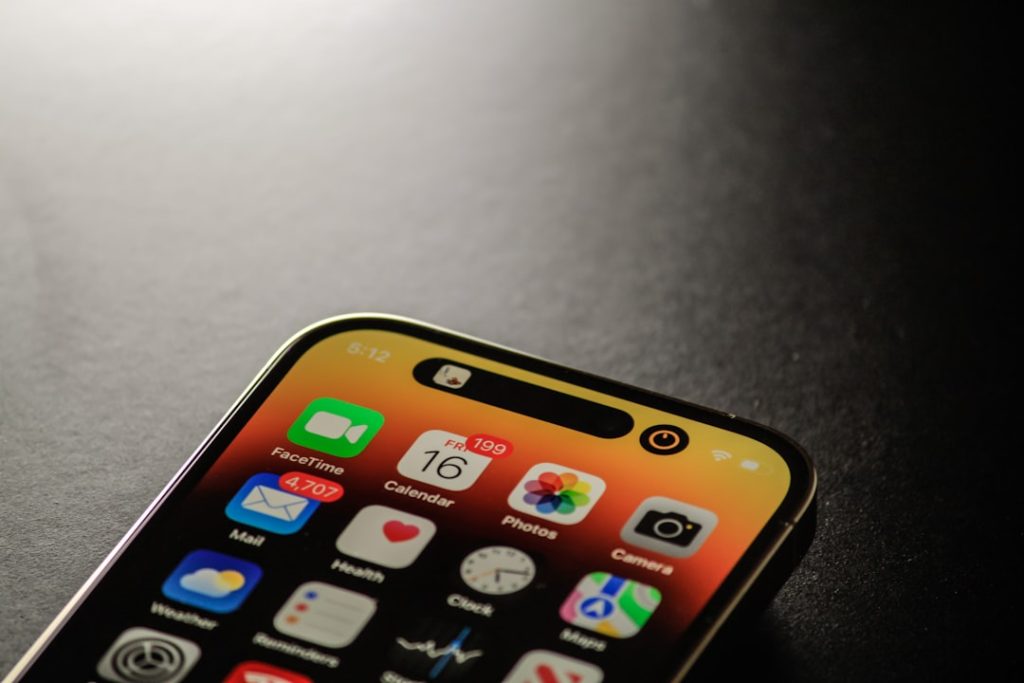
The iPhone 16 Plus is not Apple’s most expensive phone, nor is it the most technically ambitious model in the 2024 lineup. However, for many buyers, it may be the most sensible large-screen iPhone because it combines a spacious display, the new A18 chip, Apple Intelligence support, and notably strong endurance. This review focuses on two areas that matter most in daily ownership: performance and battery life.
TLDR: The iPhone 16 Plus delivers excellent everyday performance thanks to the A18 chip, with enough power for demanding apps, gaming, video editing, and Apple Intelligence features. Battery life is one of its strongest advantages, comfortably lasting a full day and often stretching into a second day with moderate use. Its main limitation is not raw speed, but the 60Hz display, which makes it feel less fluid than the Pro models despite strong internal hardware. Overall, it is a reliable choice for users who want a large iPhone with long battery life without paying Pro Max prices.
Performance overview: a major step forward
The iPhone 16 Plus is powered by Apple’s A18 chip, a processor built to give the standard iPhone models a more meaningful upgrade than in some previous years. Unlike the iPhone 15 Plus, which used the older A16 Bionic, the iPhone 16 Plus benefits from a newer architecture, better graphics capability, improved efficiency, and support for Apple’s latest on-device intelligence features.
In practical terms, the phone feels fast in nearly every normal task. Opening apps, switching between them, browsing heavy websites, editing photos, recording video, and using navigation all happen smoothly. Apple’s iPhones have rarely struggled with basic tasks, but the A18 gives the 16 Plus a valuable margin of future-proofing. This matters if you plan to keep the phone for four, five, or even six years.
The A18 includes a 6-core CPU, a 5-core GPU, and a 16-core Neural Engine. Apple does not market the iPhone 16 Plus as a professional workstation in the same way it presents the Pro models, but the difference between the standard and Pro lines is narrower than many casual buyers may expect. For everyday users, the iPhone 16 Plus is more than powerful enough.
Everyday use: fast, stable, and consistent
Day-to-day performance is where the iPhone 16 Plus makes its strongest case. The experience is responsive, predictable, and polished. Apps launch quickly, animations are clean, and background tasks such as cloud photo syncing or podcast downloads do not noticeably slow the device. The large screen also helps when multitasking visually, even though iOS still does not provide true split-screen multitasking on iPhone.
The phone is especially comfortable for:
- Messaging and social media: Apps like Messages, WhatsApp, Instagram, TikTok, and X run without hesitation.
- Photography and video: Capturing, previewing, and editing images feels quick and reliable.
- Navigation: Maps performance is smooth, with fast route recalculation and stable GPS behavior.
- Productivity: Email, calendars, notes, cloud documents, and banking apps run effortlessly.
- Media consumption: Streaming video and music are handled with no performance concerns.
One important point is that the iPhone 16 Plus does not feel like a “budget” large iPhone. It behaves like a flagship device in speed and reliability, even if it lacks some premium features found on the Pro models.
The 60Hz display affects perceived speed
The biggest performance-related drawback is not the chip. It is the display. The iPhone 16 Plus still uses a 60Hz refresh rate, while the iPhone 16 Pro and Pro Max use Apple’s ProMotion technology with adaptive refresh rates up to 120Hz.
This distinction matters because performance is not only about benchmark numbers. It is also about how fast a phone feels. Scrolling through web pages, moving around social feeds, and navigating menus look smoother on a 120Hz display. The iPhone 16 Plus is fast, but it does not always look as fluid as competing Android phones in the same price range or Apple’s own Pro models.
That said, users coming from an older standard iPhone, such as the iPhone 11, iPhone 12, iPhone 13, or iPhone 14, may not find this issue significant. If you are used to 60Hz iPhones, the 16 Plus will feel familiar and quick. If you have used a ProMotion iPhone for a long time, the downgrade will be noticeable.
Gaming performance
The iPhone 16 Plus is a capable gaming phone. The A18’s GPU provides strong graphics performance, and the large display makes games more enjoyable than on the smaller iPhone 16. Popular titles run well, and the phone can handle more demanding games with stable frame rates in most scenarios.
For casual games, there is no concern at all. Puzzle games, racing titles, card games, strategy games, and mainstream multiplayer titles are handled easily. More demanding 3D games can push the hardware harder, especially during extended sessions, but the iPhone 16 Plus generally remains composed.
The larger body also helps with thermal management compared with smaller phones. Heat is spread across a bigger chassis, which can reduce the feeling of hot spots during gaming or long camera sessions. Still, it is not immune to heat. Under heavy graphics workloads, especially with high brightness and cellular data active, the phone can become warm and may reduce performance slightly to protect battery health and internal components.
For serious mobile gamers, the iPhone 16 Pro Max remains the better choice because of its ProMotion display and more advanced GPU. But for most users, the iPhone 16 Plus has enough gaming power to feel premium.
Apple Intelligence and on-device processing
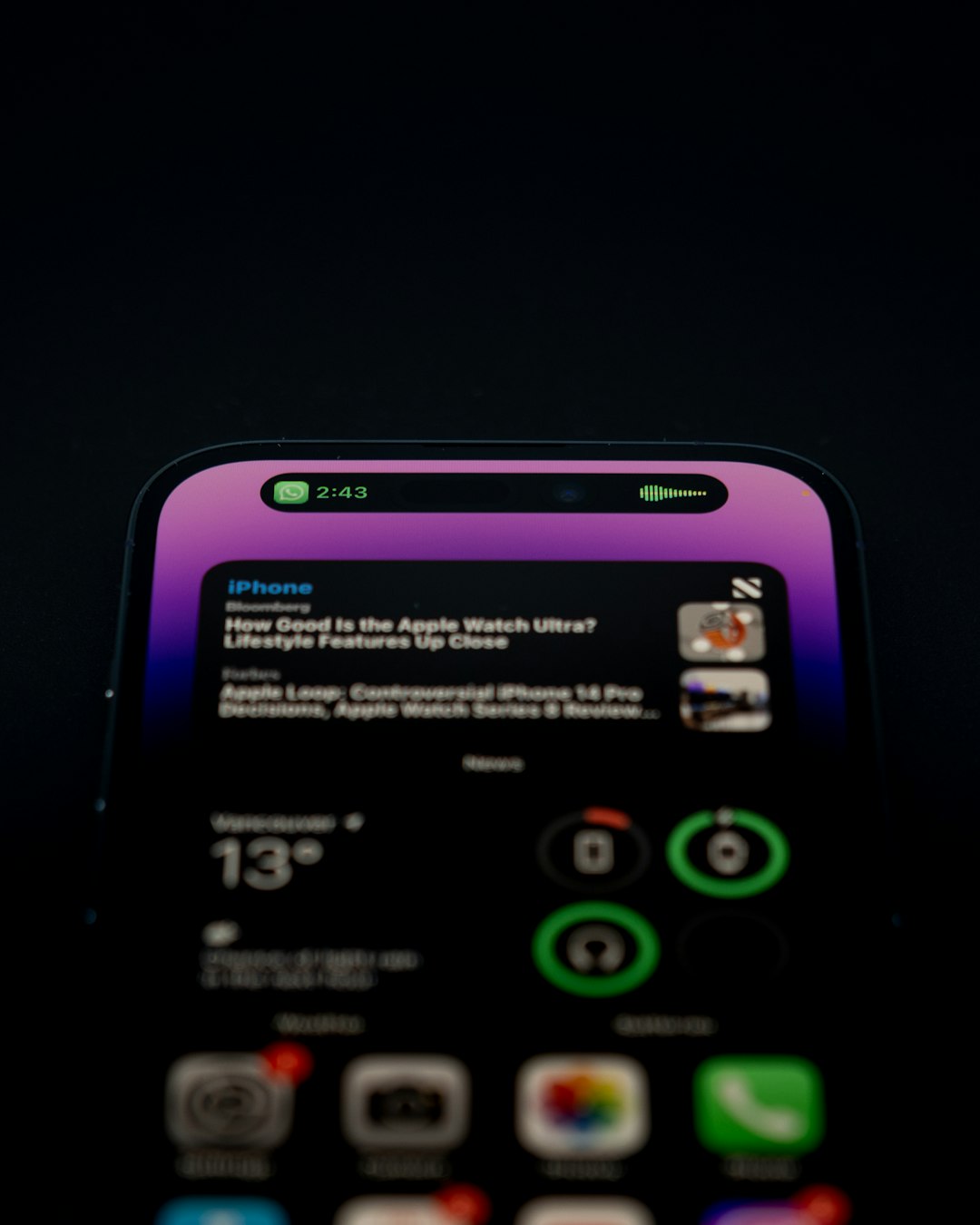
One of the most important reasons to consider the iPhone 16 Plus over older models is support for Apple Intelligence. Apple’s newer AI features rely heavily on the Neural Engine and on-device processing, and the A18 chip is built with this workload in mind.
In real use, AI features are less about dramatic speed and more about convenience. Writing tools, smarter Siri capabilities, notification summaries, image-related features, and contextual assistance all depend on the phone having enough processing power and memory to handle modern machine learning tasks. The iPhone 16 Plus is designed for this new software direction, which gives it a stronger long-term outlook than older Plus models.
It is wise, however, to be realistic. Apple Intelligence features are rolling out gradually and vary by language, region, and software version. The iPhone 16 Plus has the hardware foundation, but the total value of these features will depend on how Apple expands them over time.
Battery life: the main reason to buy the Plus
Battery life is the iPhone 16 Plus’s most convincing strength. A larger phone allows Apple to fit a larger battery, and the efficient A18 chip helps the device use that battery carefully. The result is one of the best endurance profiles in the iPhone 16 family, particularly for users who do not need the Pro Max.
Apple rates the iPhone 16 Plus for up to 27 hours of video playback, up to 24 hours of streamed video playback, and up to 100 hours of audio playback. Manufacturer figures are always based on controlled conditions, so they should not be treated as exact real-world outcomes. Still, they are useful for comparing models, and they show that the Plus is built for longevity.
In normal mixed use, the iPhone 16 Plus should comfortably last a full day. For moderate users, it can often reach well into a second day before needing a charge. A typical day involving messaging, calls, browsing, photos, music streaming, maps, and some video will usually leave a healthy reserve by bedtime.
Real-world battery expectations
Battery life depends heavily on usage patterns, network conditions, brightness, and background activity. A user who streams video over Wi-Fi at medium brightness will see much better endurance than someone recording 4K video outdoors on 5G with maximum brightness. Even so, the iPhone 16 Plus has enough capacity and efficiency to handle demanding days better than smaller iPhones.
Expected battery performance can be summarized as follows:
- Light use: Up to two days is realistic for users who mainly text, call, check email, and browse occasionally.
- Moderate use: A full day with 30% or more remaining is achievable for many people.
- Heavy use: Gaming, video recording, navigation, hotspot use, and 5G streaming can drain the battery faster, but the phone should still perform better than smaller standard iPhones.
- Travel use: The large battery makes the iPhone 16 Plus a strong option for flights, long commutes, and days away from a charger.
The most important quality is consistency. The iPhone 16 Plus does not require constant battery anxiety. That alone makes it appealing for business users, students, travelers, and anyone who dislikes carrying a power bank.
Charging performance
The iPhone 16 Plus uses USB-C, which is convenient if you already use modern laptops, tablets, or accessories. Wired charging remains dependable, and Apple states that compatible fast charging can bring the phone to around 50% in about 30 minutes with a suitable power adapter.
Wireless charging is also improved. With compatible MagSafe equipment and an adequate power adapter, the iPhone 16 series supports faster MagSafe charging than older models. It also supports Qi2 wireless charging, which is useful as more third-party accessories adopt the standard.
Still, Apple is more conservative with charging speeds than many Android manufacturers. If you want a phone that charges from empty to full in under half an hour, the iPhone 16 Plus is not that device. Apple’s approach prioritizes reliability, heat control, and battery health rather than extreme charging numbers. For most users, overnight charging or short daytime top-ups will be sufficient.
Thermals and efficiency
Performance and battery life are closely connected. A fast chip is only useful if it can maintain performance without excessive heat or power drain. The A18 is efficient, and the iPhone 16 Plus benefits from having more physical space than the smaller iPhone 16. This helps during sustained workloads such as gaming, long video calls, camera use, and navigation.
In ordinary use, the phone remains cool. It may become warm during setup, iCloud restoration, large app downloads, extended gaming, or 4K video recording. This is normal for modern smartphones. The important point is that the iPhone 16 Plus generally manages heat well enough to preserve a stable experience.
Who should buy the iPhone 16 Plus?
The iPhone 16 Plus is best suited to users who want a large iPhone with excellent battery life but do not need all the Pro features. It is a particularly strong upgrade for people coming from older standard iPhones, especially if their current phone struggles with battery life or lacks support for newer Apple features.
You should consider the iPhone 16 Plus if you value:
- Long battery life more than having the highest refresh rate display.
- A large screen for video, reading, typing, and navigation.
- Strong long-term performance from the A18 chip.
- Apple Intelligence support and better future software compatibility.
- A lower price than the Pro Max while still getting a big iPhone experience.
You may want to choose the iPhone 16 Pro or Pro Max instead if you care deeply about 120Hz smoothness, advanced camera hardware, the best GPU performance, or premium materials. The iPhone 16 Plus is powerful, but Apple clearly reserves some features for the Pro line.
Verdict
The iPhone 16 Plus is a serious, dependable smartphone with two clear strengths: performance and battery life. The A18 chip gives it excellent speed, better efficiency, and a strong foundation for Apple Intelligence. It handles daily tasks, gaming, photography, and productivity with confidence.
Its battery life is even more impressive. For many users, this will be the main reason to buy it. The phone is built to last through long days, and moderate users may not need to charge every night. That practical reliability is more valuable than many flashy features.
The main criticism is the 60Hz display. At this price, a higher refresh rate would make the iPhone 16 Plus feel more modern and better aligned with its performance capability. Even so, if you can accept that limitation, the iPhone 16 Plus is one of the most balanced large iPhones available. It is not the most advanced iPhone Apple sells, but for battery-focused buyers who want strong performance and a big screen, it is one of the most sensible choices.