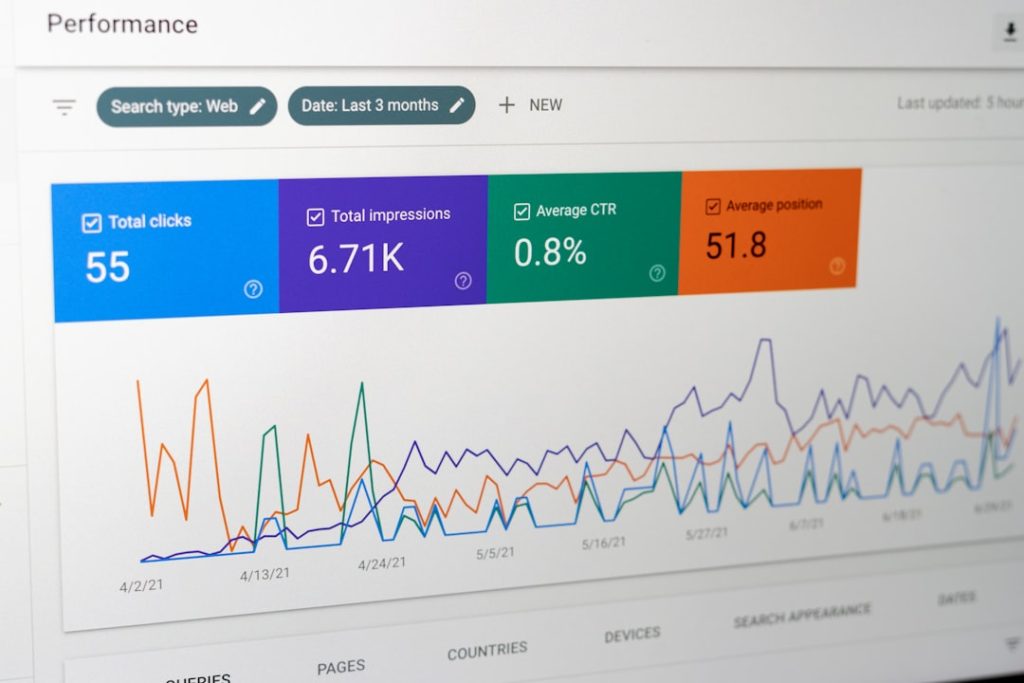
In the world of search engine optimization, backlinks remain one of the most powerful ranking factors. Businesses, marketers, and website owners rely heavily on backlink monitoring software like Ahrefs to track incoming links, measure domain authority, and maintain a healthy link profile. Without proper monitoring, valuable backlinks can disappear, toxic links can accumulate, and competitors can quietly overtake search rankings. Backlink tracking tools provide insight, control, and strategic direction in an increasingly competitive digital environment.
TLDR: Backlink monitoring software like Ahrefs helps website owners track inbound links, analyze domain authority, and identify link-building opportunities. These tools provide detailed insights into referring domains, anchor text distribution, and competitor strategies. By using backlink monitoring platforms consistently, businesses can protect their SEO performance and strengthen their search engine rankings over time. Effective link tracking is essential for sustainable organic growth.
Why Backlinks Matter in SEO
Backlinks function as endorsements from other websites. When a reputable website links to another, search engines interpret that connection as a signal of trust and authority. The more high-quality links a website earns, the stronger its potential to rank well in search engine results pages.
However, not all backlinks are beneficial. Links from low-quality or spammy websites can harm rankings. This makes monitoring essential. Backlink monitoring software provides:
- Visibility into who is linking to the site
- Assessment of link quality and authority
- Alerts when links are gained or lost
- Competitive analysis of rival backlink strategies
Without these insights, businesses operate blindly in their SEO efforts.
What Is Backlink Monitoring Software?
Backlink monitoring software is a specialized SEO tool designed to track inbound links and evaluate their impact on a website’s authority and search performance. Platforms like Ahrefs have become industry standards due to their expansive link databases and advanced analytics.
These tools crawl billions of web pages to build detailed maps of how websites connect to each other.
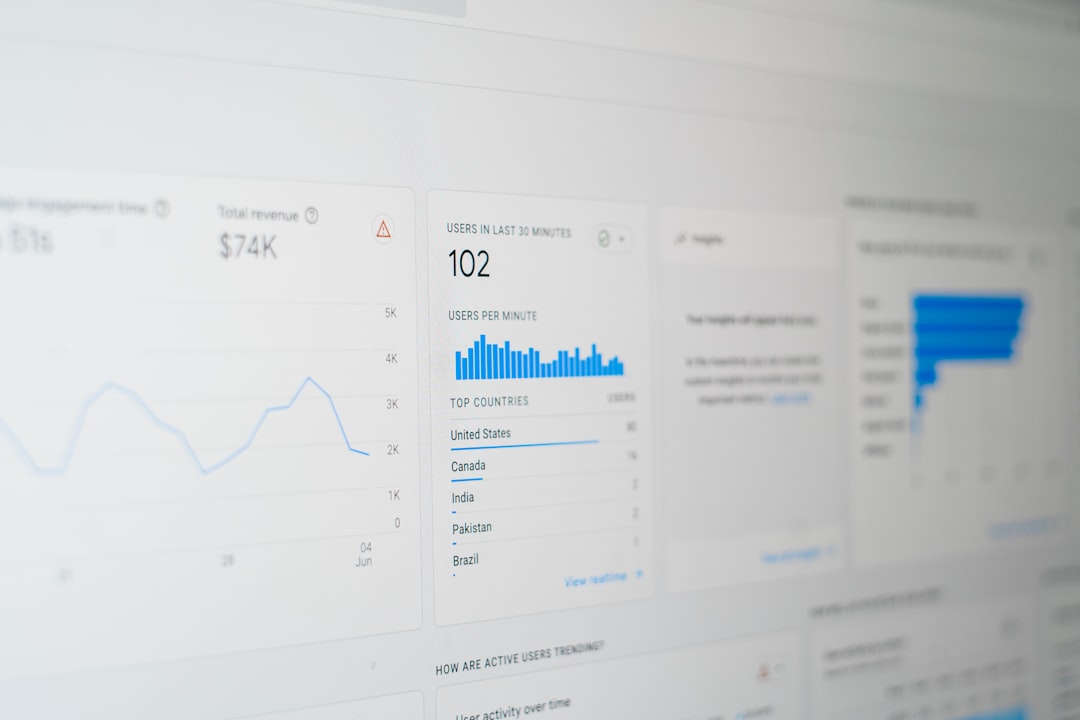
They typically provide data such as:
- Total number of backlinks
- Referring domains
- Domain authority or domain rating
- Anchor text usage
- New and lost backlinks
- Follow versus nofollow link ratios
This data allows marketers to make informed decisions about link building, outreach, and disavow strategies.
Tracking Links: The Core Function
The most fundamental feature of backlink monitoring software is link tracking. This involves continuously scanning the web to detect new inbound links and identify removed ones.
New backlinks indicate successful marketing or content performance. They may come from blog mentions, press releases, directories, partnerships, or organic editorial citations.
Lost backlinks can signal potential problems, such as:
- Deleted content on referring websites
- Broken pages
- Changes in editorial decisions
- Technical issues
When valuable links disappear, website owners can reach out to site administrators to restore them or redirect them to updated pages.
Ongoing monitoring ensures that link equity is preserved rather than quietly eroded.
Understanding Domain Authority and Domain Rating
Domain authority (DA) and domain rating (DR) are metrics developed by SEO software providers to estimate a website’s overall authority based on its backlink profile. While different platforms use slightly different methodologies, the concept remains consistent: stronger backlink profiles generally lead to higher scores.
Backlink monitoring tools help users:
- Track their own domain authority over time
- Evaluate the authority of linking domains
- Identify high-value outreach targets
- Compare authority metrics against competitors
A higher authority score often correlates with improved ranking potential. However, it is not just about quantity; relevance and quality matter just as much.
Competitor Backlink Analysis
One of the most powerful features of tools like Ahrefs is competitive analysis. Instead of guessing where competitors gain their authority, users can see precisely which websites are linking to them.
Image not found in postmetaThis insight enables businesses to:
- Discover link-building opportunities
- Identify content that attracts strong backlinks
- Replicate successful outreach campaigns
- Spot industry partnerships
For example, if a competitor receives backlinks from industry blogs or news websites, similar outreach efforts might secure comparable placements.
Competitive backlink tracking transforms SEO from reactive guessing into strategic planning.
Identifying Toxic and Spam Links
Not all backlinks help. Some can harm a website’s reputation in the eyes of search engines. Toxic links often originate from spam directories, link farms, low-quality blogs, or unrelated foreign domains.
Backlink monitoring tools assess quality signals such as:
- Domain authority of linking sites
- Relevance of content
- Anchor text patterns
- Spam indicators
When suspicious patterns appear, webmasters can take action by contacting site owners or submitting disavow files to search engines.
Proactive link auditing helps maintain a clean backlink profile and reduces the risk of algorithmic penalties.
Anchor Text Monitoring
Anchor text plays a critical role in link evaluation. It tells search engines what the linked page is about. However, over-optimized anchor text can trigger penalties.
Monitoring software allows users to analyze anchor text distribution by categorizing it into:
- Branded anchors
- Exact match keywords
- Partial match phrases
- Generic text such as “click here”
A natural anchor profile typically contains a healthy mix of these categories. If too many backlinks contain exact-match commercial keywords, adjustment may be necessary.
Reporting and Data Visualization
Effective backlink tools do more than collect raw data. They present information through dashboards, charts, and exportable reports.
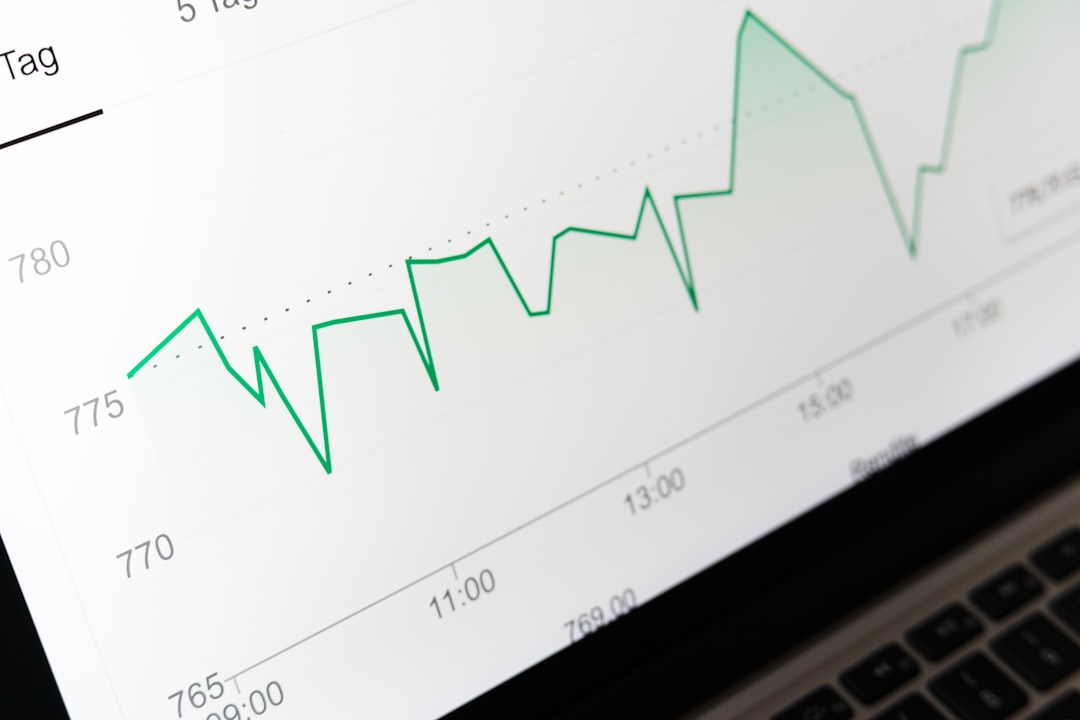
This makes it easier for:
- Agencies to present results to clients
- Teams to track progress over time
- Executives to understand SEO ROI
Automated reports and alerts ensure that important link changes never go unnoticed.
Key Features to Look For
When selecting backlink monitoring software, users should prioritize certain features:
- Comprehensive link index with frequent updates
- Real-time alerts for gained and lost backlinks
- Competitor analysis tools
- Historical data tracking
- Domain authority evaluation
- Integration with other SEO tools
Depth and accuracy of data make a significant difference in strategic planning.
Benefits for Different Users
For small businesses: Backlink monitoring offers visibility into online reputation and growth opportunities.
For SEO agencies: It provides client reporting, competitive insights, and measurable campaign outcomes.
For content marketers: It identifies which articles earn links and why.
For enterprises: It safeguards brand authority across large digital ecosystems.
Regardless of size, consistent tracking supports sustained organic growth.
Best Practices for Using Backlink Monitoring Software
Simply subscribing to a tool is not enough. Effective usage requires strategic implementation.
- Schedule regular audits to review new and lost links.
- Monitor competitors monthly for new linking domains.
- Track domain authority trends rather than daily fluctuations.
- Investigate sudden spikes in link growth carefully.
- Combine link data with content and keyword analysis.
Combining data insights with outreach, content marketing, and technical SEO amplifies results.
The Future of Backlink Monitoring
As search engines evolve, backlink evaluation methods become more sophisticated. Artificial intelligence now influences how tools assess link quality and predict SEO performance.
Future trends may include:
- Improved spam detection algorithms
- Predictive authority scoring
- Integration with real-time performance metrics
- Automated outreach suggestions
Despite technological changes, one principle remains constant: understanding link relationships is central to search visibility.
Conclusion
Backlink monitoring software like Ahrefs plays a crucial role in modern SEO strategy. By tracking inbound links, measuring domain authority, analyzing competitors, and identifying toxic connections, these tools provide clarity in an otherwise complex digital landscape. Websites that invest in consistent backlink monitoring gain stronger control over their reputation and ranking power. In an environment where search results shape business success, proactive link management is not optional—it is essential.
Frequently Asked Questions (FAQ)
1. What is backlink monitoring software used for?
It is used to track inbound links, measure their quality, monitor domain authority, and analyze competitor link strategies. The goal is to improve and protect search engine rankings.
2. How does domain authority affect SEO?
Domain authority estimates the overall strength of a website’s backlink profile. While it is not a direct ranking factor from search engines, higher authority often correlates with better ranking potential.
3. How often should backlinks be monitored?
Backlinks should ideally be monitored weekly or monthly, depending on website size and activity level. Regular audits help detect lost or harmful links quickly.
4. Can backlink monitoring tools detect toxic links?
Yes. Most advanced tools analyze link quality indicators and highlight potentially harmful or spammy links that may require removal or disavowal.
5. Are more backlinks always better?
No. Quality, relevance, and authority matter far more than quantity. A few high-quality backlinks can be more valuable than hundreds of low-quality ones.
6. Is competitor backlink analysis important?
Yes. Studying competitor backlinks reveals new opportunities, successful content strategies, and potential outreach targets that can strengthen a website’s own SEO performance.