SEO professionals often consider Moz because it offers approachable keyword research, rank tracking, link metrics, and site auditing in one platform. However, different teams may need deeper backlink data, larger keyword databases, more technical crawling, stronger reporting, or more flexible pricing. The best Moz alternative depends on whether the priority is competitive intelligence, technical SEO, content planning, or agency reporting.
TLDR: The strongest Moz alternatives for SEO professionals include Ahrefs, Semrush, SE Ranking, Screaming Frog, Sitebulb, Majestic, Serpstat, and Mangools. Ahrefs and Semrush are best for broad, advanced SEO workflows, while Screaming Frog and Sitebulb are ideal for technical audits. Smaller teams may prefer SE Ranking, Serpstat, or Mangools for a more affordable balance of features.
Why SEO Professionals Look for Moz Alternatives
Moz remains a respected SEO platform, especially for its Domain Authority, keyword tools, and beginner-friendly interface. Still, advanced SEO professionals often compare it with other tools because no single platform is perfect for every workflow. Some alternatives provide larger backlink indexes, more accurate keyword difficulty data, deeper competitor tracking, or stronger site crawling capabilities.
Agencies may also need white-label reports, client workspaces, and scalable rank tracking. In-house teams may prioritize content gap analysis, international keyword databases, or integrations with analytics platforms. As a result, many SEO professionals use Moz alongside other tools or replace it with a platform better aligned with their goals.
1. Ahrefs: Best for Backlink Analysis and Competitive Research
Ahrefs is one of the most popular Moz alternatives for professionals focused on backlinks, competitor research, and content opportunities. Its backlink index is widely regarded as one of the strongest in the industry, making it useful for link building, digital PR, and authority analysis.
Ahrefs also offers keyword research, rank tracking, site auditing, and content discovery. Its Content Gap and Site Explorer features help SEO teams identify which pages and keywords drive traffic for competitors. For professionals who rely heavily on link data, Ahrefs is often a top choice.
- Best for: Backlink research, competitor analysis, content gaps
- Strengths: Large link database, clean interface, strong keyword tools
- Limitations: Pricing can be high for smaller teams
2. Semrush: Best All-in-One SEO and Marketing Suite
Semrush is a comprehensive alternative for teams that need more than traditional SEO features. It includes tools for keyword research, technical audits, rank tracking, competitor analysis, content optimization, local SEO, PPC research, and social media planning.
For agencies and larger marketing teams, Semrush is especially useful because it centralizes many digital marketing tasks in one platform. Its competitive research features are strong, allowing professionals to analyze organic visibility, paid search activity, traffic estimates, and keyword overlaps.
- Best for: Agencies, enterprise teams, full-funnel marketing research
- Strengths: Broad toolkit, strong reporting, competitive intelligence
- Limitations: Feature depth may feel overwhelming for beginners
3. SE Ranking: Best Value for Growing Teams
SE Ranking is a practical Moz alternative for teams that want a strong SEO platform without enterprise-level pricing. It includes keyword rank tracking, website audits, backlink monitoring, competitor research, keyword suggestions, and reporting tools.
Its pricing flexibility makes it appealing to freelancers, small agencies, and growing businesses. SE Ranking also offers white-label reporting, which is valuable for client-facing SEO professionals. While it may not match Ahrefs or Semrush in every advanced data category, it provides an impressive balance of features and affordability.
- Best for: Freelancers, small agencies, budget-conscious teams
- Strengths: Flexible pricing, solid rank tracking, agency reports
- Limitations: Some databases may be smaller than premium competitors
4. Screaming Frog: Best for Technical SEO Audits
Screaming Frog SEO Spider is not a direct all-in-one Moz replacement, but it is one of the most important tools for technical SEO professionals. It crawls websites and uncovers issues such as broken links, duplicate titles, missing meta descriptions, redirect chains, canonical problems, thin content, and indexability errors.
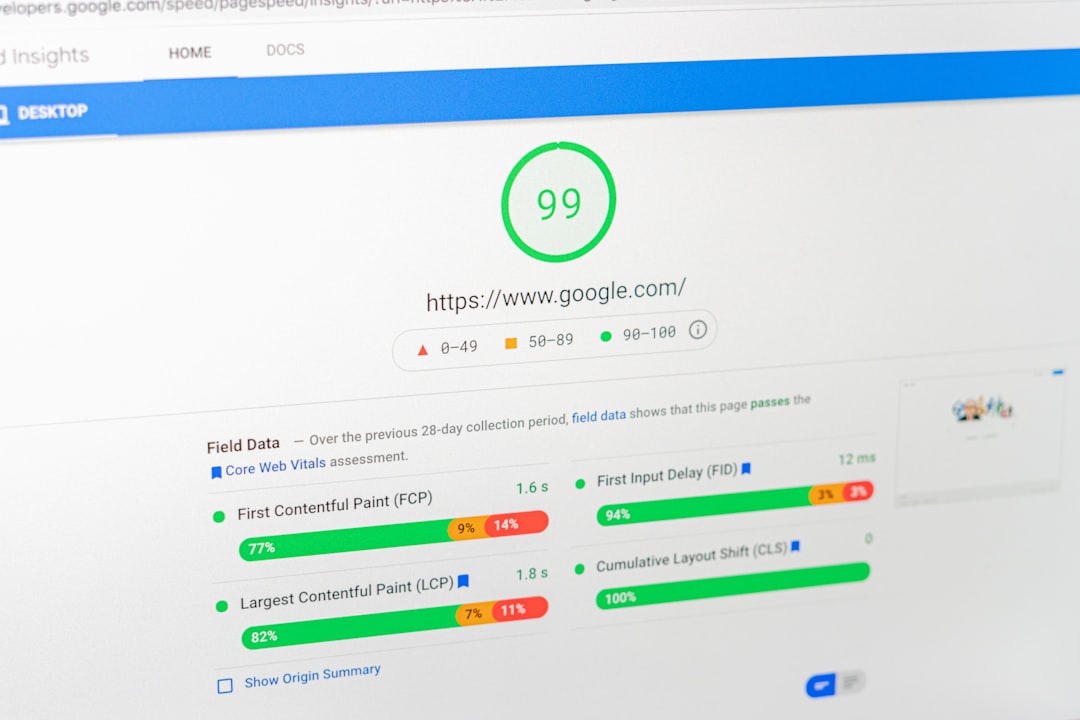
Technical specialists often rely on Screaming Frog because it gives granular control over crawls and exports. It also integrates with Google Analytics, Google Search Console, PageSpeed Insights, and other data sources. For teams that need serious technical auditing, Screaming Frog is often more powerful than the built-in crawlers found in broader SEO suites.
- Best for: Technical audits, crawl diagnostics, site migrations
- Strengths: Detailed crawl data, powerful exports, advanced configuration
- Limitations: Less useful for keyword research or backlink analysis
5. Sitebulb: Best for Visual Technical SEO Reporting
Sitebulb is another excellent technical SEO tool, especially for professionals who want detailed crawl insights presented in a more visual format. It provides audit hints, crawl maps, internal linking analysis, indexability checks, and structured data validation.
Compared with Screaming Frog, Sitebulb is often praised for its user-friendly reports and visual explanations. This makes it suitable for consultants and agencies that need to communicate technical issues to non-technical stakeholders.
- Best for: Visual technical audits, stakeholder reporting, crawl insights
- Strengths: Clear explanations, strong visualizations, audit prioritization
- Limitations: Desktop-based workflow may not suit every team
6. Majestic: Best for Link Intelligence
Majestic is a specialized backlink analysis platform known for its link index and metrics such as Trust Flow and Citation Flow. It is particularly useful for link prospecting, backlink quality analysis, and historical link research.
SEO professionals who focus on authority building may use Majestic to supplement other tools. While it is not as broad as Semrush or Ahrefs, its link intelligence can be valuable for evaluating domains, detecting spam patterns, and understanding link neighborhoods.
- Best for: Link audits, backlink quality analysis, domain evaluation
- Strengths: Specialized link metrics, historical backlink data
- Limitations: Limited all-in-one SEO functionality
7. Serpstat: Best Affordable All-in-One Alternative
Serpstat offers keyword research, rank tracking, backlink analysis, site audits, and competitor research in one platform. It is often considered a cost-effective alternative for teams that need a broad toolkit but cannot justify the cost of premium enterprise platforms.
Its keyword clustering and competitor analysis features are useful for content planning. Although its databases may not always be as extensive as higher-priced competitors, Serpstat can be a reliable option for small and mid-sized SEO teams.
- Best for: Affordable SEO research, content planning, rank tracking
- Strengths: Broad feature set, useful keyword tools, accessible pricing
- Limitations: Data depth may vary by market
8. Mangools: Best for Simplicity and Ease of Use
Mangools is a user-friendly SEO suite that includes KWFinder, SERPChecker, SERPWatcher, LinkMiner, and SiteProfiler. It is especially appealing to freelancers, bloggers, and small businesses that want clear keyword and SERP data without a steep learning curve.
The platform is not designed for complex enterprise SEO operations, but it performs well for straightforward keyword research, competitor checks, and rank monitoring. Its interface is one of its biggest advantages.

- Best for: Beginners, freelancers, small websites
- Strengths: Easy interface, strong keyword discovery, affordable plans
- Limitations: Not ideal for advanced technical or enterprise SEO
How to Choose the Best Moz Alternative
The right Moz alternative depends on the professional’s workflow. For backlink-heavy strategies, Ahrefs or Majestic may be the best fit. For full-service marketing teams, Semrush provides a broader toolkit. For technical SEO, Screaming Frog and Sitebulb are difficult to beat.
Budget also matters. Smaller teams may prefer SE Ranking, Serpstat, or Mangools because they provide essential SEO functions at more accessible prices. Before selecting a tool, professionals should compare data quality, reporting needs, project limits, user seats, export options, and supported search markets.
Final Thoughts
Moz is still a capable SEO platform, but the modern SEO landscape offers many strong alternatives. The best option is not necessarily the tool with the most features; it is the one that matches the team’s priorities, budget, and level of expertise. Many SEO professionals ultimately combine multiple tools, using one platform for keyword and competitor research and another for technical crawls or backlink audits.
FAQ
What is the best overall Moz alternative?
Semrush is often considered the best overall alternative because it covers SEO, PPC, content, competitive research, and reporting. Ahrefs is another top choice, especially for backlink and competitor analysis.
Which Moz alternative is best for technical SEO?
Screaming Frog and Sitebulb are the strongest options for technical SEO audits. They provide detailed crawl data, indexability checks, internal linking insights, and issue prioritization.
Which Moz alternative is best for small businesses?
SE Ranking, Mangools, and Serpstat are strong choices for small businesses because they combine useful SEO features with more accessible pricing.
Is Ahrefs better than Moz?
Ahrefs may be better for backlink research, competitor analysis, and content gap discovery. Moz may still appeal to teams that prefer its interface, metrics, and simpler workflow.
Do SEO professionals need more than one tool?
Many professionals use multiple tools because each platform has different strengths. A team might use Semrush for competitive research, Screaming Frog for technical audits, and Majestic for link analysis.