
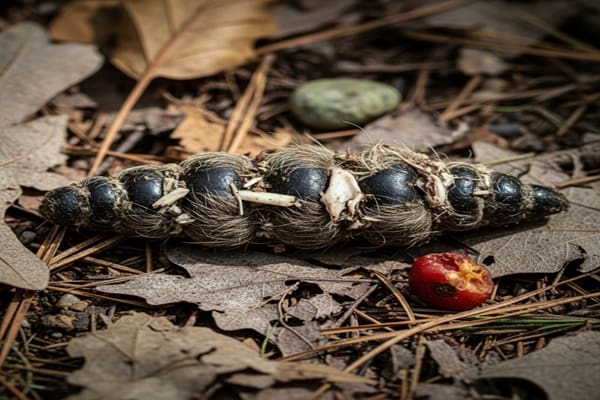
Coyote droppings might seem unremarkable at first glance, but they are packed with clues about the lives of these clever, adaptable animals. Whether you’re a wildlife enthusiast, a farmer protecting livestock, or a hiker curious about the signs along trails, understanding coyote scat can reveal diet, behavior, territory, and even the health of local ecosystems.
Coyote excrement is not just waste—it’s a biological record. Each piece of scat can contain fur, bones, seeds, fruit, or vegetation, giving ecologists and trackers insight into what coyotes eat and how they interact with their surroundings. Plus, knowing how to identify coyote droppings can help distinguish them from dogs, foxes, or bobcats, which is essential for anyone monitoring wildlife or managing land.
As coyotes increasingly move into suburban and rural areas, recognizing their scat has both practical and ecological value. Let’s dive into what coyote droppings reveal and why they matter more than you might think.
What Exactly Is Coyote Scat?
Coyote excrement—commonly called scat—is the solid waste left after digestion. Unlike domesticated dogs, coyotes have a highly variable diet, which makes their droppings equally diverse.
-
Variety: Their scat changes in size, texture, and content depending on the season and available food.
-
Diet diary: From rodents to berries, insects to occasional livestock, scat tells the story of what coyotes are eating at any given time.
-
Territorial marker: Coyotes often leave droppings in visible spots to signal boundaries to others.
By studying scat, scientists learn about predator-prey relationships and how coyotes adapt to seasonal changes in food availability. For example, winter droppings often contain fur, bones, and hooves, while summer scat may be packed with fruit and seeds.
How to Identify Coyote Scat
Coyote droppings can easily be mistaken for other canids, but there are several key characteristics to look for:
-
Size: Typically ¾ to 1½ inches in diameter and 4 to 10 inches long.
-
Shape: Rope-like, twisted, often tapered at the ends.
-
Contents: Fur, bones, seeds, berries, or grasses depending on diet.
-
Placement: Usually along trails, road edges, or elevated spots as a territorial marker.
-
Color: Dark when meat-heavy, lighter when plant-rich.
| Feature | Description | How It Stands Out |
|---|---|---|
| Size | ¾–1½ in wide, 4–10 in long | Larger than fox scat, smaller than wolf scat |
| Shape | Rope-like, twisted, tapered ends | Pointed tips unlike dog waste |
| Contents | Fur, bones, seeds, berries, grasses | Reflects natural diet diversity |
| Placement | Trails, roads, elevated spots | Marks territory visibly |
| Color Variation | Dark when meat-based, lighter when plant-based | Seasonal diet indicator |
These features make scat surveys a non-invasive way to monitor coyote activity without needing to trap or directly observe the animals.
Why Coyotes Leave Droppings in Plain Sight
Ever wondered why coyotes leave scat on trails or roads instead of hiding it? It’s communication in action.
-
Territorial signals: Droppings act like messages to other coyotes, signaling boundaries and dominance.
-
Hierarchy reinforcement: Dominant individuals often leave scat in prime spots to show authority.
-
Conflict prevention: By marking territory visually, coyotes reduce the chance of physical confrontation.
This behavior is similar to other carnivores, like wolves and foxes, who also mark boundaries using feces. For coyotes, scat is a low-cost, effective way to maintain social order.
Seasonal Shifts in Coyote Scat
Coyote droppings reflect seasonal dietary changes, making them a dynamic record of ecosystem shifts.
| Season | Common Contents in Scat | Ecological Implication |
|---|---|---|
| Winter | Fur, bones, hooves, meat fragments | Heavy reliance on mammal prey |
| Spring | Insects, grasses, small rodents | Diet diversification as temperatures rise |
| Summer | Berries, fruits, seeds | Seed dispersal and plant regeneration |
| Autumn | Fruits, rodents, occasional livestock | Preparing for winter energy needs |
By comparing scat across seasons and years, ecologists can track fluctuations in prey populations, fruit availability, and broader ecosystem trends.
The Ecological Role of Coyote Scat
Scat isn’t just a biological diary—it contributes directly to ecosystem health:
-
Seed dispersal: Seeds from berries and fruits pass through digestion, often germinating more effectively. Coyotes act as natural gardeners.
-
Soil enrichment: Nutrients like nitrogen and phosphorus from excrement enhance soil fertility.
-
Food source: Insects, scavengers, and even birds feed on droppings, linking coyotes to the local food web.
By observing scat, scientists can understand predator-prey relationships, track population dynamics, and study the ripple effects of coyotes on the environment.
Human Encounters with Coyote Scat
As coyotes venture into urban and suburban areas, humans encounter their droppings more frequently. While it’s usually harmless if left alone, there are precautions to consider:
-
Health risks: Scat can carry parasites like tapeworms. Direct handling should be avoided, and pets should not ingest it.
-
Indicators of activity: Scat near homes or farms signals nearby coyote presence and may indicate territorial marking.
-
Precaution tips: Remove fallen fruit, secure trash bins, and avoid leaving pet food outdoors to reduce attractants.
Understanding the messages behind scat helps people coexist with coyotes safely, without unnecessary fear.
How Scientists Use Coyote Scat
Scat is a powerful tool for wildlife research, offering a non-invasive way to study coyotes:
-
Diet analysis: Reveals prey types, seasonal shifts, and ecological impact.
-
Population monitoring: Counting droppings across an area estimates coyote numbers.
-
Genetics and health: DNA from scat can identify individuals, genetic diversity, and disease prevalence.
-
Forensics: In livestock predation cases, DNA from droppings can confirm which predator was responsible.
For ecologists and wildlife managers, scat is far more than waste—it’s a window into the secret life of coyotes.
Also Read : Exploring Animals Beginning with the Letter X: Rare Species and Fascinating Facts
Cultural Perspectives
Coyotes have long held symbolic significance in Indigenous North American cultures:
-
Wisdom and adaptability: Coyotes are seen as clever, resilient, and often mischievous.
-
Life cycles: Even scat can symbolize renewal, ecological balance, and interconnectedness.
In modern contexts, opinions vary. Farmers may see droppings as warnings, while urban dwellers interpret them as signs of encroaching wildlife. Across literature and folklore, coyote droppings reflect both resilience and the untamed side of nature.
Practical Safety Tips
If you come across coyote scat, simple precautions keep you safe:
-
Wear gloves when handling droppings.
-
Use sealed bags for collection if necessary.
-
Wash hands thoroughly afterward.
-
Keep pets away from scat to prevent parasite exposure.
Observation is safe and informative. Treat scat as evidence of wildlife activity rather than a hazard—when respected, it becomes a tool for learning.
Conclusion
Coyote excrement may seem unremarkable at first, but it reveals a wealth of information about these adaptable predators. From signaling territory to enriching soil, dispersing seeds, and documenting diets, scat connects coyotes to the ecosystems they inhabit.
For scientists, it’s a research tool; for communities, it’s a signal of coexistence and caution. Understanding scat helps transform curiosity—and sometimes fear—into awareness, offering a deeper appreciation for the natural cycles that link all living things.
Next time you spot a rope-like dropping on a trail or hilltop, remember: it’s more than waste. It’s a story written by one of nature’s cleverest survivors.
FAQs
1. How can you tell coyote scat apart from dog droppings?
Coyote scat is rope-like, tapered at the ends, and often contains fur, bones, or seeds. Dog waste is smoother, less varied, and lacks natural prey remains.
2. Is coyote excrement dangerous to humans or pets?
Yes, it can carry parasites like tapeworms. Avoid direct contact, and prevent pets from ingesting it.
3. Why do coyotes leave droppings on trails or roads?
It’s a territorial signal, communicating boundaries and dominance to other coyotes.
4. Does coyote scat change with the seasons?
Yes. Winter scat is protein-rich with fur and bones, while summer and autumn droppings are fruit and seed-heavy.
5. How do scientists use coyote droppings in research?
They analyze scat to study diet, population density, genetics, and ecological patterns—offering a valuable, non-invasive window into wildlife life.