
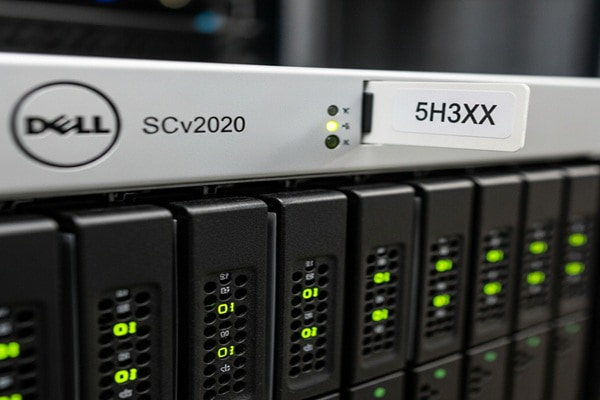
When IT teams look for a storage system that’s reliable, scalable, and budget-friendly, the Dell SCv2020 5H3XX quickly becomes part of the conversation. It delivers a blend of performance and practicality that fits organizations trying to balance tight budgets with big data demands. Many storage arrays promise flexibility and long-term value; this one consistently proves it through its thoughtful design and dependable performance.
This guide walks you through everything that makes the SCv2020 5H3XX stand out. You’ll find a clear explanation of how it works, the features that matter most, who it’s built for, and where it truly shines. If you’re considering this system for your infrastructure—or simply want to understand its capabilities—this breakdown gives you a full picture without the confusing technical jargon.
1. What Makes the Dell SCv2020 5H3XX Different?
The SCv2020 5H3XX belongs to Dell’s respected SC Series, a product line known for serving growing businesses that need dependable storage without jumping into high-end enterprise pricing. This particular model is designed with a sweet spot in mind: strong performance for common business workloads, enough flexibility to evolve with your environment, and a price point that keeps it attractive for mid-sized teams.
At first glance, it might seem like another compact 2U storage array. But once you look beneath the surface, you’ll see thoughtful engineering choices that support virtualization, database hosting, mixed workloads, and expansion. It’s built for teams that need something capable—but not unnecessarily complex.
Here’s what sets it apart:
-
Hybrid flexibility: Works smoothly with HDDs and SSDs in the same chassis.
-
Automated tiering: Places hot data on fast SSDs and cool data on cost-efficient drives.
-
High availability: Dual controllers help keep data accessible even during failures.
-
SAN-ready design: Fits neatly into storage-area-network environments.
The SCv2020 5H3XX is not the most advanced storage system Dell produces, but it carries enough enterprise-grade DNA to serve as a dependable long-term investment.
2. A Clear Look at Its Architecture and Capabilities
To understand how the SCv2020 5H3XX fits into an organization, it helps to look at its core specifications. These features shape how well it handles different workloads and how easily it adapts as your storage footprint grows.
Technical Highlights
| Specification | Details |
|---|---|
| Model | Dell SCv2020 5H3XX |
| Form Factor | 2U rack-mount |
| Max Capacity | Up to ~504 TB with expansion units |
| Drive Support | SSD, SAS HDD, NL-SAS HDD |
| Controllers | Dual, for redundancy |
| Connectivity | iSCSI or Fibre Channel |
| Tiering | Automated tiering across drive types |
| Snapshots | Fully supported with thin provisioning |
| Expansion | Multiple additional enclosures supported |
| Management | Dell Storage Manager (DSM) |
| Typical Uses | Virtualization, backups, databases, DR |
This configuration allows the system to support everything from primary workloads to secondary storage roles. It’s especially valuable for IT teams who want one system that can handle both performance-sensitive tasks and general capacity needs.
3. A Balanced Mix of Affordability and Enterprise Features
The SCv2020 5H3XX shines most in environments where you need solid performance—but don’t want to overspend on high-tier arrays that come with more capability than you’ll ever use. Dell intentionally designed this model to bring sophisticated options to smaller teams.
Why organizations appreciate it
• Automated tiering saves money
Instead of manually assigning SSDs to certain workloads, the system automatically moves data based on usage. Frequently accessed data lands on high-speed SSDs, while infrequently accessed data sits on slower drives. You get the speed where you need it and cost savings everywhere else.
• Strong virtualization support
It integrates smoothly with:
-
VMware
-
Hyper-V
-
Virtual desktop infrastructure (VDI)
Many SMBs rely heavily on virtual environments, and this compatibility reduces setup hassles.
• Simplified management
Dell Storage Manager gives administrators an easy way to oversee performance, configure volumes, review alerts, and adjust settings. The dashboard is clean enough for intermediate users but still powerful for advanced tasks.
• Predictable performance
With dual controllers and intelligent data placement, workloads stay responsive even when multiple applications run at the same time.
This combination of features helps the SCv2020 5H3XX punch above its weight, making it a reliable choice for teams aiming to upgrade aging infrastructure.
4. Realistic Limitations and What You Should Consider
No storage array is perfect for every situation. The SCv2020 5H3XX works best when deployed in the environments it was designed for. Understanding its limitations helps you decide whether it fits your long-term plans.
Not ideal for extremely heavy workloads
Massive enterprise environments with high-intensity AI workloads, heavy analytics, or extremely large database clusters may need something more powerful.
Licensing requirements
Some advanced features come with additional licensing. The base system delivers strong functionality, but planning for add-ons matters if you want the full feature set.
Works with cloud—but not cloud-native
It can integrate into hybrid strategies, but systems built specifically for multi-cloud workflows may offer tighter cloud compatibility.
Expansion requires planning
Although it grows well, improper planning can lead to bottlenecks. A structured roadmap for your storage expansion ensures the system stays efficient.
These considerations don’t reduce its value—they simply help clarify where it fits best.
5. Where the SCv2020 5H3XX Finds Its Place in Real Environments
One of the biggest strengths of this system is its adaptability. It supports a wide spectrum of industries, workloads, and IT strategies.
Common Use Cases
• Healthcare
Hospitals and clinics use it to store imaging files, patient records, and compliance-driven archives.
• Education
Schools and universities rely on it for virtual learning platforms, student databases, and departmental resources.
• Retail
It handles POS systems, customer information, and transaction logs with ease.
• Small to Medium Businesses
Perfect for mixed workloads such as email servers, ERP tools, and general corporate applications.
• Backup and disaster recovery
Its cost-efficient design makes it a practical secondary storage system for protecting mission-critical data.
Across these sectors, the SCv2020 5H3XX serves as a dependable middle ground—advanced enough to handle demanding operations, simple enough to manage, and flexible enough to evolve.
Also Read : Repmold: A Comprehensive Guide to Origins, Applications, Benefits, and Future Trends
6. Benefits vs. Limitations (Quick Comparison)
This table gives a straightforward look at the core advantages and areas where caution is needed.
| Benefits | Limitations |
|---|---|
| Enterprise-level features at accessible cost | May struggle with extremely heavy workloads |
| Supports expansion enclosures | Scaling requires careful planning |
| Virtualization-friendly | Licensing can increase total cost |
| Automated tiering improves performance | Not built as a cloud-native system |
| Easy-to-use management tools | Less suitable for very large enterprises |
This overview makes it easier to compare the SCv2020 5H3XX with other systems your organization may be considering.
7. The Broader Context and Future Relevance of the SCv2020 5H3XX
Even though Dell has newer storage models on the market, the SCv2020 5H3XX remains relevant for a large number of IT environments. Its strengths lie in helping organizations transition from older systems to modern, hybrid-ready architectures without overwhelming budgets or infrastructure.
Why it still matters
-
It supports a tiered storage approach, which has become essential as data volumes grow.
-
It acts as an on-premises anchor for organizations using cloud services in parallel.
-
It delivers predictable performance, which many businesses prefer over the volatility of cloud-only environments.
-
It remains a cost-effective entry point for teams upgrading legacy equipment.
The storage landscape continues to evolve, but reliable, flexible arrays like this one offer a stable foundation for many IT strategies.
Conclusion
The Dell SCv2020 5H3XX delivers far more value than its compact form suggests. It blends dependable performance with approachable pricing, making it a smart option for organizations that want enterprise-style functionality without stepping into high-tier storage investments. Its strengths—virtualization support, automated tiering, scalability, and easy management—make it especially appealing for IT teams building a resilient foundation for their operations.
While it’s not built for the heaviest workloads or cloud-native architectures, it fills a crucial role for small and mid-sized organizations that need flexible, long-lasting storage. Whether you’re supporting databases, virtual machines, backup systems, or departmental applications, this storage array offers the steady reliability and balanced performance that many environments depend on.
FAQs
1. What does the 5H3XX label represent?
It typically refers to a specific hardware configuration or variation within the SCv2020 product line.
2. Can the SCv2020 5H3XX work with cloud platforms?
It can complement cloud setups, but it doesn’t offer built-in cloud-native functionality. Hybrid integration usually requires third-party tools.
3. Is it suitable for virtualization?
Yes. It works smoothly with VMware, Hyper-V, and VDI environments, making it a strong option for virtualized infrastructures.
4. How much can it scale?
With expansion units, it can reach roughly 504 TB depending on drive choices and configurations.
5. Who benefits most from this system?
Small to medium organizations seeking reliable, scalable, and affordable storage without the complexity of high-end arrays.