
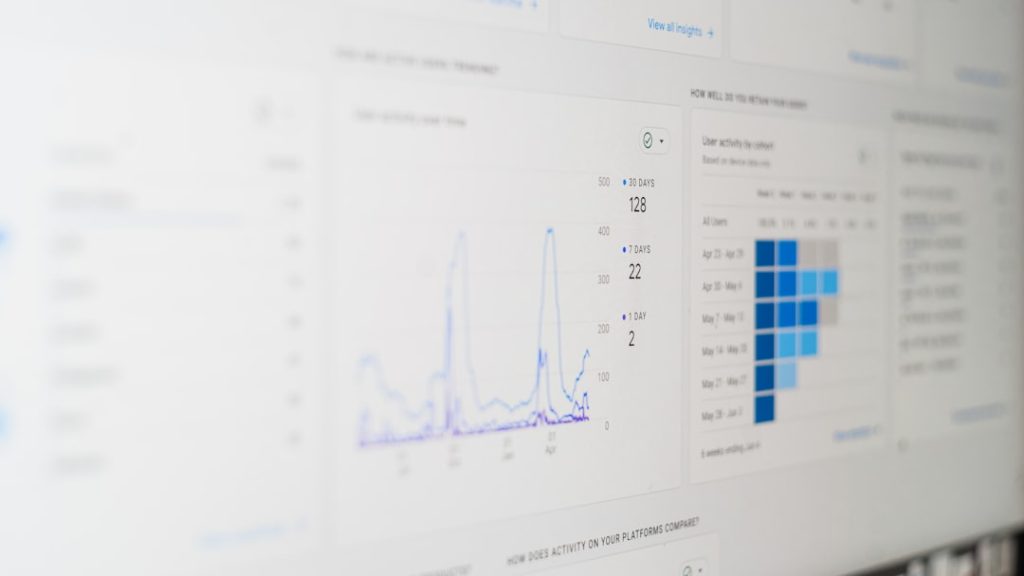
Disaggregated means split into smaller, clearer parts so each part can be measured, managed, replaced, or scaled on its own. In technology, the term appears in data analysis, cloud systems, networking, data centers, software design, and device telemetry.
TLDR: Disaggregated usually means that a system, dataset, or service has been broken apart instead of treated as one big block. For example, a retailer may split 2 million checkout records by device, city, product type, and hour, then find that mobile users in three cities have a 14% higher cart abandonment rate. That insight would stay hidden in an average report. The same idea applies to servers, routers, apps, and energy data: smaller parts give teams more control.
1. Disaggregated Data
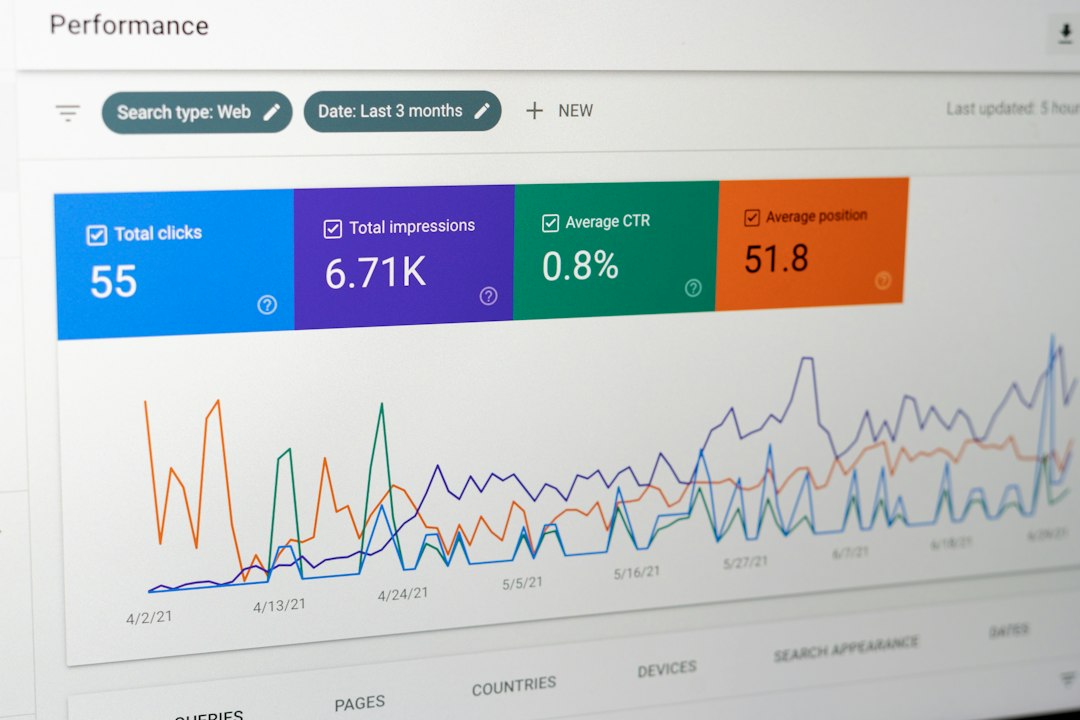
Disaggregated data is data separated into useful groups. Instead of showing one average number, it breaks results down by category, region, device, age group, plan type, product, time, or behavior.
A software company might report that customer satisfaction is 82%. That sounds fine. Then the data is disaggregated. Enterprise users may show 91% satisfaction, while trial users show 63%. That changes the story fast.
This use is common in analytics, public policy, healthcare, education, ecommerce, and product management. Aggregated data gives a broad view. Disaggregated data shows where the problem sits.
- Aggregated: Website conversion rate is 4.2%.
- Disaggregated: Desktop conversion is 6.1%, mobile conversion is 2.8%, and tablet conversion is 3.4%.
The catch is that disaggregated data can expose noise, gaps, and privacy risks. Small groups can be misleading if the sample size is tiny. Teams also need to protect personal information when breaking data into fine segments.
2. Disaggregated Infrastructure
In data centers, disaggregated infrastructure means compute, storage, memory, networking, and accelerators are treated as separate resource pools. Traditional servers bundle these parts together inside one box. If a workload needs more storage but not more CPU, the company may still need to buy another full server. That wastes money.
With a disaggregated model, systems can assign resources more precisely. A machine learning job may pull extra GPU capacity. A database may use more memory. A backup service may draw from a large storage pool.
This approach helps operators reduce idle hardware. It also supports high-density environments where every watt, rack unit, and cooling zone matters. It drives operations teams crazy when 40% of CPU sits unused because storage filled first. Disaggregation tries to stop that kind of mismatch.
3. Disaggregated Storage and Compute
Disaggregated storage and compute is a major design pattern in cloud databases, data warehouses, and analytics platforms. It separates the systems that process queries from the systems that store data.
Older database designs often tied compute and storage together. Scaling one meant scaling both. That could be expensive and clumsy. In a disaggregated setup, compute clusters can grow during peak query hours, then shrink when demand drops. Storage can keep growing without forcing more query servers to run.
This matters for teams that process uneven workloads. For example, a finance team may run heavy reports at 8 a.m. and 5 p.m., but very little in between. Paying for full compute power all day feels wasteful. Separate storage and compute can reduce that waste.
Common benefits include:
- Independent scaling of processing and storage.
- Lower idle cost when workloads are uneven.
- Faster recovery because storage is not trapped on one compute node.
- Better workload isolation for teams sharing the same data.
The downside is added complexity. Network speed, caching, metadata handling, and security controls must be tuned well. If not, a query that used to take 4 seconds may take 9 seconds because data has to move across services.
4. Disaggregated Networking
In networking, disaggregated usually means separating hardware from software. A traditional network device may come as a closed bundle: vendor hardware, vendor operating system, vendor management tools, and vendor support. Disaggregated networking breaks that bundle apart.
A company may buy standard switching hardware from one supplier and run network software from another. Telecom operators also use this idea in Open RAN, where radio access network components are split into open, replaceable functions.
This can reduce vendor lock-in. It can also speed up upgrades. If one part fails to meet requirements, it can be replaced without throwing out the whole system.
Still, it is not magic. Compatibility testing becomes a real job. Support calls can get messy because one vendor may blame another. Honestly, that part gets old fast when an outage adds 20 minutes of finger-pointing before anyone checks the actual packet loss.
Image not found in postmeta5. Disaggregated Applications
Disaggregated applications are software systems split into smaller services, modules, or components. This meaning overlaps with microservices, composable architecture, headless commerce, and API-first design.
Instead of one large application handling payments, search, login, inventory, content, reporting, and notifications, each function can run as a separate service. A team can update the search service without redeploying the whole product. The payments service can be isolated for security. The reporting layer can scale on its own during monthly close.
This model helps larger teams move faster. Each service has a clear owner. Bugs can be contained. Releases can be smaller.
But there is a tradeoff. More parts mean more service calls, logs, permissions, contracts, tests, and failure points. A simple user action may touch eight services. If one times out, the whole experience may feel broken. Disaggregation gives control, but it demands strong observability and disciplined engineering.
6. Disaggregated Device and Energy Data
Another common use appears in IoT, smart homes, manufacturing, and energy monitoring. Disaggregated device data means splitting total readings into the activity of individual devices, machines, rooms, lines, or components.
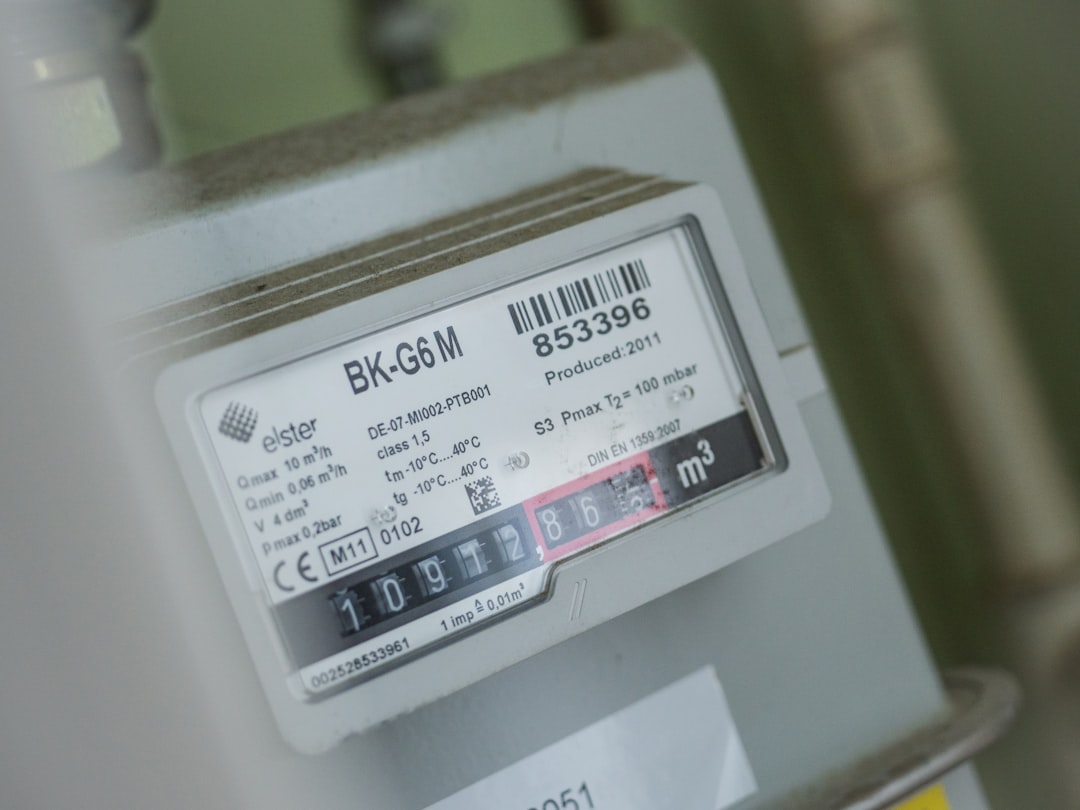
For example, a smart meter may show that a building used 1,200 kWh in a week. Disaggregated energy analysis may estimate that HVAC used 46%, lighting used 18%, refrigeration used 22%, and office equipment used 14%. That is much more useful than one total number.
Factories use similar methods. A production line may appear healthy in total output, but disaggregated sensor data can show that one motor is drawing 12% more power than usual. That may warn maintenance teams before a shutdown occurs.
This use depends on sensors, time-series data, pattern recognition, and sometimes machine learning. Accuracy can vary. Device signatures may overlap. Older equipment may produce messy readings. Even so, disaggregated telemetry can turn vague usage data into specific action.
Why the Term Matters
The word disaggregated signals a shift from broad control to precise control. It asks one simple question: What happens if this large thing is split into parts?
That question can improve reports, reduce infrastructure waste, cut vendor dependency, and make software easier to change. It can also create new problems. More parts need stronger governance. More segments need better privacy rules. More services need better monitoring.
The best use of disaggregation is practical. It should reveal something useful, lower cost, improve performance, or reduce risk. If splitting a system only creates more meetings, dashboards, and alerts, it may not be worth it.
FAQ
What does disaggregated mean in simple terms?
It means broken into smaller parts. In technology, that may refer to data, hardware, software, networks, storage, compute, or device readings.
What is the difference between aggregated and disaggregated data?
Aggregated data combines values into a summary, such as one average score. Disaggregated data separates that score into groups, such as region, device type, customer tier, or time period.
Is disaggregated infrastructure the same as cloud computing?
Not exactly. Cloud systems often use disaggregated designs, but the terms are not identical. Disaggregated infrastructure refers to separated resource pools. Cloud computing refers to on-demand access to computing services.
Why do companies use disaggregated networking?
They use it to separate network hardware from software, reduce lock-in, and choose components from different suppliers. It can create flexibility, but it also requires careful testing and support planning.
What is a common risk of disaggregation?
The main risk is complexity. More parts mean more connections, rules, monitoring needs, and failure points. A disaggregated system must be managed with clear ownership and strong tooling.