
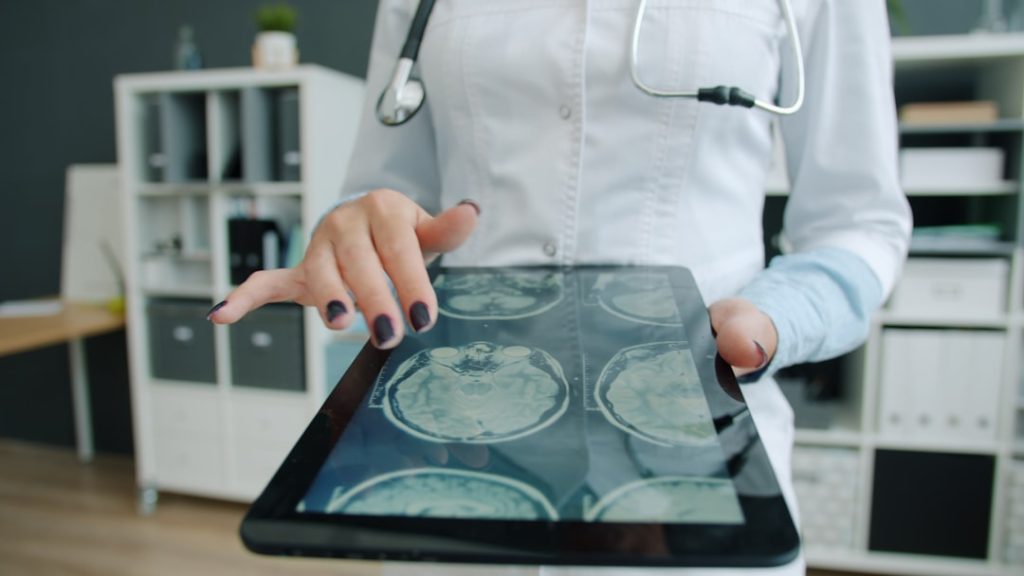
Hospitals are not just about white coats and stethoscopes anymore. They are powered by smart software, fast data, and connected devices. Technology is now at the heart of patient care. And the pace of change is exciting. Let’s explore the biggest hospital software trends that are shaping the future of healthcare.
TLDR: Hospital software is getting smarter, faster, and more connected. Artificial intelligence, cloud systems, telehealth, and data analytics are leading the charge. These tools help doctors make better decisions and improve patient care. Hospitals that adapt quickly will stay ahead.
1. AI-Powered Clinical Decision Support
Artificial Intelligence (AI) is no longer science fiction. It is now helping doctors every day. AI software can scan thousands of records in seconds. It spots patterns humans might miss.
Here’s what AI can do:
- Predict patient risks
- Suggest possible diagnoses
- Recommend treatment plans
- Flag abnormal lab results
This does not replace doctors. It supports them. Think of it as a smart assistant that never sleeps.
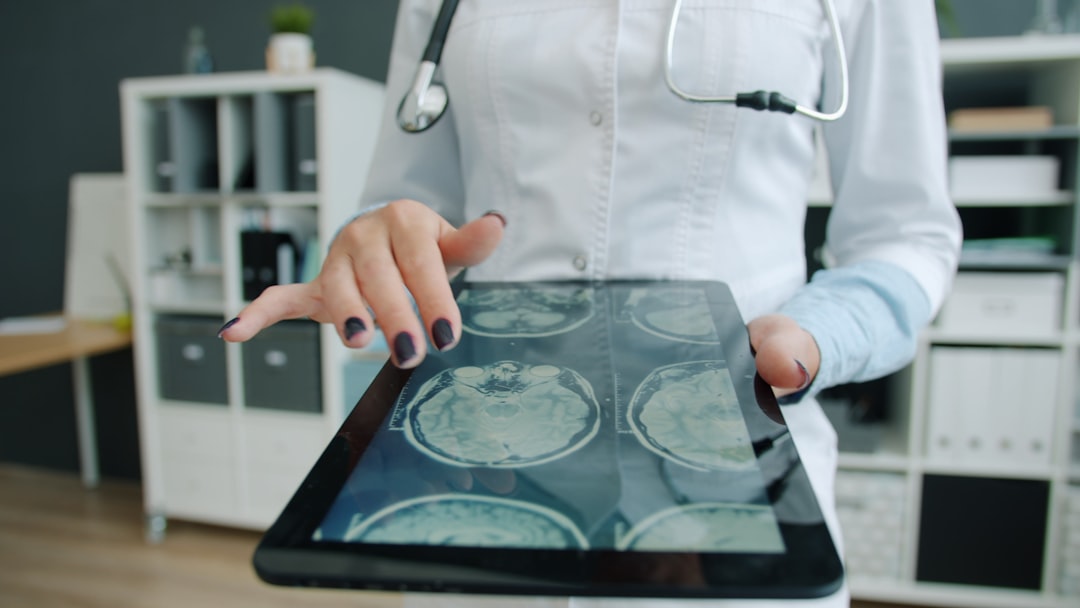
Why it matters: Faster decisions. Fewer errors. Better outcomes.
2. Cloud-Based Hospital Systems
Old hospital systems were clunky. They lived on local servers. They were expensive to maintain.
Now, hospitals are moving to the cloud.
Cloud-based systems allow:
- Access from anywhere
- Real-time updates
- Easier scalability
- Automatic backups
This is huge for multi-location hospitals. Staff can log in from different buildings. Or even from home.
Bonus: IT teams spend less time fixing hardware and more time improving services.
3. Telehealth Integration
Telehealth exploded in recent years. And it is here to stay.
Modern hospital software now includes built-in telehealth features. No more patchwork systems. Everything is connected.
Key features include:
- Video consultations
- Remote patient monitoring
- Secure messaging
- Online appointment scheduling

Patients love the convenience. Doctors love the flexibility. Hospitals love the increased reach.
Result: Better access to care. Especially for rural areas.
4. Interoperability and Data Sharing
Hospitals used to struggle with data silos. One system for labs. Another for billing. Another for imaging.
It was messy.
Now, interoperability is a top priority. This means systems can talk to each other.
Benefits include:
- Complete patient records in one place
- Faster emergency response
- Fewer duplicate tests
- Better care coordination
Standards like FHIR are making this possible. Data moves smoothly between platforms.
Think of it as translating different languages into one universal voice.
5. Advanced Data Analytics
Hospitals collect massive amounts of data. But data alone is not helpful. Insights are.
Advanced analytics tools turn raw numbers into clear visuals.
Hospital leaders can now:
- Track patient flow
- Predict bed occupancy
- Monitor staff performance
- Identify cost-saving opportunities
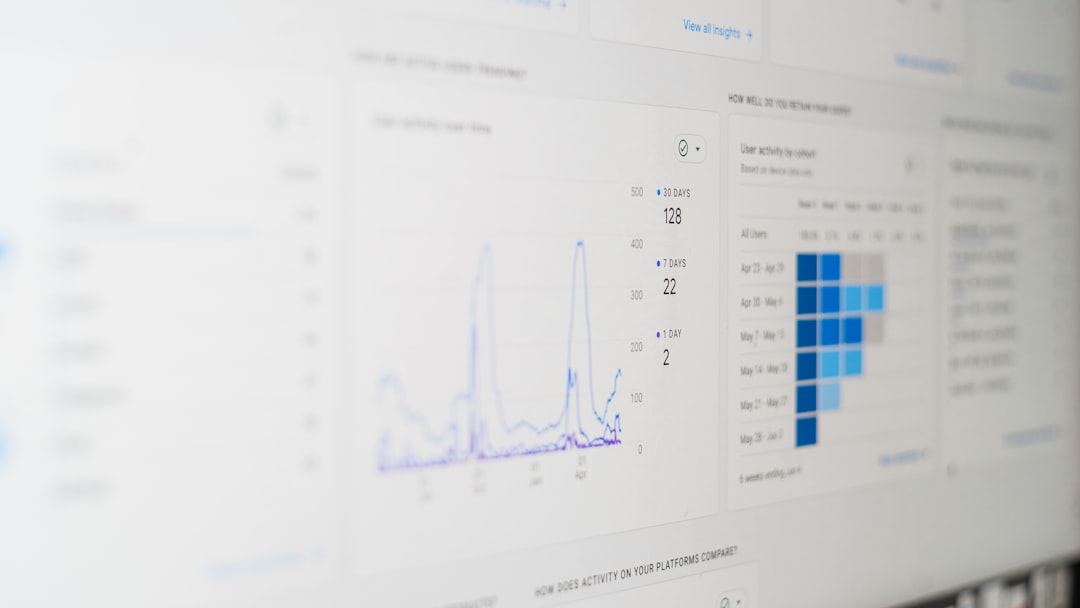
With smart dashboards, decisions become evidence-based. Not guess-based.
Impact: Improved efficiency and lower operational costs.
6. Cybersecurity Upgrades
Healthcare data is sensitive. Very sensitive.
Hackers know this. That’s why cybersecurity is a major hospital software trend.
Modern systems now include:
- Multi-factor authentication
- End-to-end encryption
- Real-time threat detection
- Automated security updates
Some hospitals are even using AI to detect unusual login behavior.
The goal? Protect patient privacy at all costs.
7. Electronic Health Records Evolution
Electronic Health Records (EHRs) are not new. But they are evolving quickly.
Modern EHR systems are:
- More user-friendly
- Voice-enabled
- Mobile-accessible
- Integrated with wearable devices
Doctors can now use voice dictation. Notes are transcribed automatically.
This saves time. And reduces burnout.
Future direction: Predictive EHRs that suggest preventive care actions.
8. Automation of Administrative Tasks
Hospitals have tons of paperwork. Billing. Scheduling. Insurance claims.
Robotic Process Automation (RPA) is stepping in.
It can:
- Verify insurance details
- Process claims
- Send payment reminders
- Manage appointment confirmations
This reduces manual errors. And speeds up revenue cycles.
Staff can focus more on patient care. Less on paperwork.
9. Wearable and IoT Integration
Wearables are everywhere. Smartwatches. Heart monitors. Glucose sensors.
Hospital software is now integrating with these devices.
This allows:
- Continuous patient monitoring
- Early detection of complications
- Better post-surgery follow-up
- Improved chronic disease management
Doctors receive alerts when something goes wrong.
That can literally save lives.
10. Patient Portals and Experience Platforms
Patients expect digital convenience. Just like online shopping.
Modern hospital software includes robust patient portals.
Features often include:
- Access to medical records
- Online bill payments
- Prescription refill requests
- Secure communication with providers
Some platforms even include chatbots. They answer basic questions 24/7.
Happy patients leave better reviews. And follow treatment plans more closely.
Comparison Chart of Key Hospital Software Trends
| Trend | Main Benefit | Primary Users | Impact Level |
|---|---|---|---|
| AI Clinical Support | Improved diagnoses | Doctors | Very High |
| Cloud Systems | Remote access | IT and Admin | High |
| Telehealth | Expanded access | Doctors and Patients | Very High |
| Advanced Analytics | Data-driven decisions | Executives | High |
| Automation | Reduced admin workload | Administrative Staff | Medium to High |
| Wearable Integration | Continuous monitoring | Doctors and Patients | High |
What This Means for Hospitals
Adopting new software is not just about staying trendy. It is about survival. Healthcare is competitive. Margins are tight.
Hospitals that invest in smart systems will:
- Reduce operational costs
- Improve patient satisfaction
- Lower error rates
- Boost staff productivity
But change also requires planning.
Key steps include:
- Staff training
- Clear cybersecurity policies
- Vendor evaluation
- Regular system updates
Technology alone is not enough. People must know how to use it.
Looking Ahead
The future of hospital software looks exciting. Expect more AI. More automation. More personalization.
Imagine hospitals where:
- Software predicts illness before symptoms appear
- Robots assist in surgeries guided by real-time data
- Patients manage most care from home
This is not decades away. It is already starting.
Hospital software trends are reshaping care. Making it smarter. Faster. Safer.
And at the center of it all is one simple goal: better patient outcomes.
Technology is the tool. Compassion is still the heart. When both work together, healthcare wins.