

Successful mobile apps are rarely profitable by accident. Revenue comes from a clear business model, disciplined product decisions, and a careful balance between user value and monetization pressure. Whether you are building a consumer app, a productivity tool, a marketplace, or a niche B2B solution, the most important question is not simply “How will we make money?” but “Why will users continue to pay, engage, or transact through this product?”
TLDR: A revenue-generating mobile app starts with a strong user problem, not with ads or paywalls. The best monetization strategy depends on your audience, usage frequency, value delivered, and market expectations. Sustainable app revenue usually comes from testing multiple models, measuring retention, and improving the product before increasing monetization pressure.
Start With the Economics Before You Build
Before selecting a monetization model, define the basic economics of the app. This includes your expected development cost, maintenance budget, customer acquisition cost, average revenue per user, the difference between revenue vs net revenue after fees and expenses, and your payback period. Without these numbers, it is easy to build an attractive app that generates revenue but ultimately cannot become profitable.
A serious mobile app strategy should answer the following questions:
- Who is the target user? Define the audience precisely, including their needs, income level, habits, and willingness to pay.
- How often will they use the app? Daily-use apps support different monetization models than occasional-use tools.
- What measurable value does the app provide? Apps that save time, reduce costs, improve health, or support business outcomes can often charge more.
- How expensive is it to acquire a user? Paid advertising can quickly destroy profitability if lifetime value is weak.

Choose a Monetization Strategy That Matches User Behavior
There is no universally best monetization model. A strategy that works for a meditation app may fail for a local delivery platform, and a model that works in one country may perform poorly in another. The key is alignment between user expectations and the value exchange.
1. Freemium Model
The freemium model allows users to access a basic version of the app for free while charging for premium features, expanded limits, or advanced functionality. This is one of the most common strategies because it reduces adoption friction and lets users experience value before paying.
Freemium works best when the free version is useful enough to build trust, but limited enough to create a natural reason to upgrade. Examples include cloud storage limits, premium templates, advanced analytics, offline access, or professional tools. The mistake many teams make is either giving away too much or making the free version so weak that users leave before discovering the app’s value.
2. Subscription Revenue
Subscriptions are attractive because they create predictable recurring revenue. They are especially effective for apps that provide ongoing value, such as fitness coaching, language learning, financial tracking, content libraries, business productivity, or professional education.
However, users are increasingly selective about subscriptions. To succeed, the app must justify repeated payment through fresh content, continuous utility, personalization, or measurable progress. A subscription should not feel like a fee for accessing a static product; it should feel like an ongoing service.
Common subscription tactics include monthly and annual plans, free trials, introductory pricing, and tiered access. Annual plans can improve cash flow, but only if users trust the product. Short trials can increase conversions, while longer trials may help users experience deeper value.
3. In-App Purchases
In-app purchases are suitable when users want optional enhancements rather than a full subscription. This approach is common in gaming, digital creativity tools, education apps, and lifestyle products. Purchases may include virtual goods, credits, extra lessons, filters, boosts, reports, or one-time feature unlocks.
The ethical challenge is important. In-app purchases should be transparent and should not exploit confusion, urgency, or vulnerable users. Long-term revenue depends on trust, especially if your app serves children, health-related needs, or financial decisions.
4. Advertising
Advertising can work when the app has large user volume, frequent sessions, and strong engagement. News apps, casual games, entertainment platforms, and utility apps often use ads to monetize users who are unlikely to pay directly.
Still, ads are not free money. Poorly placed ads damage retention, slow the experience, and weaken brand perception. Interstitial ads, rewarded videos, banners, and native ads should be tested carefully. A small decline in user retention can offset any short-term advertising gain.
5. Transaction Fees and Marketplaces
If your app enables transactions between buyers and sellers, a commission-based model may be appropriate. Marketplaces, booking platforms, delivery apps, creator platforms, and service apps often take a percentage of each successful transaction.
This model can scale well, but it is operationally demanding. You must solve supply, demand, trust, payments, disputes, fraud prevention, and customer support. The app is not just software; it becomes a managed ecosystem. For that reason, transaction-based apps usually require stronger operational planning than simple content or utility apps.
6. Paid Apps
Charging users upfront can still work, but it is harder than it used to be. Consumers are accustomed to free downloads, and app stores are crowded with alternatives. A paid model is most realistic when the app has a clear professional use case, strong reputation, unique functionality, or a loyal audience from another channel.
Paid apps benefit from simplicity: users pay once and access the product. However, this model may limit growth and does not always provide enough revenue for ongoing updates. Some developers combine an upfront price with optional premium add-ons, but this must be communicated clearly.
Prioritize Retention Before Monetization Pressure
Many apps fail because they try to monetize too aggressively before proving retention. If users do not return, no pricing model will save the product. Retention shows that the app has become useful, habitual, or valuable enough to remain part of someone’s routine.
Track metrics such as day one, day seven, and day thirty retention. Also monitor session frequency, feature usage, churn reasons, and customer support feedback. These indicators reveal whether users understand the app and whether they find enough value to continue.
For example, if most users leave after onboarding, the problem may not be pricing. It may be unclear positioning, weak activation, technical friction, or lack of immediate value. Fixing these issues often improves revenue more than adding another paywall.
Design Pricing Around Value, Not Guesswork
Pricing should be based on perceived value, competitive alternatives, customer segment, and willingness to pay. A simple approach is to develop several pricing hypotheses and test them through surveys, landing pages, beta groups, or controlled in-app experiments.
Consider offering multiple tiers:
- Free: Basic access for discovery and trust building.
- Standard: Core premium features for regular users.
- Professional: Advanced tools, higher limits, or business functionality.
Tiered pricing helps separate casual users from serious users. It also prevents undercharging customers who receive significant value from the product. However, pricing pages and upgrade screens must be clear. Confusing pricing creates hesitation and support issues.
Build Trust Into the Revenue Experience
Trust directly affects conversion. Users are more likely to pay when they understand what they are getting, how billing works, and how to cancel. Use plain language for subscriptions, renewal terms, refunds, and limitations. Avoid manipulative design patterns that trick users into purchases or make cancellation difficult.
Security also matters. If your app handles payments, personal data, health information, or business records, invest in strong privacy practices, secure authentication, and compliance where required. A single trust failure can permanently damage revenue potential.

Use Analytics to Improve Revenue Over Time
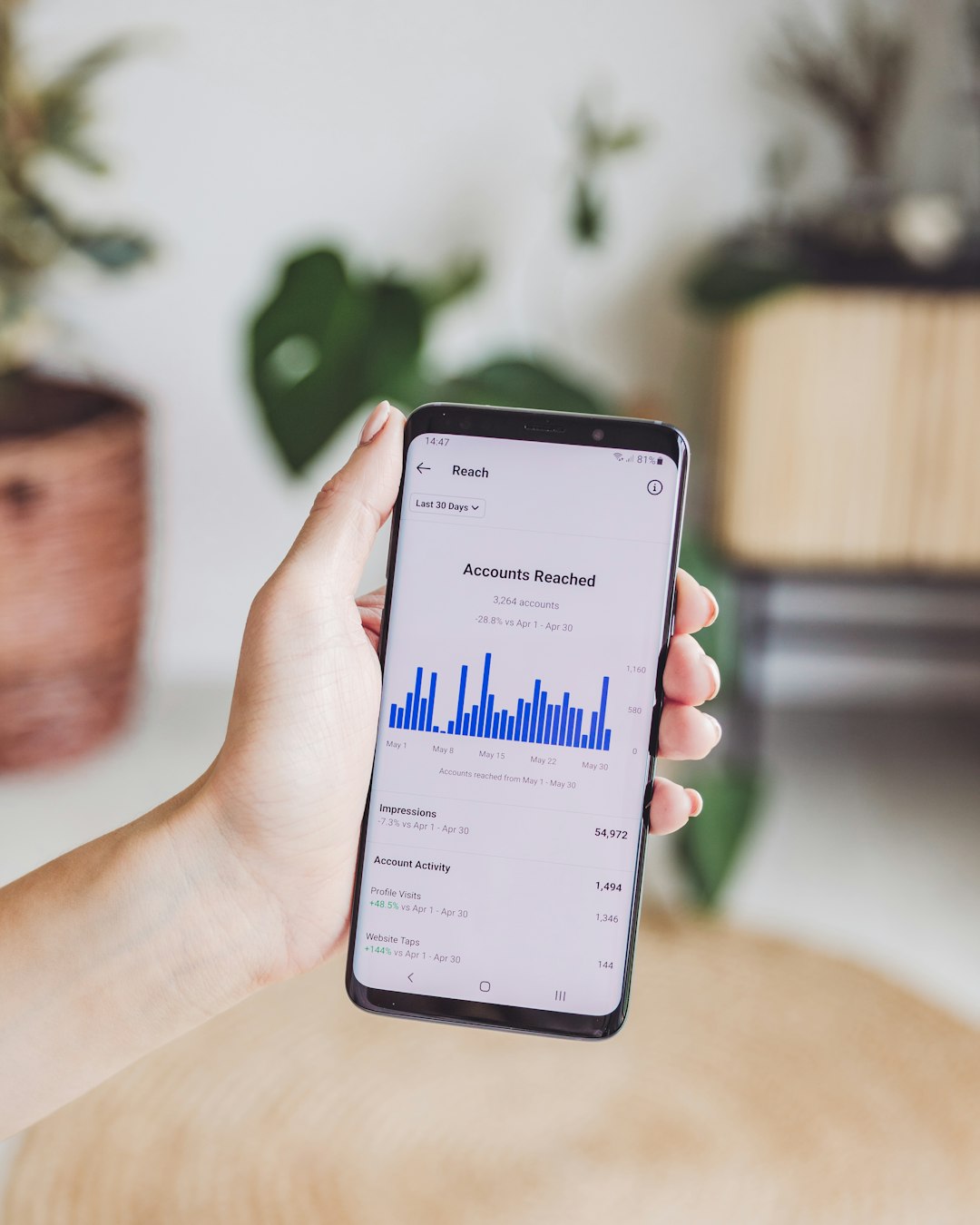
Revenue optimization is an ongoing process. Set up analytics from the beginning, not after launch. Track acquisition sources, onboarding completion, conversion rates, upgrade triggers, churn, refund rates, and lifetime value. These metrics help you understand which users are profitable and which features drive purchasing decisions.
A/B testing can be useful, but it should be focused and ethical. Test pricing layouts, trial lengths, upgrade prompts, feature packaging, and onboarding flows. Avoid changing too many variables at once, or you will not know what caused the result.
Conclusion
Developing a mobile app that generates revenue requires more than choosing a monetization method. It requires a product users value, a business model that fits their behavior, pricing that reflects real benefits, and a trustworthy experience from download to payment. The most reliable path is to launch with a clear hypothesis, measure honestly, improve retention, and monetize in a way that supports long-term user relationships. Apps that respect users while delivering consistent value are the ones most likely to build sustainable revenue.