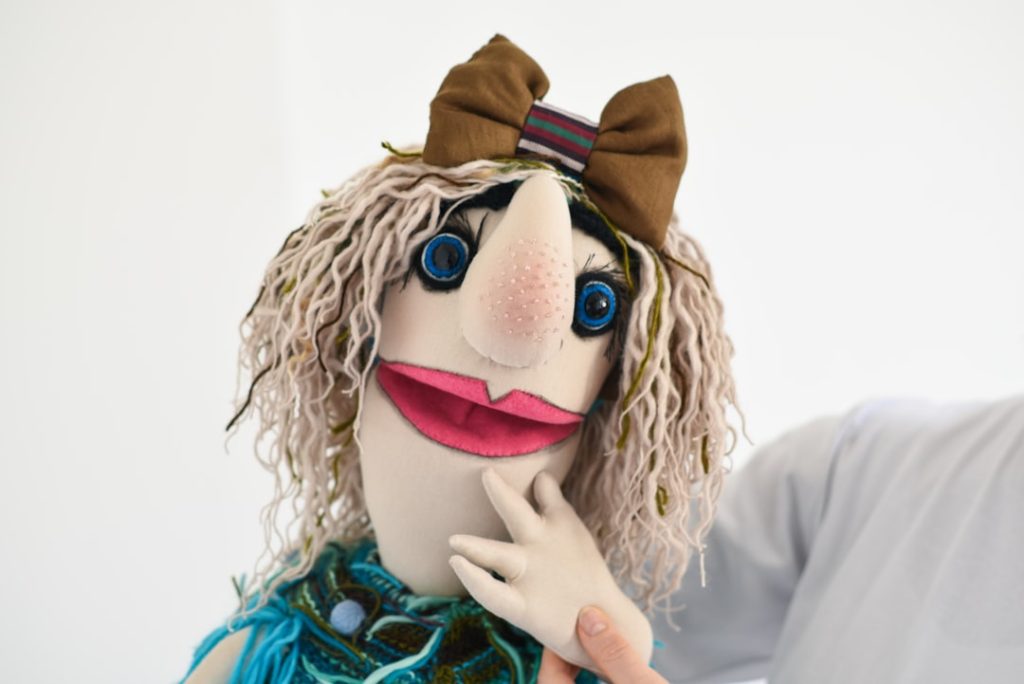
Choosing a puppet’s name is one of the first steps in turning fabric, foam, felt, wood, or clay into a believable character. A strong name can suggest personality, voice, age, humor, history, and even the type of stories the puppet belongs in. Whether the puppet is meant for a classroom, stage show, video series, party performance, or family entertainment, the right name helps audiences remember the character long after the curtain closes.
TLDR: Puppet names should be memorable, easy to say, and matched to the character’s personality. A funny puppet may need a playful name, while a wise or mysterious puppet may benefit from something more elegant or unusual. The best names often come from combining appearance, voice, role, backstory, and audience age. This guide offers creative naming methods, themed name ideas, and practical tips for choosing a puppet name that feels alive.
Why Puppet Names Matter
A puppet’s name is more than a label. It is often the first clue an audience receives about who the character is. A name like Professor Wobblewick immediately suggests an eccentric teacher, while Pip Button feels small, cheerful, and childlike. In children’s entertainment, names must be clear and repeatable. In comedy, they may be silly or exaggerated. In fantasy or theater, they might sound poetic, strange, or grand.
Great puppet names also help performers stay consistent. When a character has a fitting name, it becomes easier to choose a voice, posture, movement style, and emotional tone. A puppet named Granny Maple may naturally move slowly and speak warmly, while Ziggy Sparks may bounce, interrupt, and react with comic energy.
Qualities of a Memorable Puppet Name
The most effective puppet names usually share several qualities. They are simple enough to remember but distinctive enough to stand apart. They also match the puppet’s visual design, role, and audience.
- Easy pronunciation: Audiences should be able to say the name after hearing it once or twice.
- Distinct sound: Names with rhythm, rhyme, or alliteration often stick in memory.
- Character fit: The name should match the puppet’s personality, appearance, and story purpose.
- Emotional tone: A name may sound funny, sweet, spooky, elegant, grumpy, or heroic.
- Performance flexibility: The name should still work as the puppet grows into new sketches or episodes.
Alliteration is especially useful for puppet names. Names such as Molly Moonbeam, Benny Bubble, and Felix Fuzz are fun to hear and easy to repeat. Rhyming names can also work well, though they should be used carefully to avoid sounding too forced.
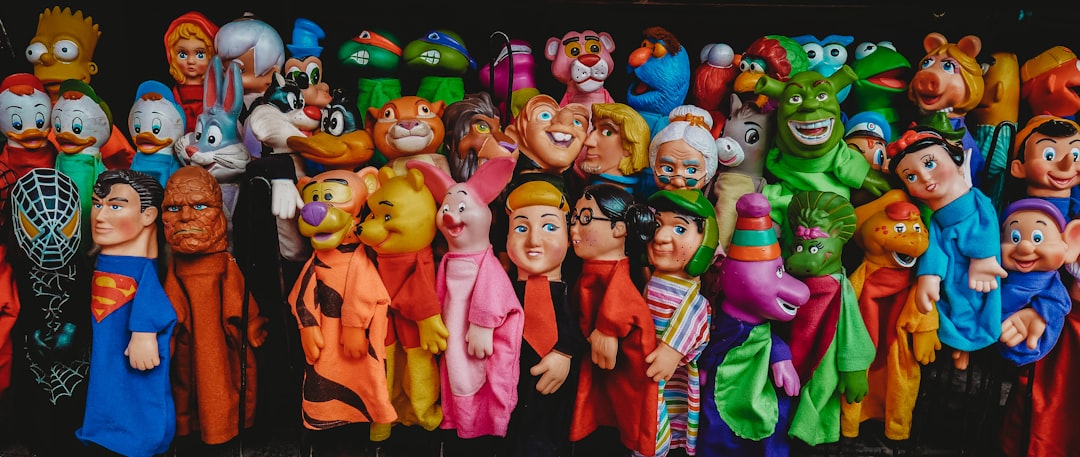
Naming a Puppet by Personality
One of the simplest methods is to begin with personality. The creator can list traits first, then search for names that match those traits. A shy puppet may need a soft, gentle name. A loud puppet may need something bold and bouncy. A clever puppet may sound sharp, quick, or slightly formal.
Funny and Silly Puppet Names
Comedy puppets often benefit from exaggerated or unexpected names. These names work well for slapstick characters, classroom mascots, and energetic sidekicks.
- Noodle McGiggles
- Bongo Picklepop
- Wally Wobble
- Fizzbert Flump
- Pickles O’Puff
- Dizzy Doodle
- Snorky Beans
- Jellybean Jones
These names create instant expectations. A puppet called Noodle McGiggles is unlikely to be serious or mysterious. Instead, the audience expects chaos, jokes, and a playful personality.
Sweet and Friendly Puppet Names
For preschool shows, library story time, comforting educational content, or gentle family performances, softer names may be more effective. These names often use warm vowel sounds and familiar words.
- Lulu Sprout
- Mimi Meadow
- Toby Tumbles
- Rosie Ribbon
- Benji Button
- Coco Cuddles
- Penny Patches
- Sunny Belle
Names like these feel approachable. They are useful for puppets who teach kindness, manners, reading, sharing, or emotional awareness.
Grumpy or Mischievous Puppet Names
Not every puppet needs to be sweet. Some of the most entertaining puppet characters are cranky, sarcastic, dramatic, or mischievous. A strong grumpy name can make the character fun without making the puppet seem unpleasant.
- Grumble Gus
- Martha Mutter
- Cranky Clyde
- Ollie Oops
- Scratchy Sam
- Vera Vinegar
- Snip Snapley
- Moody Mabel
These names make flaws feel theatrical rather than negative. A puppet named Vera Vinegar may complain often, but the name signals that her grumpiness is part of the fun.
Naming a Puppet by Appearance
A puppet’s color, shape, materials, and features can inspire excellent names. A fuzzy blue monster may call for a different style than a wooden marionette, a sock puppet, or a tiny felt bird. Appearance-based names are especially helpful when the puppet has a standout feature.
- Blue or purple puppets: Indigo, Bluebell, Violet, Plum, Periwinkle, Berry
- Fuzzy puppets: Fuzzby, Fluffo, Tufty, Shaggy, Puff, Fleece
- Tall puppets: Stretch, Lanky Lou, Tower Tom, Tallulah, Stilts
- Small puppets: Pip, Pebble, Bitty, Mini Max, Dot, Button
- Animal puppets: Whiskers, Beaky, Trotter, Hopper, Paws, Featherby
A name does not need to describe the puppet literally, but a small visual connection helps audiences make sense of the character. A red dragon named Ember or a sleepy sheep named Woolly Wink feels naturally complete.
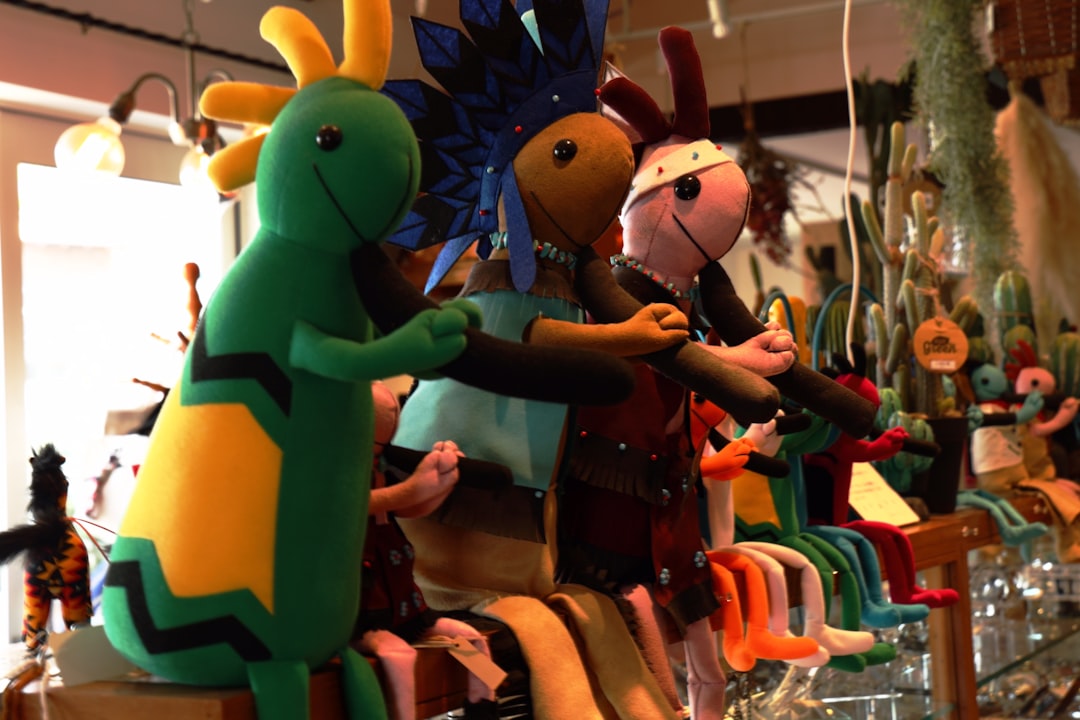
Names for Animal Puppets
Animal puppets are popular because they provide immediate personality cues. A fox may be clever, a bear may be gentle, a bird may be chatty, and a turtle may be patient. Names can play into these expectations or cleverly reverse them.
Dog Puppet Names
- Biscuit
- Rufus Wigglepaw
- Scout
- Barker Bean
- Noodle Paws
Cat Puppet Names
- Miss Whiskerly
- Velvet
- Pounce
- Sir Meowford
- Tabitha Tails
Bird Puppet Names
- Chirpy Cheep
- Professor Plume
- Beaky Blue
- Feather Finn
- Polly Peppers
Monster Puppet Names
Monster puppets offer the greatest freedom. They can be scary, silly, lovable, strange, or all of those at once. Their names can be invented words, sound effects, or playful combinations.
- Gromp
- Fizzlefang
- Bloop
- Moggy Munch
- Zabba
- Snugglegrub
For younger audiences, monster names usually work best when they sound more funny than frightening. Snugglegrub feels like a monster who needs a friend, while Fizzlefang suggests a slightly mischievous creature with comic bite.
Names for Educational Puppets
Educational puppets often appear in classrooms, libraries, museums, churches, and online learning programs. Their names should support their role without sounding too stiff. A science puppet, for example, can have a name that hints at curiosity and discovery.
- Professor Pebble for a science or nature puppet
- Captain Comma for a grammar helper
- Maxie Mathwell for a math guide
- Libby Lark for a reading companion
- Dr. Doodleton for an art instructor
- Scout Sprout for environmental lessons
- Harmony Hummingbird for music education
These names give the puppet a clear function while keeping the mood light. A classroom puppet should feel like a helper, not a textbook. The most successful educational puppet names sound intelligent, warm, and slightly playful.
Fantasy and Storybook Puppet Names
Some puppets belong in fairy tales, fantasy adventures, or theatrical stories. These characters may need names that sound magical, ancient, royal, or poetic. Longer names can work well here, especially when shortened into nicknames during performance.
- Eldora Moonwhisper
- Finwick Thistlethorn
- Queen Maribelle of Mossgrove
- Orin Starling
- Willow Wisp
- Bramble Bright
- Sir Cedric Candlewick
- Nimble Nix
Fantasy names should be tested aloud. A beautiful written name may become awkward if the performer must repeat it quickly. A useful approach is to create a formal name and a short stage name. For example, Sir Cedric Candlewick might simply be called Cedric during most scenes.
Image not found in postmetaHow to Create Original Puppet Names
Original puppet names often come from mixing familiar words in unusual ways. A creator may combine an object, a sound, a personality trait, and a traditional name. This method produces names that feel fresh while remaining understandable.
- Start with traits: List words such as curious, sleepy, brave, bossy, gentle, dramatic, or sneaky.
- Add visual clues: Consider color, size, fabric, hair, eyes, nose, or costume.
- Choose a sound style: Soft names use sounds like L, M, and S; comic names often use B, P, G, and K.
- Mix real and invented words: Names like Pip Fuzzle or Clara Cloudtop feel both clear and imaginative.
- Say the name aloud: A good puppet name must work in performance, not just on paper.
This process can turn a vague idea into a stage-ready identity. A small green puppet with a nervous voice could become Pickle Pip, Fern Fidget, or Tiny Moss. Each name points the performer toward a slightly different character.
Matching Names to Audience Age
Audience age affects naming choices. Very young children respond well to short names with repetition, rhyme, and bright sounds. Older children may enjoy clever puns, dramatic titles, and unusual combinations. Adult audiences may appreciate irony, wordplay, or more subtle names.
- Preschool audiences: Pip, Lulu, Coco, Bobo, Mimi, Tilly
- Elementary audiences: Ziggy Sparks, Captain Quirk, Bella Bounce, Marvin Moon
- Teen audiences: Ash, Nova, Jinx, Rook, Echo, Vesper
- Adult audiences: Milton Moth, Agnes Threadwell, Victor Velvet, Dolores Drape
A puppet does not need a complicated name to appeal to older viewers. In many cases, a simple name paired with a complex personality is more powerful. However, the name should never feel too babyish for the intended audience unless that contrast is part of the joke.
Common Naming Mistakes to Avoid
Even creative names can cause problems if they are too long, too similar to other characters, or difficult to pronounce. A puppet cast should have names that sound distinct from one another. If one show includes Benny, Billy, and Bobby, audiences may become confused.
- Avoid overly complicated spelling: A name should not require constant explanation.
- Avoid names that do not fit the voice: A deep-voiced giant may not suit a tiny, delicate name unless used for humor.
- Avoid accidental associations: Names should be checked for unintended meanings or famous references.
- Avoid copying well-known puppet names: Originality helps the character stand apart.
- Avoid limiting the character too much: A name like Math Monster may become restrictive if the puppet later appears in stories beyond math lessons.
Quick Name Inspiration Lists
When a creator needs fast inspiration, themed lists can help spark ideas. The following names can be used directly or adapted into new combinations.
Playful Names
- Zippy
- Bumble
- Pogo
- Tater Tot
- Wiggles
Elegant Names
- Clara Velvet
- Edmund Lace
- Viola Moon
- Lucien Thread
- Arabella Bloom
Adventure Names
- Ranger Roo
- Mira Mapwise
- Dash Daring
- Scout Lantern
- Felix Faraway
Final Thoughts
The best puppet names feel as if they could not belong to anyone else. They connect the puppet’s look, voice, behavior, and story role into one memorable identity. A strong name can be funny, gentle, strange, grand, or simple, but it should always serve the character. When a puppet’s name makes performers smile and audiences remember it, the character has already begun to come alive.
FAQ
What makes a good puppet name?
A good puppet name is easy to pronounce, memorable, and suited to the character’s personality. It should sound natural when spoken aloud during a performance.
Should a puppet name be funny?
Not always. Funny names work well for comedy and children’s entertainment, but serious, magical, educational, or elegant puppets may need names with a different tone.
How long should a puppet name be?
Short names are often best for young audiences. Longer names can work for fantasy, theater, or comedy, especially if the character also has a shorter nickname.
Can a puppet have a human name?
Yes. Human names such as Frank, Mabel, Rosie, or Oliver can make a puppet feel familiar and relatable. Adding a descriptive surname can make the name more distinctive.
How can a creator know if a puppet name works?
The name should be tested out loud in sample lines, introductions, jokes, and songs. If it is easy to say, fits the voice, and helps define the character, it is likely a strong choice.