
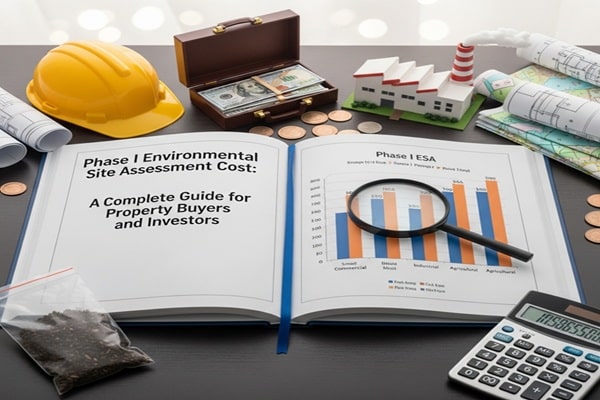
When you’re thinking about buying a piece of property—commercial space, industrial land, or even a quiet empty lot—there’s one step you should never skip: a Phase 1 Environmental Site Assessment, commonly called a Phase 1 ESA. It’s the first layer of environmental due diligence, and it can save you from walking into a financial headache you never saw coming.
A Phase 1 ESA helps uncover potential contamination risks tied to a property’s past or current activities. Lenders, developers, and experienced investors rely on these assessments because they expose issues long before money changes hands. And yes, one of the biggest questions people ask is: How much does a Phase 1 ESA cost?
This guide breaks everything down in a friendly, straightforward way—what the assessment includes, what affects the price, typical cost ranges, and why it’s worth every penny. If you’ve ever felt unsure about environmental due diligence, consider this your clear and complete roadmap.
What Exactly Is a Phase 1 Environmental Site Assessment?
Think of a Phase 1 ESA as a professional deep-dive into a property’s history and environmental risk profile. The goal is simple: identify any Recognized Environmental Conditions (RECs)—situations where hazardous substances or petroleum products may be present.
Unlike a Phase 2 ESA, which actually involves testing soil or groundwater, a Phase 1 focuses on research and visual inspection. No drilling, no sampling, no disruption. Just smart, detailed investigation.
Here’s what the process normally includes:
-
Historical Records Review
Old maps, aerial photos, directories, and building records paint a picture of the land’s past. -
Regulatory Database Search
Federal, state, and local agencies maintain records of spills, contamination cases, and permits. -
Site Reconnaissance
The environmental professional walks the property looking for clues—chemical drums, stained soil, unusual odors, distressed vegetation, or remnants of underground tanks. -
Interviews
Owners, tenants, neighbors, and local officials often share insights not found in written records. -
Final Report
All findings are compiled into a structured report that outlines potential risks and recommends next steps.
One lender summed up the importance perfectly: “We don’t just finance buildings; we finance clean land.”
That’s why Phase 1 ESAs are part of almost every serious property transaction.
What Impacts the Cost of a Phase 1 ESA?
If you’ve asked around, you already know Phase 1 ESA prices vary—sometimes by a lot. Here are the biggest factors that influence the final cost:
1. Property Size and Complexity
A simple office building or small shop requires far less investigation than a former manufacturing plant with 50 years of industrial activity. Larger properties take more time to research and inspect.
2. Location
Urban properties often come with thicker historical records and more potential red flags.
Rural or remote areas may require long travel times or additional logistics.
3. Historical Land Use
Certain land uses raise the stakes instantly:
-
Dry cleaners
-
Gas stations
-
Auto repair shops
-
Industrial facilities
-
Sites with chemical storage
These histories require deeper research, adding time and cost.
4. Consultant Expertise
Experienced environmental professionals cost more, but their reports carry more weight with lenders and government agencies. Cheap, inexperienced firms sometimes produce reports that banks reject—forcing clients to redo the assessment.
5. Turnaround Time
A standard report usually takes 2 to 4 weeks.
If you need it in 5 business days or less, expect additional fees for expedited service.
6. Local or State Requirements
Some regions require enhanced reviews or specific documentation, which can extend the scope and price.
Typical Phase 1 ESA Cost Range
Here’s a clear overview of price expectations for different property types:
Table 1: Typical Cost Range of Phase 1 ESAs
| Property Type | Approx. Cost (USD) | Notes on Complexity |
|---|---|---|
| Small commercial property | $1,500 – $2,500 | Limited history, straightforward review |
| Vacant land | $1,200 – $2,000 | Varies based on agricultural use |
| Large industrial facility | $3,000 – $6,500 | High likelihood of RECs, extensive research |
| Multi-parcel real estate | $4,000 – $8,000 | Requires broader investigation |
| Expedited reports | +25% to +50% | Added fees for faster turnaround |
These ranges reflect common industry pricing, though local market conditions can shift numbers up or down.
Why a Phase 1 ESA Is Absolutely Worth It
For first-time buyers or small developers, ESA pricing might seem like an unnecessary extra expense. But the truth is simple: skipping this step can cost far more later.
Here’s why:
1. You Avoid Hidden Environmental Liabilities
Imagine buying a property only to discover later that it’s contaminated with petroleum or industrial chemicals.
Cleanup costs can soar into hundreds of thousands—sometimes millions.
2. Lenders Require It
Most banks won’t provide financing without a clean ESA report.
It protects their investment as much as yours.
3. You Protect Your Long-Term Investment
Environmental cleanup can stall development projects for years.
An early assessment prevents costly surprises.
4. It Supports Grant Applications & Tax Credits
Developers working with brownfield sites often need ESAs to qualify for funding, incentives, or redevelopment programs.
One investor shared a story that many professionals have heard before:
“That $3,000 report saved us from buying land sitting on top of an old chemical dump.”
A Clear Breakdown of the Phase 1 ESA Process
Here’s what happens behind the scenes and how each step connects to overall cost:
Table 2: Step-by-Step Breakdown of a Phase 1 ESA
| Step | Activities Included | Timeframe | Cost Impact |
|---|---|---|---|
| Historical Review | Maps, aerials, archives | 3–5 days | Moderate |
| Regulatory Database Search | Federal, state, local records | 2–4 days | Moderate |
| Site Visit | Walkthrough, visual inspection | 1 day | Low |
| Interviews | Owners, tenants, local officials | 2–3 days | Low |
| Report Writing | Findings, conclusions, recommendations | 1–2 weeks | High |
The report-writing phase typically accounts for the largest portion of the overall cost because environmental professionals must interpret findings carefully and document everything in a way lenders and regulators accept.*
Also Read : Net Worth of Art Garfunkel: How the Legendary Singer Built His $95 Million Fortune
Why Phase 1 ESAs Matter More Than Ever
Environmental regulations have become stronger. Stakeholders—from banks to municipalities—expect transparency, and Phase 1 ESAs play a major role in responsible development.
These assessments also feed into broader goals such as environmental stewardship, ESG reporting, community safety, and sustainable construction. More organizations now highlight their commitment to environmental responsibility, and a well-documented ESA strengthens that narrative.
Developers frequently use ESA insights to:
-
Plan safe redevelopment
-
Restore contaminated sites
-
Protect surrounding communities
-
Demonstrate compliance and earn public trust
In short, ESAs help ensure that land is used wisely, safely, and sustainably.
Conclusion
A Phase 1 Environmental Site Assessment should never be seen as just another box to check. It’s a powerful tool for protecting your finances, your reputation, and your long-term plans.
With prices typically falling between $1,200 and $6,500, depending on property type and complexity, the assessment offers peace of mind that far outweighs the cost. Whether you’re buying a small shop or transforming a large industrial site, this step is essential.
Skipping a Phase 1 ESA might save a few dollars upfront, but it introduces risks that can haunt a project for years. A thorough assessment provides clarity, confidence, and security—everything a smart property investor needs before signing on the dotted line.
FAQs
1. How long does a Phase 1 ESA take?
Most reports are completed in 2–4 weeks. Rush orders can shorten this to a few days.
2. Is a Phase 1 ESA legally required?
Not always. However, lenders, investors, and government-backed programs often require it for due diligence.
3. Can I hire a cheaper consultant?
You can, but it’s risky. Incomplete or poorly written reports may be rejected by banks or leave you exposed to liability.
4. What if contamination is discovered?
A Phase 2 ESA is the next step. It involves soil, groundwater, or vapor testing to confirm the extent of contamination.
5. Do residential properties need a Phase 1 ESA?
Only in certain cases—like former industrial land, commercial conversions, or lender-mandated reviews.