

Search performance and user experience are often discussed as separate disciplines, yet they are deeply connected. A page that ranks well but confuses visitors will lose opportunities, while a beautifully designed page that fails to answer search intent may never attract the right audience. Qualitative user testing helps bridge that gap by revealing how real people interpret, navigate, and evaluate a website in context.
TLDR: Qualitative user testing improves SEO and UX by showing why users behave the way they do, not just what they click. It helps teams identify unclear content, weak navigation, mismatched search intent, and trust barriers that analytics alone may not explain. When insights from user testing are applied to content, structure, and design, websites become easier to use and more relevant to searchers. The result is often better engagement, stronger conversions, and more sustainable organic performance.
What Qualitative User Testing Means
Qualitative user testing is the practice of observing and listening to people as they interact with a website, prototype, landing page, or content experience. Unlike quantitative research, which focuses on numbers such as bounce rate, conversion rate, or time on page, qualitative research focuses on motivation, confusion, expectations, and interpretation.
Common methods include moderated usability sessions, think-aloud testing, task-based interviews, first-click testing, and screen recordings followed by user interviews. Participants may be asked to complete practical tasks, such as finding a product, comparing services, understanding pricing, or locating an answer to a specific question.
The objective is not to collect opinions in a vague way. A serious qualitative test is structured around specific research questions, realistic user scenarios, and careful observation. It helps teams understand whether the website supports the user’s goal and whether the content aligns with what the user expected to find.

Why It Matters for SEO
Modern SEO is no longer only about keywords, metadata, and backlinks. Search engines aim to reward pages that satisfy user intent, provide useful information, and offer a reliable experience. While search algorithms do not “watch” a usability test, the issues uncovered in testing often relate directly to factors that influence organic performance.
For example, if users cannot tell whether a page answers their query within the first few seconds, they may leave quickly. If content is technically accurate but written in language that does not match how users describe their problem, it may fail to connect. If navigation is unclear, users may not reach deeper pages that contain valuable information. These are not simply UX problems; they are also SEO problems.
Qualitative testing can uncover search-related weaknesses such as:
- Mismatch between page content and search intent, especially when users expected guidance but found sales-heavy copy.
- Unclear headings and page structure that make it difficult to scan and understand relevance.
- Terminology gaps between internal business language and the words customers actually use.
- Weak trust signals, such as missing credentials, vague claims, or unclear pricing information.
- Navigation barriers that prevent users from moving from informational content to commercial pages.
How User Testing Improves Content Relevance
One of the most valuable SEO benefits of qualitative testing is learning whether content truly answers the user’s question. Keyword research can indicate what people search for, but it cannot fully explain what they expect to see after they click. A user testing session can reveal whether a page meets that expectation.
For instance, a page targeting “best accounting software for small business” may rank for a valuable query. However, users might expect comparison tables, pricing clarity, setup requirements, and honest limitations. If the page only offers a general product description, users may feel that it lacks substance. A test participant may say, “I still do not know which option is right for me,” which is a clear signal that the content needs stronger decision support.
These insights can lead to more useful content improvements, such as adding examples, FAQs, comparison sections, definitions, screenshots, or clearer summaries. This does not mean filling pages with unnecessary text. It means making the page more complete, better organized, and more aligned with real user needs.
How It Strengthens Information Architecture
SEO depends on crawlable, logical site structure, but users also need that structure to feel intuitive. Qualitative testing helps identify whether categories, menus, filters, breadcrumbs, and internal links make sense to people outside the organization.
Businesses often organize websites around internal departments or product lines. Users, however, organize their thinking around tasks, problems, and outcomes. A service provider may label a section “Solutions,” while users may be looking for “Pricing,” “Case Studies,” or “How It Works.” Testing exposes these disconnects before they become long-term performance issues.
When users can find relevant information faster, they are more likely to explore multiple pages, understand the offer, and take meaningful action. From an SEO perspective, improved internal linking and clearer content hierarchy can also help search engines understand page relationships and topical depth.
Image not found in postmetaImproving Engagement and Reducing Friction
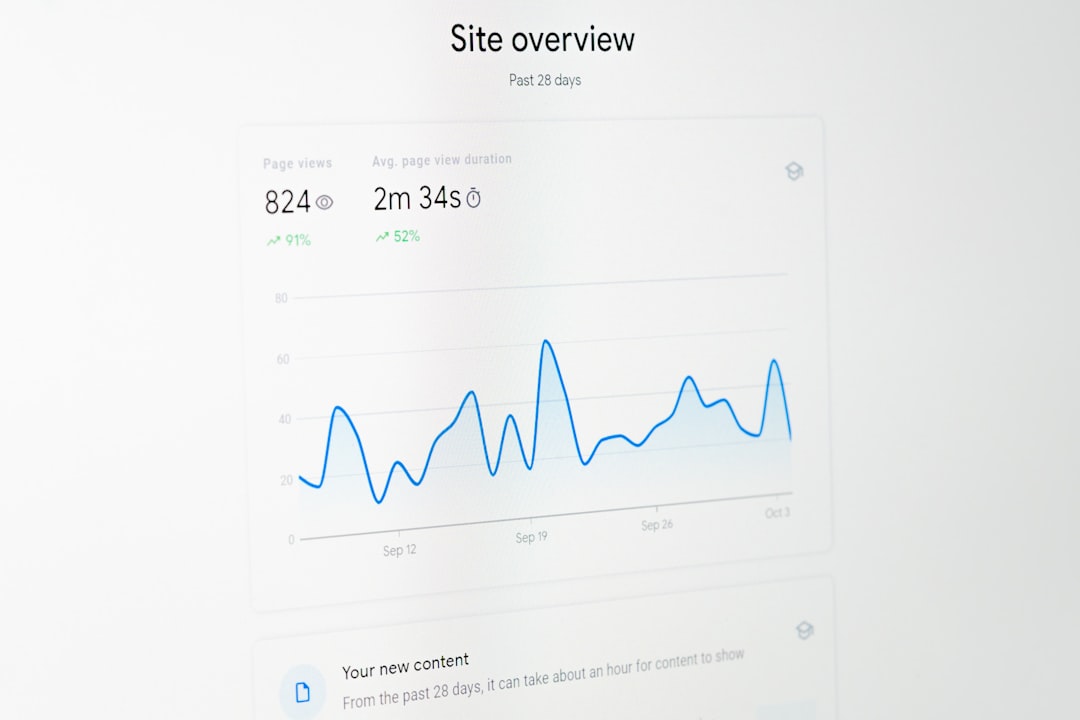
Search traffic is valuable only if visitors can move through the site with confidence. Qualitative testing reveals friction points that analytics may show but not explain. A high exit rate on a product page might indicate poor content, unclear next steps, slow loading elements, lack of trust, or a confusing layout. Analytics identifies the symptom; user testing helps identify the cause.
During testing, teams may notice users hesitating before clicking a call-to-action, rereading a paragraph several times, overlooking important information, or expressing uncertainty about what will happen next. These moments are highly valuable. They show where the experience creates doubt.
Common improvements from qualitative findings include:
- Clarifying calls-to-action so users understand the next step and its value.
- Rewriting introductory sections to communicate relevance more quickly.
- Adding trust elements, such as reviews, certifications, author credentials, or transparent policies.
- Simplifying forms to reduce unnecessary effort and uncertainty.
- Improving mobile layouts where users struggle with spacing, menus, or content order.
Building Trust, Expertise, and Credibility
Trust is essential for both UX and SEO, especially in industries where decisions involve money, health, legal matters, or professional services. Users need to know who is behind the content, whether claims can be supported, and whether the organization is credible.
Qualitative testing can reveal subtle trust issues. A participant might question why an article has no author, why a testimonial sounds generic, or why a service page avoids discussing costs. These comments are important because searchers often evaluate credibility quickly. If a page feels incomplete or evasive, users may return to search results and choose another source.
Improving trust does not require exaggerated claims. In fact, a more serious and trustworthy approach usually involves being specific, transparent, and evidence-based. Clear author bios, cited sources, realistic case studies, detailed product information, and straightforward policies can all improve user confidence.
Turning Testing Insights Into SEO Actions
To make qualitative testing practical, teams should connect observations to specific website actions. A useful process may include:
- Define the research question: For example, “Can users understand which service is right for them?”
- Recruit relevant participants: Test with people who resemble actual customers or target searchers.
- Use realistic tasks: Ask users to solve problems they would genuinely search for.
- Observe behavior and language: Note not only what users do, but how they describe their expectations.
- Prioritize findings: Focus first on issues that affect comprehension, trust, navigation, and conversion.
- Measure after changes: Review organic traffic, rankings, engagement metrics, and conversion data after implementation.
This approach ensures that user testing does not remain an isolated research activity. Instead, it becomes part of an evidence-based SEO and UX improvement cycle.
Conclusion
Qualitative user testing improves SEO and UX because it brings real user understanding into decisions that are often made from dashboards, assumptions, or internal preferences. It explains why content may not satisfy intent, why navigation may fail, and why users may hesitate before converting.
For organizations that want durable organic growth, this kind of research is not a luxury. It is a practical method for making websites clearer, more useful, and more credible. By listening carefully to users and translating their behavior into targeted improvements, teams can create pages that serve both human expectations and search performance goals.