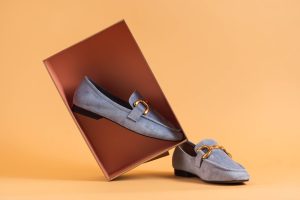
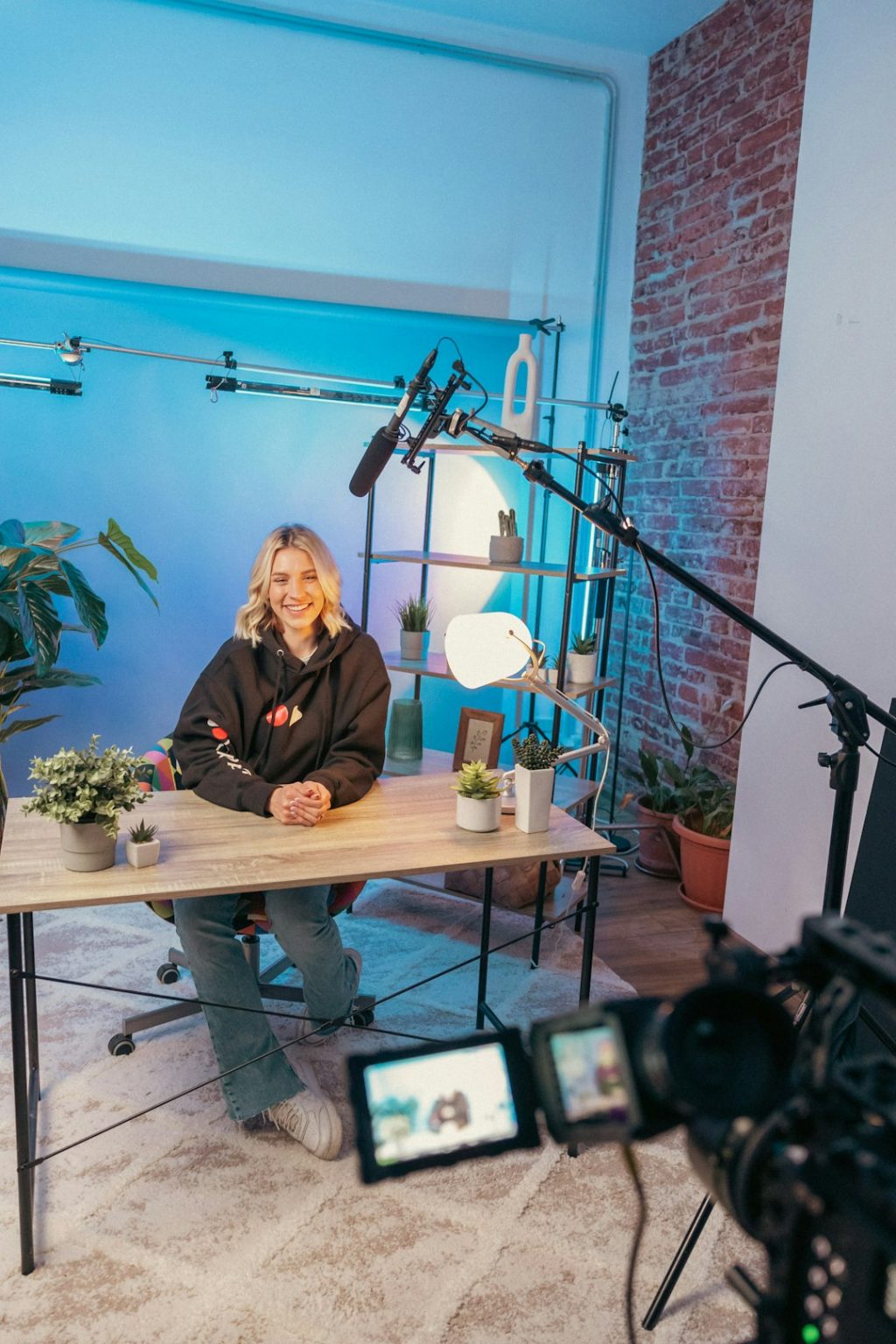
Choose Reve V1 when prompt accuracy, text inside images, and controlled edits matter most; choose Midjourney when you want richer style, mood, and highly polished artistic output. That is the practical split for most teams testing AI image generation in 2025. Reve V1 feels built for users who need the model to follow instructions closely. Midjourney still feels like the stronger creative engine when the goal is visual impact.
TLDR: Reve V1 is better for structured commercial prompts, product concepts, poster text, and scenes where small details must match the brief. Midjourney is stronger for cinematic looks, fashion editorials, fantasy art, and premium visual style. In a small internal test of 40 prompts, Reve V1 followed required text and object placement more reliably, while Midjourney produced the more attractive image in roughly 6 out of 10 style-focused prompts. For example, a coffee brand asking for “a blue paper cup with the words Morning Roast” will likely get cleaner wording from Reve V1, while Midjourney may create the more striking ad image.
What Reve V1 gets right
Reve V1’s main strength is instruction following. If a prompt asks for three objects, specific colors, readable signage, and a clear background, Reve V1 tends to stay closer to the request. That matters for business use. A beautiful image that ignores the brief still wastes time.
The model is also notable for text rendering. AI image tools have long struggled with words on packaging, posters, menus, and labels. Reve V1 is not perfect, but it often produces cleaner short phrases than older models. That makes it useful for mockups, concept boards, social posts, and quick ad drafts.
It also handles grounded scenes well. Simple product shots, interiors, food layouts, and everyday objects can look believable without too much prompt wrestling. This is where Reve V1 feels serious. It does not always chase dramatic lighting or surreal beauty. It often gives you the thing you asked for.
Where Midjourney still wins
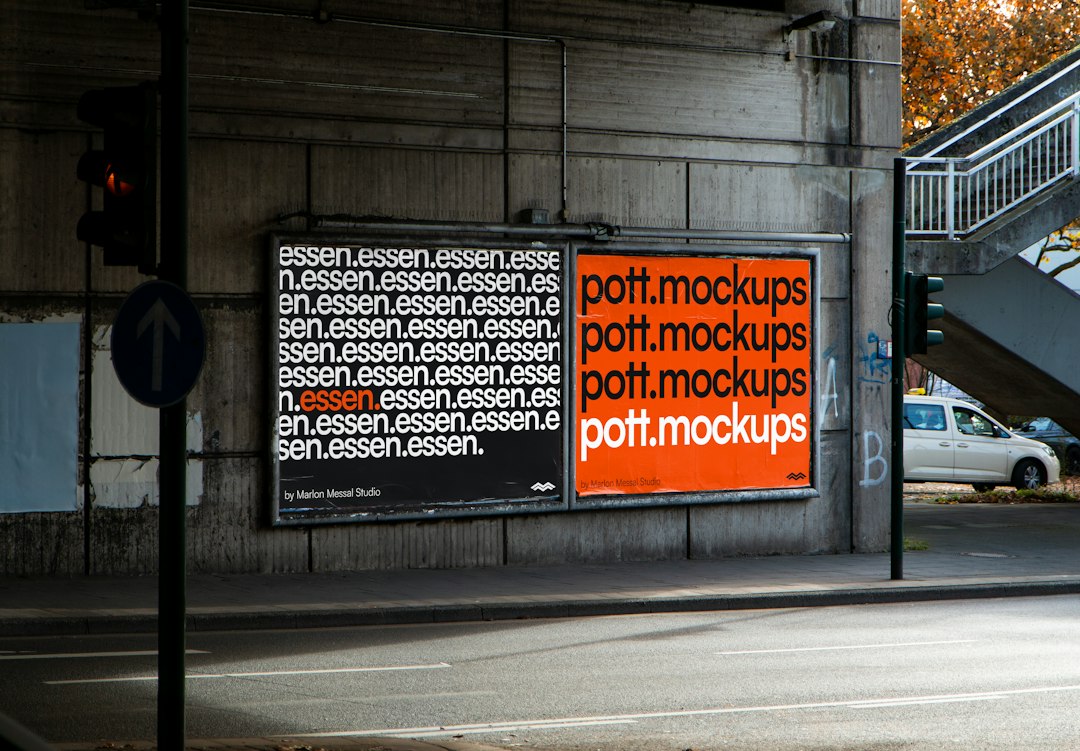
Midjourney remains hard to beat for aesthetic quality. Its images often feel more expensive at first glance. Lighting, composition, color grading, and texture usually land with confidence. For artists, directors, and marketers who care about mood, that matters a lot.
Midjourney is especially strong with prompts like:
- Cinematic portraits with dramatic shadows and expressive faces.
- Fashion shoots with editorial styling and polished composition.
- Fantasy and science fiction scenes with rich detail.
- Luxury branding visuals where atmosphere is more important than exact text.
Honestly, it feels like Midjourney often guesses what would make the image look better, even when the prompt is plain. That can be useful. It can also be annoying. If you asked for a red ceramic bowl and it gives you a bronze designer bowl because it looks cooler, the result may be beautiful but wrong.
Prompt accuracy: Reve V1 has the edge
If you work from tight creative briefs, Reve V1 has a clear appeal. It tends to respect structure. A prompt with “two people sitting at a round white table, one laptop, one glass of orange juice, pale green wall” is more likely to come back with the core details intact.
Midjourney can follow prompts well, but it often adds interpretation. That is part of its charm. It is also a source of rework. Expect to waste time on small corrections if your image has strict requirements.
For commercial work, this difference is not minor. A marketing team may generate 30 image options for a campaign. If 12 of them fail because the product color is wrong or the label text is broken, the tool becomes slower than it looks on paper.
Image quality: Midjourney feels more refined
Reve V1 can produce clean, credible images. Yet Midjourney still has a stronger sense of polish. Skin texture, fabric, light falloff, dramatic framing, and artistic coherence often look better. Midjourney images frequently need less manual enhancement before a presentation.
That said, “better looking” is not always the same as “better.” A sales deck, packaging draft, or ecommerce concept may need accuracy over mood. In those cases, Reve V1 can be the safer first pass.
Text inside images
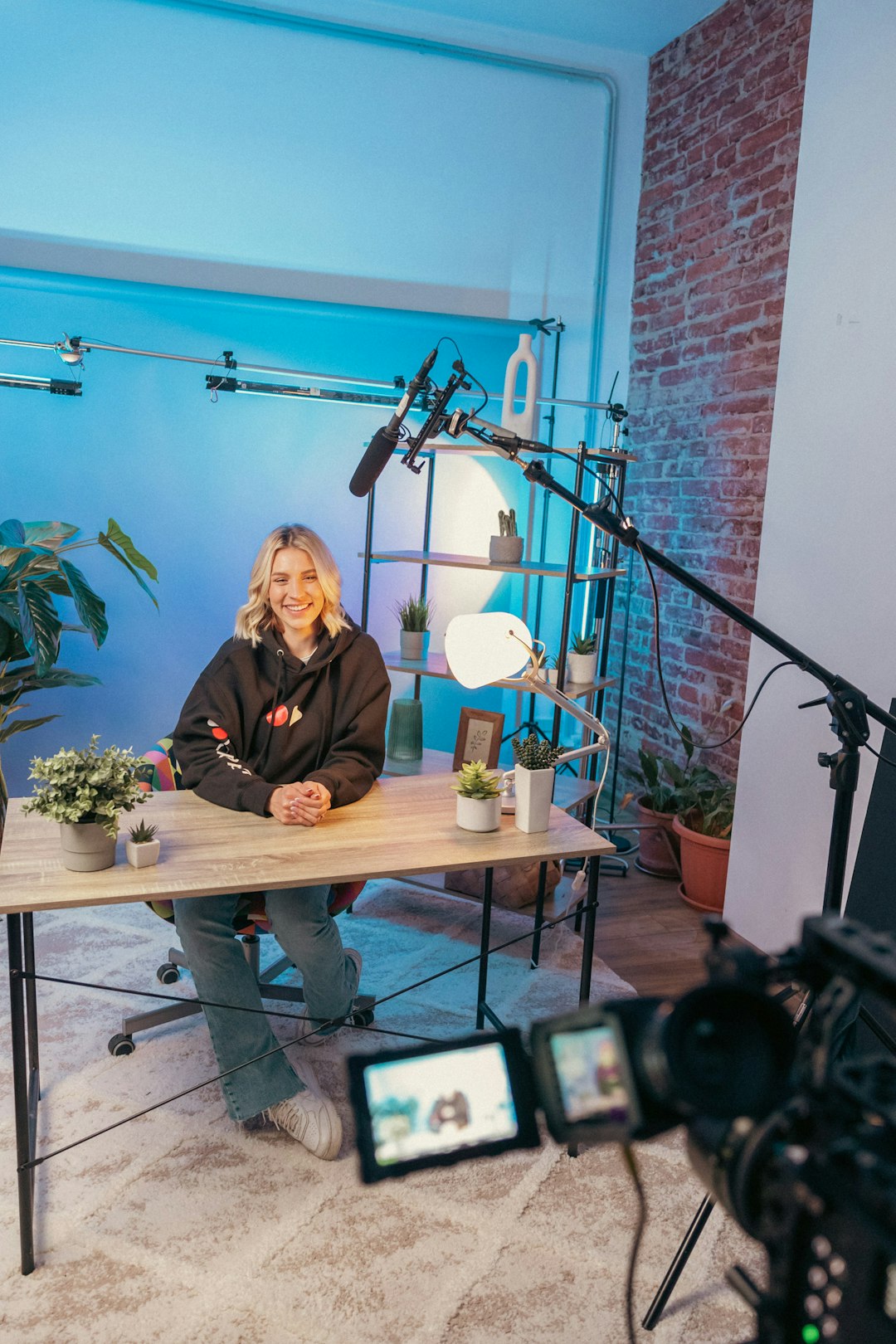
This is one of the clearest differences. Reve V1 is often more dependable when the image must include short readable text. Think posters, signs, T shirt slogans, product labels, or app screen mockups.
Midjourney has improved, but text can still come out distorted, misspelled, or strangely stylized. It drives me crazy that one extra letter can ruin an otherwise excellent ad concept. If the words matter, test Reve V1 early.
Best results usually come from short phrases. Use two to five words when possible. Avoid asking either model to produce a full paragraph inside an image. That is still asking for trouble.
Editing and iteration
Reve V1 feels useful when you need controlled variations. You can test prompt changes and see a more direct relationship between the edit and the result. That helps teams compare options quickly.
Midjourney is excellent for exploration. It can surprise you in a good way. A weak prompt may still produce something striking. But when you need to refine a specific layout, those surprises can slow the process.
A practical workflow is simple:
- Use Reve V1 to lock the concept, wording, object count, and layout.
- Use Midjourney to explore richer mood, style, lighting, and art direction.
- Review outputs side by side against the brief, not just against taste.
- Use manual design tools for final typography, logos, and brand-safe assets.
Best use cases for Reve V1
- Ad concept drafts with specific copy or product details.
- Packaging ideas where label text must be readable.
- Social media mockups with simple slogans.
- Storyboard frames that must match a written scene.
- Client previews where accuracy matters more than surprise.
Best use cases for Midjourney
- Campaign key visuals that need strong mood.
- Concept art for games, books, film, or music.
- High-end editorial imagery with dramatic lighting.
- Brand moodboards where tone matters more than exact layout.
- Creative exploration before a final direction is chosen.
Which tool should a business choose?
For most business users, the answer is not either-or. Reve V1 and Midjourney solve different problems. If your team creates ads, product mockups, or social visuals, Reve V1 may reduce correction rounds. If your team needs campaign art with emotional pull, Midjourney is still a serious choice.
A good rule is this: use Reve V1 when the brief is strict; use Midjourney when the art direction is open. Reve V1 is the more disciplined assistant. Midjourney is the more imaginative visual partner.
Final assets still need human review. Generated images can contain odd hands, incorrect brand details, strange reflections, or legal risks around likeness and trademarks. No serious team should publish AI output without checking it carefully.
Bottom line: Reve V1 is a strong rival to Midjourney because it attacks a real weakness in AI image generation: getting the details right. Midjourney still leads on beauty and style. The smarter choice depends on the job, not the hype.