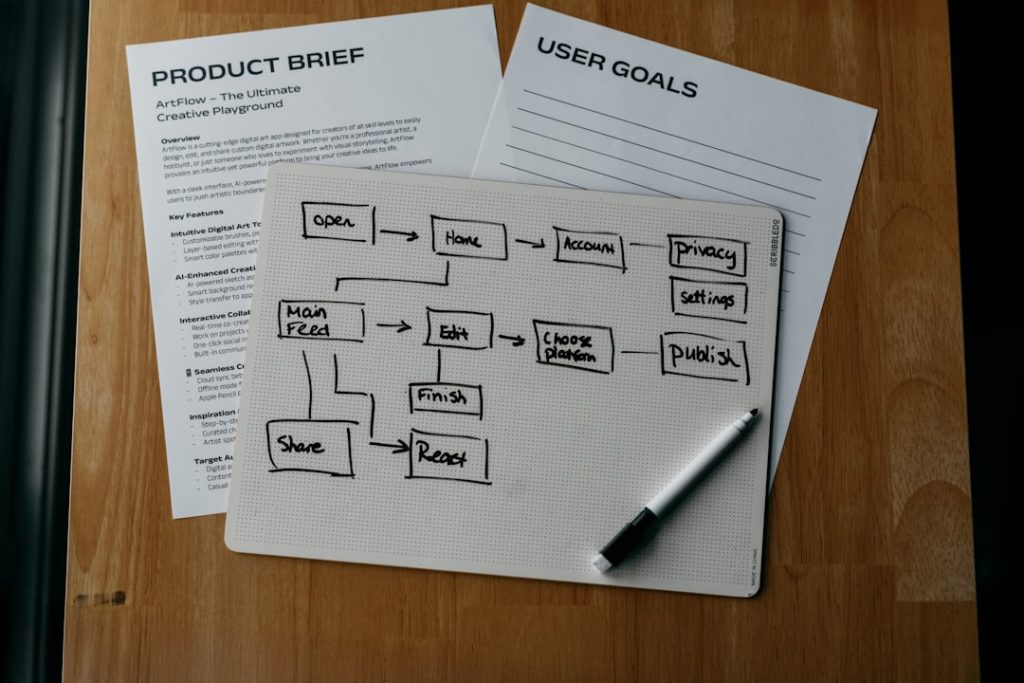
Plan every SEO marketing campaign around a measurable business goal first, then align content, technical fixes, and authority building to that goal. Rankings alone are not enough. A serious search campaign should prove how organic traffic supports leads, sales, signups, retention, or qualified demand.
TLDR: A strong SEO campaign starts with one clear target, such as increasing qualified demo requests by 25% in six months. For example, a B2B software company might find that 18% of organic visitors read comparison pages, but only 2.4% convert; improving those pages, fixing page speed, and earning industry links can raise conversion without chasing random keywords. Build the campaign around intent, measurable pages, technical health, and trusted signals. Review results every month, not once a quarter when the damage is already done.
Start with the Goal, Not the Keyword List
Many SEO campaigns fail because they begin with a spreadsheet of keywords instead of a business outcome. That creates noise. A keyword with 20,000 searches per month may bring the wrong visitors. A keyword with 300 searches may bring buyers who are ready to act.
Set one primary goal before research begins. Good goals include:
- Increase qualified leads from organic search by a set percentage.
- Grow ecommerce revenue from non paid traffic.
- Improve trial signups from product led content.
- Reduce customer support demand through better help content.
- Raise visibility for a new product, service, or location.
Each goal needs a baseline. Use analytics, CRM data, search console reports, and revenue records. If organic traffic brought 12,000 sessions and 180 leads last month, your current conversion rate is 1.5%. That number matters more than a vague wish to “rank better.”
It drives me crazy when teams celebrate traffic gains while lead quality drops. More visits can still mean less revenue. That is not progress. It is clutter with a nicer chart.
Map Search Intent to the Campaign Funnel
Search intent should decide what you create and how you measure it. A person searching “what is warehouse automation” needs education. A person searching “warehouse automation software pricing” is much closer to purchase.
Group keywords by intent, not just volume:
- Informational: guides, definitions, tutorials, checklists.
- Commercial: comparisons, alternatives, best tools, feature pages.
- Transactional: pricing, demos, product pages, service pages.
- Support: troubleshooting, setup, FAQs, documentation.
This grouping keeps the campaign honest. Informational content may support first contact and email growth. Commercial content should assist sales. Transactional pages should convert. Support content should reduce friction for current users.
Do not expect one blog post to do every job. That usually produces weak writing and weak performance. Build a clear path from question to answer, then from answer to action.
Build Content Around Problems, Proof, and Next Steps
Content must answer the query, but it also needs to support the buying process. A serious campaign needs more than blog posts. It needs service pages, product pages, comparison pages, case studies, buying guides, FAQs, and internal links that make sense.
For each target page, define:
- The user problem: What is the visitor trying to solve?
- The business goal: What action should the page support?
- The proof: What data, examples, credentials, or results support the claim?
- The next step: Should the visitor request a demo, download a guide, compare options, or contact sales?
Trust matters. Add expert review where needed. Cite reliable sources. Show dates on time sensitive content. Include original examples, pricing details when possible, product screenshots, and real use cases. Thin content with generic advice rarely holds strong positions for long.
A practical content plan could include one core guide, four supporting articles, two comparison pages, one case study, and one refreshed service page. That is usually stronger than publishing ten unrelated posts because a tool said the keywords looked easy.

Fix Technical Issues That Block Growth
Technical SEO is not glamorous, but it protects every campaign. If search engines cannot crawl, render, index, and understand your pages, the content plan will underperform.
Focus first on issues that affect revenue pages and high intent content. Common priorities include:
- Indexing: key pages blocked by robots.txt, noindex tags, or canonical errors.
- Site speed: slow templates, oversized images, render blocking scripts.
- Mobile usability: poor layout, intrusive elements, broken buttons.
- Internal linking: orphan pages and weak paths to conversion pages.
- Structured data: missing schema for products, reviews, FAQs, articles, or local business details.
- Duplicate content: filters, tags, location pages, or product variants creating confusion.
Honestly, it feels like some site audit tools create more work than clarity. One scan can produce 900 warnings, and 700 of them do not matter this month. Sort issues by impact. Fix what blocks crawling, hurts conversions, slows key pages, or weakens trust.
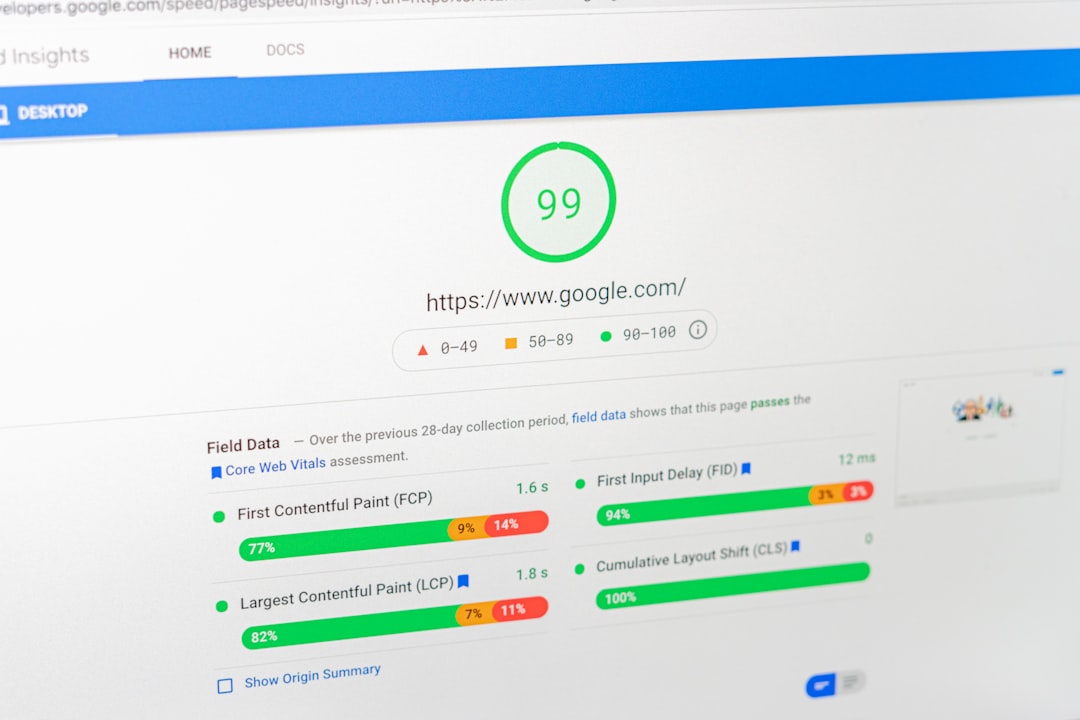
Measure technical work with clean metrics. Track indexed pages, crawl errors, Core Web Vitals, template speed, organic landing page performance, and conversion rate by page type. Technical fixes should connect to campaign goals, not vanity audit scores.
Build Authority with Relevance and Real Value
Authority is not just link count. A site earns stronger search performance when credible sources mention it, link to it, cite its research, or treat it as useful. The best authority work is tied to expertise.
Effective authority building can include:
- Original research: surveys, benchmarks, data studies, and industry reports.
- Digital PR: useful commentary for journalists and trade publications.
- Partner content: webinars, integrations, expert roundups, and co authored guides.
- Resource pages: calculators, templates, tools, checklists, and reference material.
- Local authority: chamber listings, local news, reviews, sponsorships, and verified profiles.
Avoid cheap link schemes. They may look efficient, but they create risk and rarely help serious brands. Relevance matters. One link from a respected trade publication can be worth more than dozens from random directories.

Create a Search Campaign Roadmap
A campaign roadmap turns strategy into work. Keep it simple enough that marketing, content, development, and leadership can use it.
A practical 90 day plan might look like this:
- Weeks 1 to 2: confirm goals, baselines, tracking, keyword intent groups, and priority pages.
- Weeks 3 to 4: audit content gaps, technical blockers, internal links, and authority gaps.
- Weeks 5 to 8: publish or improve priority content, fix major technical issues, and strengthen calls to action.
- Weeks 9 to 12: promote key assets, earn relevant mentions, refresh internal links, and review early performance.
Assign owners. Content needs writers and reviewers. Technical work needs developers or platform managers. Authority work needs PR, partnerships, or outreach support. Analytics needs someone who can separate useful signals from noise.
Measure What Actually Matters
SEO measurement should show movement toward the goal. Rankings are useful, but they are not the full report. Track the metrics that prove business impact.
- Organic conversions: leads, purchases, demos, calls, signups.
- Conversion rate by landing page: not just total traffic.
- Qualified pipeline: leads that sales accepts or revenue influenced by SEO.
- Search visibility: rankings for priority intent groups.
- Content engagement: scroll depth, assisted conversions, returning users.
- Technical health: speed, crawlability, indexation, and mobile performance.
Review monthly. Keep the report brief. Show what changed, why it changed, what was learned, and what happens next. If a page gains traffic but fails to convert, improve the offer, form, copy, links, or audience match. If a technical fix improves speed but not revenue, check whether the affected pages were tied to demand.
Keep the Campaign Focused
The best SEO marketing campaigns are disciplined. They connect search demand to business goals, publish content with purpose, fix technical barriers, and build authority through real expertise. They also reject busywork.
Expect tradeoffs. You cannot pursue every keyword, fix every warning, and publish every idea at once. Choose the work most likely to improve qualified organic performance. Then measure it with care. That is how search becomes a reliable growth channel instead of a pile of reports nobody trusts.