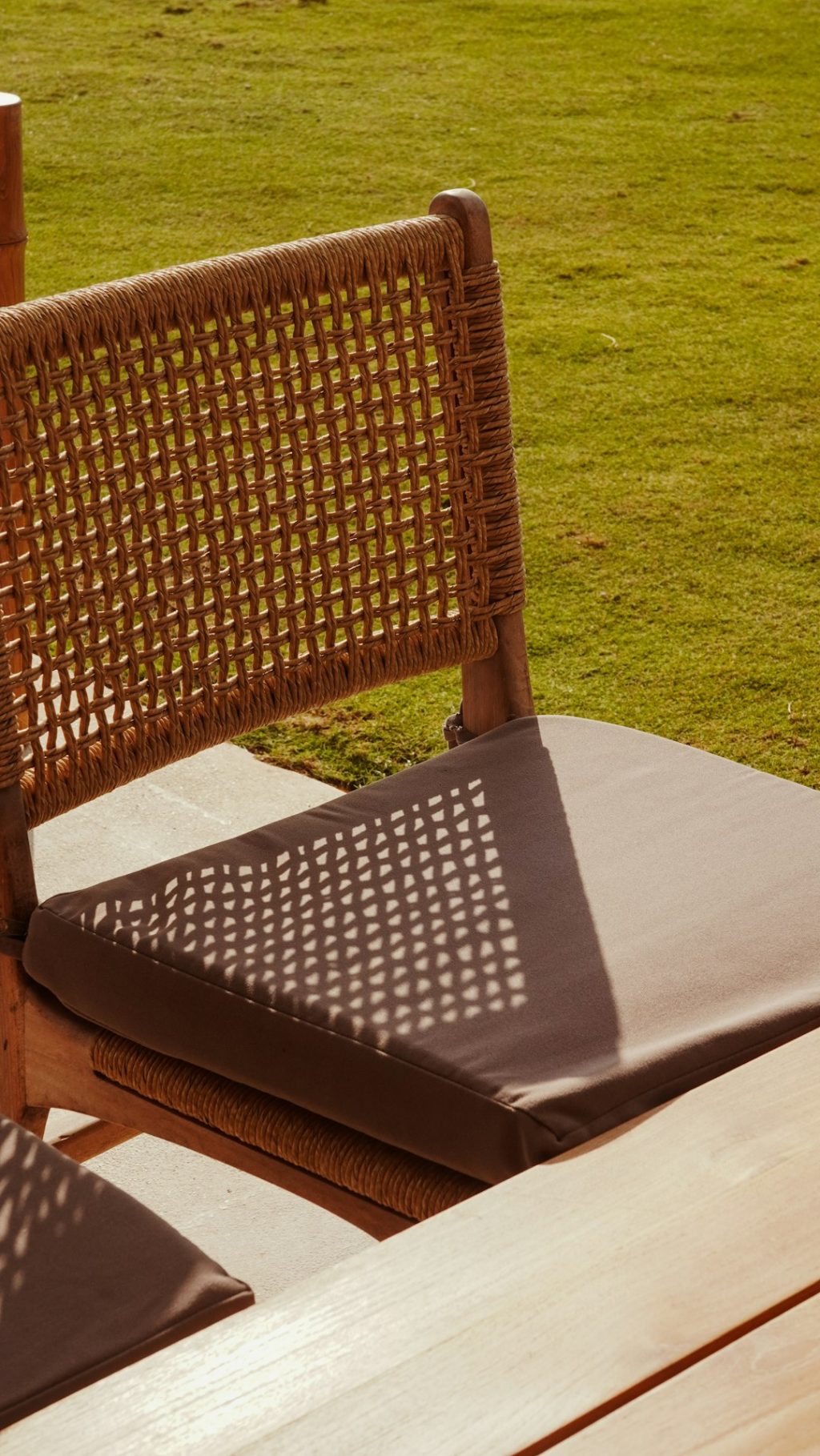
Outdoor living spaces have evolved from simple patios and balconies into fully realized extensions of the home. Homeowners now prioritize comfort, aesthetics, and durability when designing these areas. One essential element that often goes overlooked is the markiseteppe—a practical and stylish outdoor carpet designed specifically to withstand the elements while enhancing comfort underfoot.
TLDR: A markiseteppe is a durable outdoor carpet designed for terraces, balconies, and awning-covered spaces. It adds comfort, protects flooring, and enhances outdoor aesthetics while resisting weather, moisture, and UV exposure. Choosing the right material, size, and maintenance routine ensures long-lasting performance. This guide covers everything from materials and installation to care and FAQs.
What Is a Markiseteppe?
A markiseteppe is a specially crafted outdoor carpet designed for use under awnings, on patios, balconies, decks, and other exterior living areas. Unlike indoor rugs, it is manufactured using robust synthetic fibers and weather-resistant materials that can endure sunlight, humidity, temperature changes, and frequent foot traffic.
Its core purpose is twofold:
- Protection: Shields outdoor flooring from wear, scratches, and dirt.
- Comfort: Provides a softer, warmer surface underfoot.
- Aesthetic appeal: Enhances the overall look of outdoor areas.
Markisetepper (plural) have become increasingly popular in Scandinavian and European outdoor design, but their practicality and comfort make them ideal for any climate.
Why Choose a Markiseteppe for Outdoor Living?
Outdoor surfaces such as wood decking, stone tiles, or concrete can become extremely hot in summer and chilly in cooler seasons. A markiseteppe creates a more pleasant experience while also contributing to a cohesive design scheme.
1. Weather Resistance
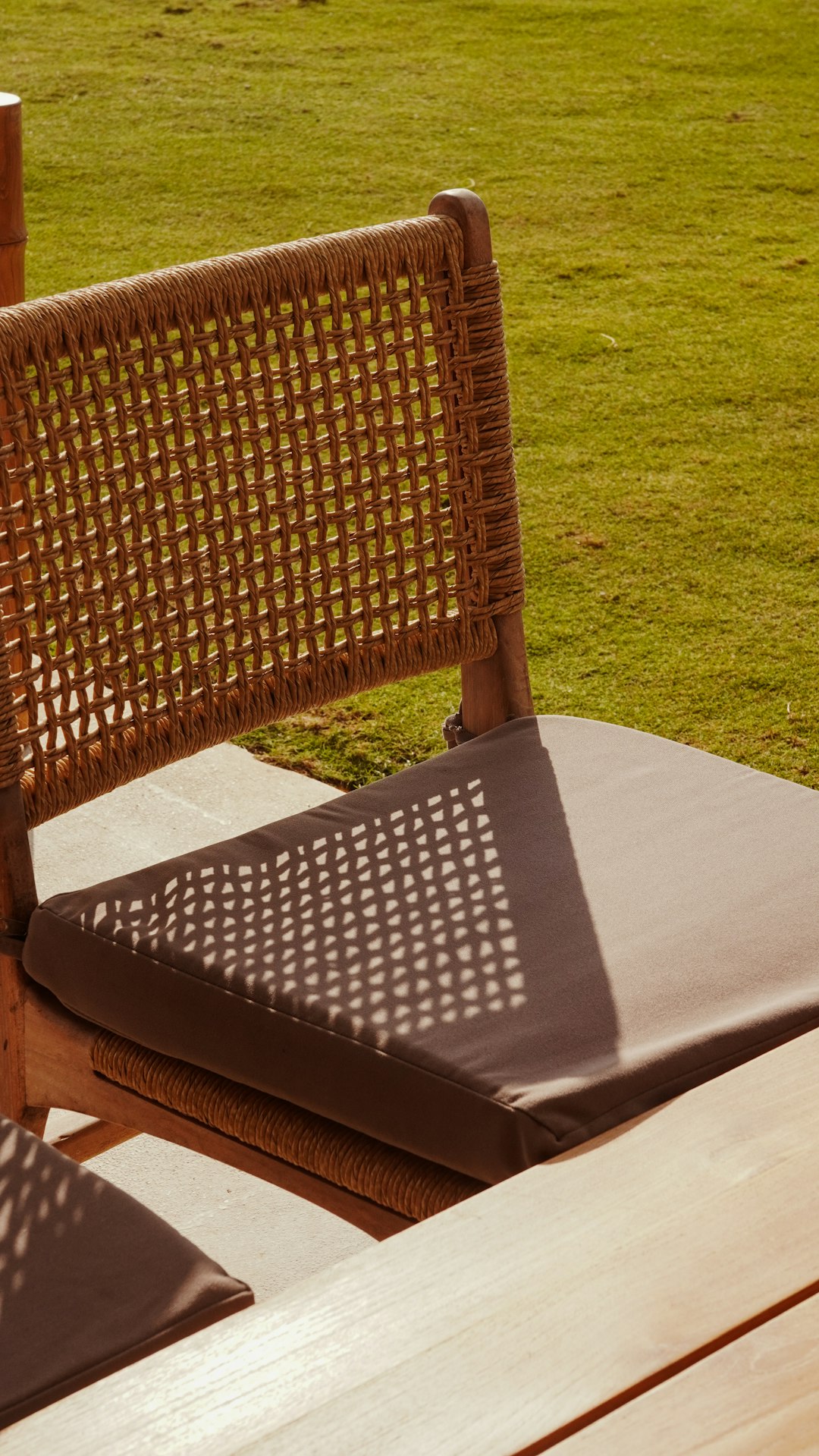
Most markisetepper are made from synthetic fibers such as polypropylene or polyester. These materials resist:
- UV fading
- Moisture absorption
- Mold and mildew growth
- Stains and spills
This makes them ideal for semi-exposed areas, especially spaces covered by awnings.
2. Improved Safety
Many models feature anti-slip backings that reduce the risk of accidents on smooth terrace flooring. This is particularly important for families with children or elderly individuals.
3. Design Flexibility
Available in a wide range of colors, patterns, and textures, markisetepper can:
- Create visual zoning in open outdoor layouts
- Add warmth to minimalist terraces
- Complement both modern and rustic themes
Materials Used in Markisetepper
Choosing the right material is crucial for durability and comfort. The most common materials include:
Polypropylene
- Highly durable
- Water-resistant
- Easy to clean
- Affordable
This is the most popular choice due to its resilience and cost-effectiveness.
Polyester
- Soft underfoot
- Fade-resistant
- Mildew-resistant
Polyester offers excellent color retention and a slightly more luxurious feel.
Recycled Plastic
- Eco-friendly option
- Lightweight
- Fully waterproof
An increasingly popular sustainable alternative for environmentally conscious homeowners.
Comparison Chart: Popular Markiseteppe Materials
| Material | Durability | Water Resistance | Comfort Level | Maintenance | Best For |
|---|---|---|---|---|---|
| Polypropylene | Very High | Excellent | Moderate | Easy | High-traffic areas |
| Polyester | High | Very Good | High | Easy | Stylish lounging areas |
| Recycled Plastic | High | Excellent | Moderate | Very Easy | Eco-conscious homes |
How to Choose the Right Markiseteppe
Selecting the appropriate markiseteppe depends on several factors.
1. Size and Coverage
Measure the outdoor area carefully. A well-sized carpet should:
- Extend slightly beyond furniture edges
- Define the seating or dining area clearly
- Avoid obstructing walkways
2. Climate Considerations
For rainy regions, prioritize waterproof and mold-resistant materials. In areas with intense sunlight, opt for UV-stabilized fibers that resist fading.
3. Texture and Comfort
Some homeowners prefer a woven plastic look for practicality, while others favor softer textures that mimic indoor rugs.
4. Maintenance Requirements
If minimal upkeep is important, choose materials that can be cleaned with a simple hose rinse.
Installation Tips
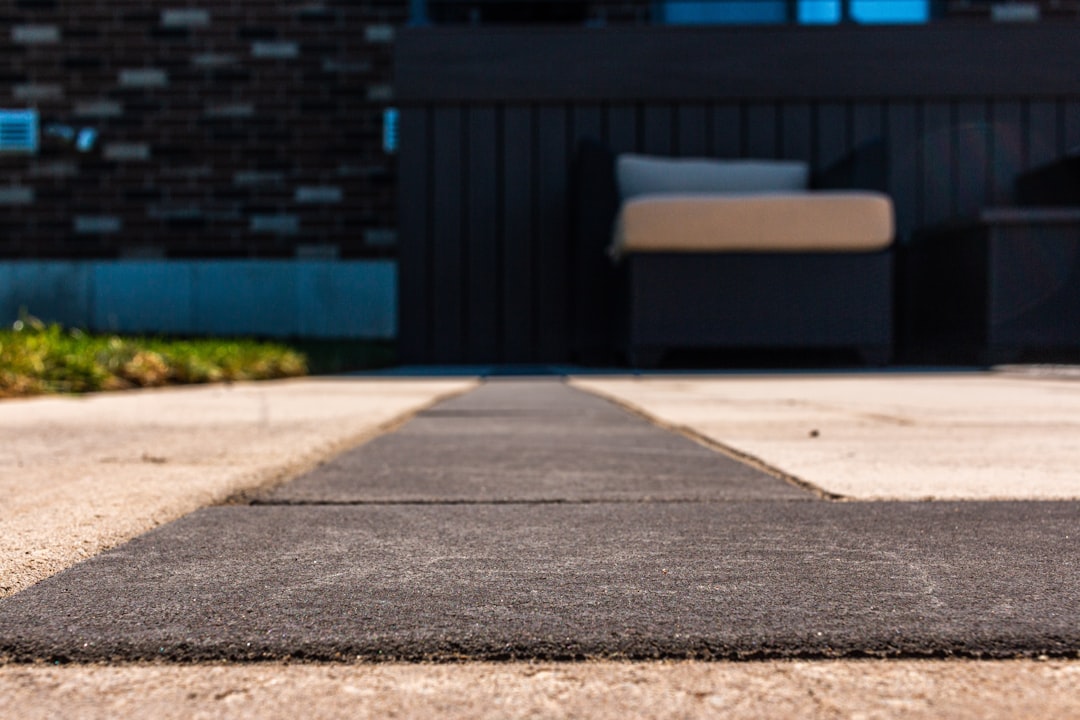
Installing a markiseteppe is generally straightforward and does not require professional assistance.
Surface Preparation
- Clean the surface thoroughly.
- Ensure the ground is dry before placement.
- Remove debris to prevent unevenness.
Securing the Carpet
In wind-prone areas, consider:
- Double-sided outdoor carpet tape
- Anti-slip underlays
- Heavy outdoor furniture to anchor edges
Proper installation ensures both safety and longevity.
Maintenance and Care
One of the main advantages of a markiseteppe is its low maintenance requirements.
Routine Cleaning
- Shake out loose dirt weekly.
- Rinse with a garden hose.
- Use mild soap for stubborn stains.
Deep Cleaning
Occasionally scrubbing with a soft brush and diluted detergent keeps fibers fresh and vibrant.
Storage in Harsh Winters
Although many markisetepper tolerate cold weather, storing them during extreme winter conditions can extend their lifespan. Roll—do not fold—the carpet to prevent creasing.
Design Ideas for Outdoor Spaces
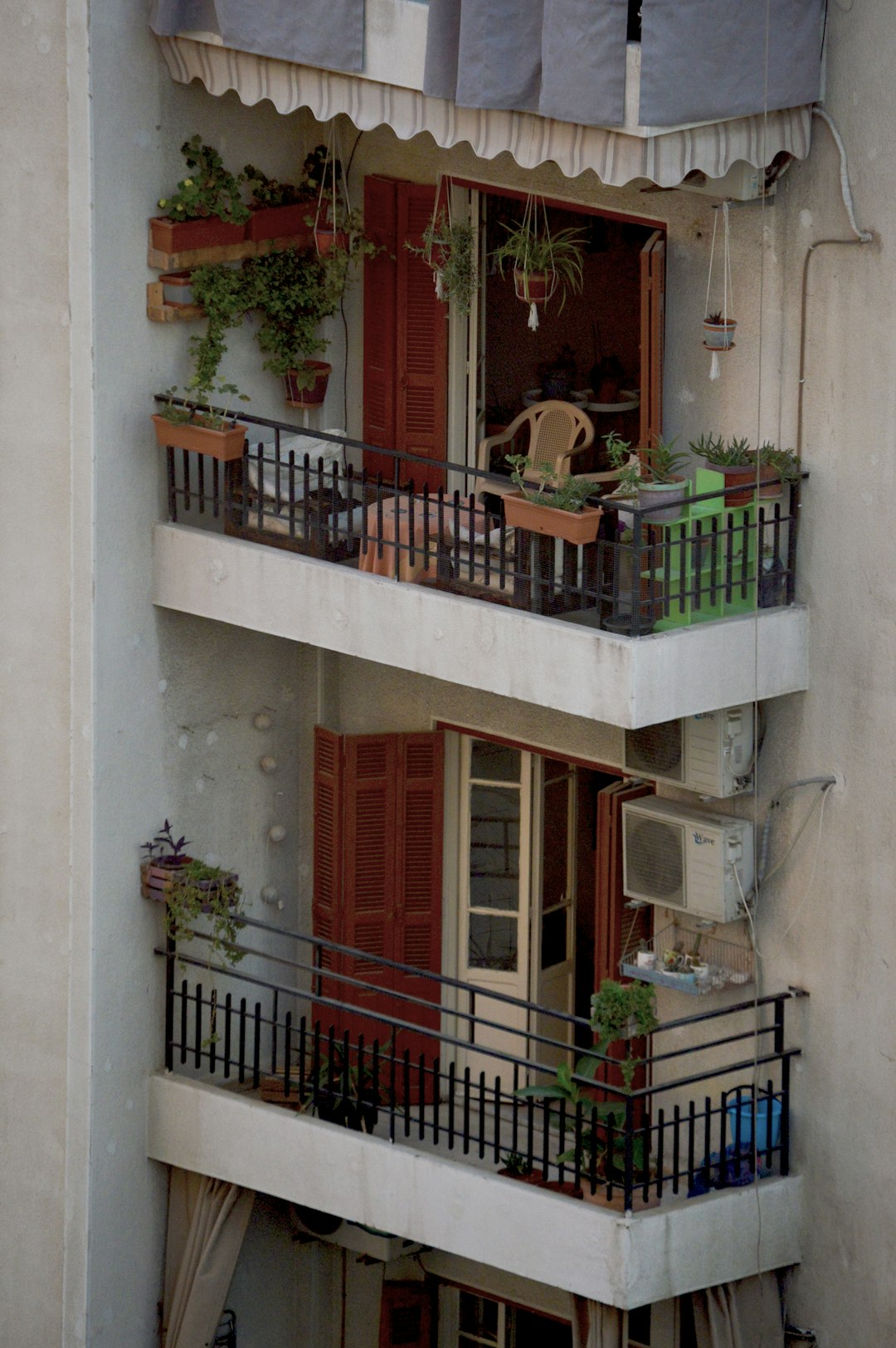
Balcony Retreat
A compact markiseteppe paired with foldable furniture and soft lighting can transform a small balcony into a cozy escape.
Outdoor Dining Area
Placing a durable carpet beneath a dining table defines the eating space while protecting deck boards from chair movement.
Poolside Comfort
Quick-drying models are perfect for lounging areas near pools, providing slip resistance and comfort.
Environmental Considerations
Sustainability has become an important factor in outdoor product choices. Many manufacturers now produce markisetepper from:
- Recycled plastics
- Low-impact dyes
- Energy-efficient production processes
Choosing environmentally friendly options reduces ecological footprint without sacrificing quality or aesthetics.
Common Mistakes to Avoid
- Choosing indoor rugs for outdoor use: These deteriorate quickly when exposed to weather.
- Incorrect sizing: Too small carpets can look disproportionate.
- Ignoring drainage: Trapped moisture may cause mold on underlying surfaces.
- Skipping cleaning: Debris accumulation can shorten lifespan.
The Longevity of a Quality Markiseteppe
With proper care, a high-quality markiseteppe can last between five and ten years, depending on exposure levels and maintenance practices. Investing in a superior product often proves more cost-effective than replacing cheaper alternatives frequently.
Additionally, advancements in textile technology continue to improve resistance to fading, wear, and environmental stressors, making modern versions more durable than ever.
Frequently Asked Questions (FAQ)
- What does the term “markiseteppe” mean?
It refers to a durable outdoor carpet designed for use under awnings and in exterior living spaces. - Can a markiseteppe stay outside year-round?
Many models can, but storing it during extreme winter conditions can help extend its lifespan. - Is a markiseteppe waterproof?
Most are water-resistant rather than fully waterproof. However, recycled plastic variants often offer excellent water resistance. - How do you clean a markiseteppe?
Regular shaking, hosing down, and occasional scrubbing with mild soap are typically sufficient. - Will sunlight cause fading?
High-quality markisetepper feature UV-resistant fibers that significantly reduce fading. - Are they safe for wooden decks?
Yes, but proper drainage and occasional lifting are recommended to prevent moisture buildup underneath. - Do markisetepper require professional installation?
No, they are typically easy to install without professional help.
A thoughtfully selected markiseteppe transforms outdoor living areas into inviting, comfortable extensions of the home. By combining durability with style and easy maintenance, it offers a practical solution for anyone seeking to elevate their terrace, balcony, or patio into a more livable and welcoming space.