
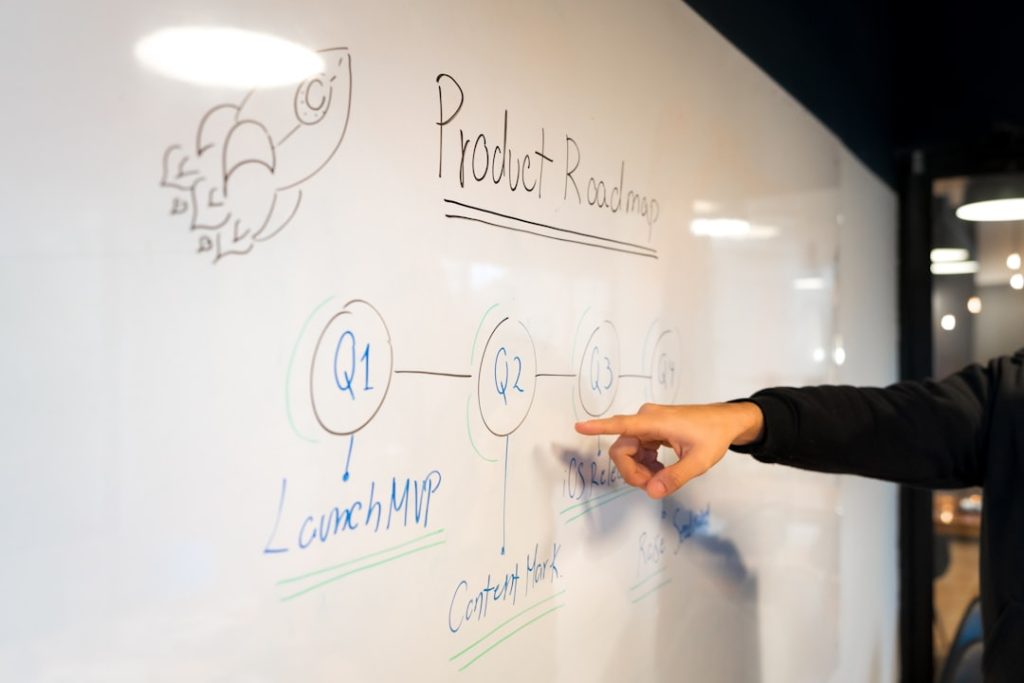
A customer timeline is a structured record of the important events, interactions, and decisions that occur throughout a customer’s relationship with a business. It helps teams understand not only what happened, but also when it happened, why it mattered, and how it influenced the customer’s next action. Used well, it becomes a practical tool for improving service, sales, marketing, retention, and overall customer experience.
TLDR: A customer timeline is a chronological view of a customer’s interactions with a company, from the first point of contact through purchase, support, renewal, or churn. It gives teams a shared understanding of the customer’s history and current status. By organizing touchpoints in order, businesses can make better decisions, personalize communication, and identify risks or opportunities sooner.
Understanding the Customer Timeline
At its simplest, a customer timeline is a sequence of customer-related events arranged by date and time. These events may include website visits, form submissions, sales calls, product demos, purchases, support tickets, emails, invoices, renewals, complaints, feedback, upgrades, cancellations, and more.
Unlike a basic customer profile, which usually summarizes static details such as name, company, contact information, or account type, a timeline shows the history of engagement. It answers questions such as: When did the customer first discover the business? Which messages did they receive? What problems did they report? How quickly did the company respond? What actions preceded a purchase or cancellation?

This chronological structure makes the customer relationship easier to understand. Instead of reviewing disconnected notes across different systems, employees can see the full context in one place. That context is especially valuable when multiple teams are involved in serving the same customer.
What a Customer Timeline Usually Includes
The contents of a customer timeline depend on the business model, industry, and available data. However, most useful timelines include several common categories:
- Initial contact: The first known interaction, such as a website visit, ad click, referral, inquiry, or event registration.
- Marketing engagement: Email opens, content downloads, webinar attendance, campaign responses, and other signals of interest.
- Sales activity: Calls, meetings, proposals, demos, negotiations, and deal stage changes.
- Transactions: Purchases, subscriptions, invoices, payment events, renewals, upgrades, or refunds.
- Support interactions: Tickets, live chat conversations, complaints, technical issues, resolutions, and satisfaction ratings.
- Product usage: Logins, feature adoption, usage milestones, inactivity, or changes in behavior.
- Customer feedback: Survey responses, reviews, testimonials, objections, and comments shared with the business.
Not every business needs every category. The goal is not to collect data for its own sake, but to capture the events that genuinely help employees understand and serve the customer better.
Why Customer Timelines Matter
A customer timeline provides a reliable source of context. Without it, teams often work from incomplete information. Sales may not know that a prospect recently submitted a support complaint. Support may not realize that a customer is in the middle of a renewal conversation. Marketing may continue sending introductory messages to someone who already purchased weeks ago.
These gaps can create frustration and reduce trust. Customers expect companies to remember past interactions, especially when they have already shared information or raised an issue. A timeline helps prevent repetitive questions, inconsistent messaging, and poorly timed outreach.
It also improves decision-making. For example, if a customer has opened several emails, attended a demo, and visited pricing pages, the sales team may see a strong buying signal. If another customer has stopped using the product, opened multiple support tickets, and ignored renewal reminders, the account team may identify a churn risk.

Customer Timeline vs Customer Journey
The terms customer timeline and customer journey are related, but they are not identical. A customer journey is often a broader conceptual model that maps typical stages customers go through, such as awareness, consideration, purchase, onboarding, retention, and advocacy. It is usually used to understand general patterns across many customers.
A customer timeline, by contrast, is more specific. It represents the actual sequence of events for an individual customer, account, or segment. In other words, the journey explains the expected path, while the timeline shows what really happened.
Both views are useful. A business may design a customer journey map to guide strategy, then use individual timelines to manage real customer relationships. When the two are compared, teams can see where actual behavior differs from expectations.
How Businesses Use Customer Timelines
Customer timelines are valuable across several departments. In sales, they help representatives prioritize leads, prepare for calls, and tailor conversations based on prior engagement. A salesperson who can see that a prospect downloaded a specific guide or attended a product webinar can speak directly to that interest.
In customer support, timelines reduce the need for customers to repeat themselves. Agents can review previous tickets, product issues, responses, and resolutions before replying. This leads to faster, more informed support and a more professional experience.
In account management, timelines help teams monitor customer health. Patterns such as declining usage, unresolved complaints, or missed payments may indicate risk. Positive patterns, such as frequent usage and strong feedback, may suggest opportunities for upselling or advocacy.
Marketing teams also benefit. By studying timelines, marketers can understand which campaigns influence conversions, which messages are ignored, and when customers are most receptive to communication. This supports more relevant segmentation and better timing.
How to Build a Useful Customer Timeline
Building a customer timeline begins with identifying the events that matter most. A business should decide which interactions are meaningful for understanding intent, satisfaction, progress, or risk. Too much irrelevant data can make the timeline difficult to use, while too little data may leave important gaps.
Next, the business should connect data sources where possible. Customer relationship management systems, email platforms, support tools, billing systems, analytics software, and product usage platforms may all contain timeline events. The more integrated these sources are, the more complete the timeline becomes.
It is also important to establish clear standards. Events should be labeled consistently, time stamped accurately, and associated with the correct customer or account. Notes should be concise, factual, and useful to other team members. A timeline filled with vague or inconsistent entries will quickly lose credibility.
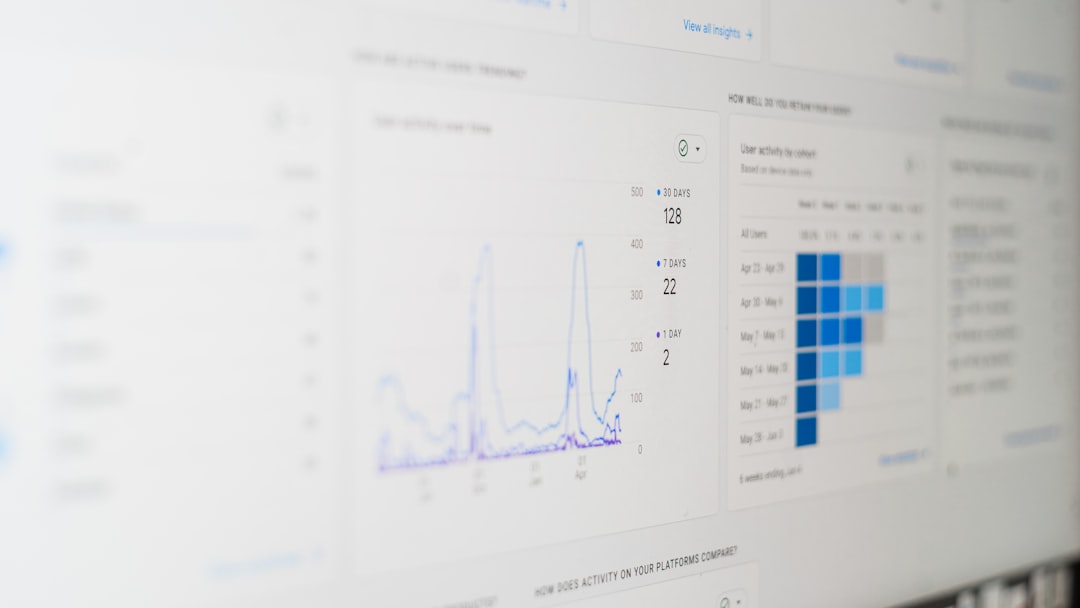
Best Practices for Managing Customer Timelines
- Focus on relevance: Include events that support better service, clearer communication, or stronger analysis.
- Keep records accurate: Incorrect dates, duplicate entries, and missing context can lead to poor decisions.
- Make timelines accessible: The teams responsible for customer outcomes should be able to view the history they need.
- Protect customer privacy: Collect and store information responsibly, following applicable laws and internal data policies.
- Review patterns regularly: A timeline is most valuable when teams actively use it to identify trends, risks, and opportunities.
Common Mistakes to Avoid
One common mistake is treating the customer timeline as a passive archive. If employees only add information but never use it, the timeline becomes administrative clutter. Its purpose should be operational: to help people take better action.
Another mistake is capturing every possible event without prioritization. A timeline overloaded with minor system updates can hide important signals. Businesses should make sure that the most meaningful events are easy to find and interpret.
Finally, companies should avoid relying entirely on automated data. Automated entries are useful, but human context still matters. A short note from a sales or support conversation can explain motivations, concerns, or expectations that raw data cannot capture.
The Strategic Value of a Customer Timeline
A well-maintained customer timeline brings structure to the complexity of customer relationships. It gives teams a shared view of past interactions, current needs, and possible next steps. This is especially important as businesses grow and customers interact with more departments, channels, and systems.
More importantly, a timeline supports a more respectful and informed customer experience. When a company remembers the history of the relationship, it can respond with greater accuracy, relevance, and professionalism. In that sense, a customer timeline is not just a record of events; it is a foundation for stronger relationships, better decisions, and long-term customer trust.