

Internet culture evolves at a breathtaking speed, turning obscure phrases into global catchphrases almost overnight. Every week seems to introduce a new expression, abbreviation, or meme that dominates social feeds, comment sections, and even workplace conversations. These trending internet terms are more than fleeting slang—they are digital signals that reflect cultural shifts, technological innovation, and collective emotional responses. Understanding why certain terms trend now reveals as much about society as it does about the platforms people use daily.
TLDR: Internet terms trend because they capture shared emotions, cultural moments, and technological shifts in simple, repeatable language. Social media algorithms rapidly amplify engaging phrases, pushing them into mainstream awareness. Many trending terms are tied to viral events, generational identity, or emerging technologies like AI. Their popularity reflects how people communicate, connect, and react in the digital age.
The Role of Social Media Algorithms
One of the most important drivers behind trending internet terms is the algorithm. Platforms such as TikTok, Instagram, and X prioritize content that generates strong engagement. When a phrase is catchy, emotionally resonant, or adaptable to multiple situations, users repeat it. Algorithms then detect higher interaction rates—likes, comments, shares—and push the term into more feeds.
This creates a feedback loop. As visibility increases, more users imitate the phrase, further boosting engagement metrics. Within days, a niche expression can evolve into a globally recognized term.
The phenomenon explains why terms tied to viral audio clips, reaction memes, or short-form videos often trend fastest. Social media encourages replication. The easier it is to reuse a phrase in different contexts, the more likely it is to spread.
Cultural Moments and Shared Experiences
Internet terms often trend when they articulate a shared emotional experience. During periods of uncertainty, change, or celebration, people seek concise ways to express collective feelings. A short, relatable phrase can summarize what millions are experiencing at once.
For example, when global events disrupt routines, terms describing burnout, anxiety, or digital fatigue often surge. Conversely, during major entertainment releases—such as blockbuster films or viral music performances—new catchphrases emerge that unite fans across continents.
These trending terms act as digital shorthand. They allow users to instantly signal belonging to a group that understands the reference. In a fragmented media environment, shared language becomes a social glue.
The Influence of Generational Identity
Younger generations, particularly Gen Z and Gen Alpha, play a significant role in coining and spreading internet terms. Their communication style favors humor, irony, and layered meanings. Many trending expressions begin as inside jokes within niche communities before crossing into mainstream usage.
Digital nativity also contributes to this trend. Younger users, having grown up with constant connectivity, are adept at remixing language, blending visual and textual cues, and repurposing older slang with new nuances.
Interestingly, generational language often shifts once it is adopted by brands or older demographics. When companies integrate trending slang into marketing campaigns, its authenticity may decline among original users. This cycle leads to an ongoing search for fresh terms that feel more exclusive and original.
The Acceleration of AI and Tech Innovation
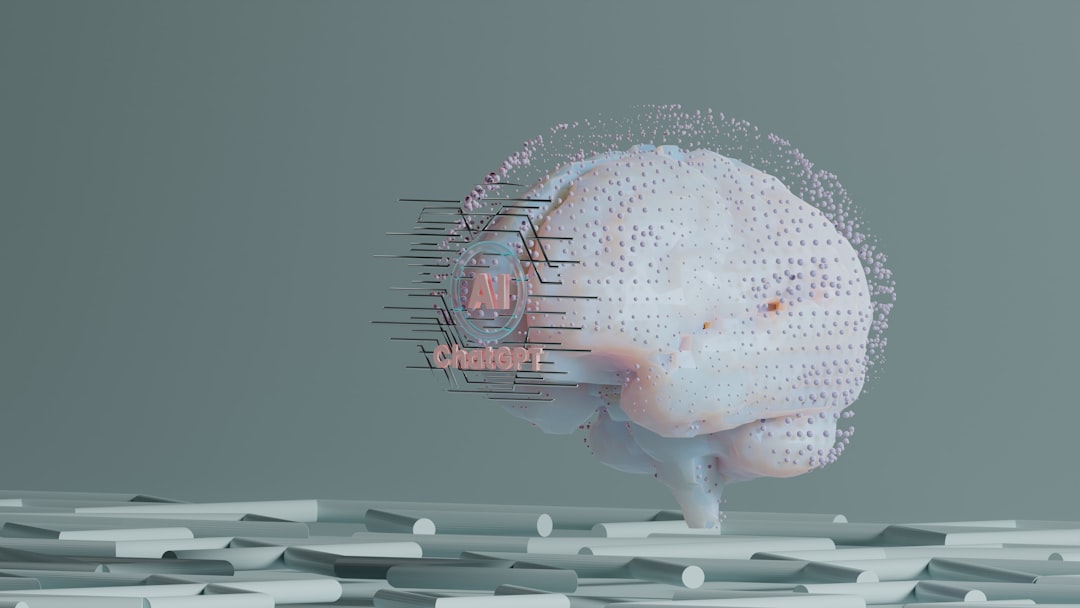
Another key reason certain internet terms are trending now is the rapid rise of artificial intelligence and emerging technologies. As new tools enter mainstream use, people need vocabulary to describe unfamiliar concepts. Terms related to AI-generated art, automation, digital clones, and virtual companionship have quickly gained traction.
These expressions trend not only because of novelty but also because they spark debate. Discussions around ethics, job displacement, creativity, and authenticity fuel online engagement. When a topic provokes strong opinions, related terminology spreads rapidly.
Technology-driven terms also benefit from media coverage. News articles, influencer commentary, and tutorial content amplify keywords, reinforcing their place in everyday conversation.
Meme Culture and Remixability
Memes remain a central force in shaping trending vocabulary. Unlike traditional slang, meme-based terms often rely on layered context. Their humor may depend on absurdity, exaggerated seriousness, or deliberate misuse.
What makes a meme term trend is its adaptability. A single phrase can be:
- Used ironically and sincerely
- Paired with different images
- Remixed into video formats
- Adapted across languages and regions
This flexibility ensures longevity beyond the initial viral moment. When users feel empowered to personalize a term, they contribute to its sustained popularity.
Additionally, meme trends frequently draw from nostalgia. Revived phrases from early internet culture or even pre-digital eras often resurface with updated meanings. This combination of familiarity and reinvention increases their cross-generational appeal.
The Economic and Branding Factor
Brands actively monitor trending internet terms to stay culturally relevant. When companies integrate popular phrases into campaigns, they broaden exposure beyond social media native audiences.
However, commercialization can alter a term’s cultural impact. Once a phrase appears in advertisements, it often transitions from subculture to mainstream. This broader visibility can either cement its longevity or accelerate its decline among early adopters.
Influencer marketing also plays a crucial role. High-follower accounts can popularize a term by repeatedly incorporating it into captions, merchandise, or catchphrases associated with personal branding.
Emotional Resonance and Psychology
At their core, trending internet terms thrive because they evoke emotion. Content that inspires laughter, outrage, comfort, or validation has a higher probability of being shared.
Psychologically, humans gravitate toward language that simplifies complex experiences. A two-word phrase that captures a nuanced feeling provides cognitive relief. It reduces explanation and speeds communication.
Moreover, using trending terms satisfies the need for inclusion. Adopting popular language signals cultural awareness and participation. In digital environments where visibility equates to relevance, staying up to date linguistically becomes a form of social capital.
Global Connectivity and Cross-Cultural Exchange
Today’s internet terms are not confined to one country or language. Global connectivity allows phrases to migrate rapidly across borders. A slang expression originating in one region can trend worldwide within days.
Translation, subtitling, and algorithmic recommendations contribute to this global reach. As users encounter foreign creators on their feeds, they adopt international vocabulary. This cross-cultural blending leads to hybrid expressions and multilingual memes.
The result is a constantly evolving digital dialect shaped by diverse perspectives. Trending terms now reflect global citizenship more than local subcultures alone.
The Impact of Short-Form Content
Short-form video has dramatically influenced how internet language evolves. Platforms that restrict video length encourage punchy, repeatable sound bites. Catchphrases embedded in viral audio tracks often become standalone terms.
Because these clips autoplay and loop, repetition reinforces memory. Users internalize phrases almost subconsciously. When they reuse the sound in their own content, they contribute to its amplification.
This structure favors brevity. Short, rhythmic, or alliterative terms thrive because they are easy to remember and remix. Lengthy expressions rarely achieve the same virality.
Why Trending Terms Matter
Although some dismiss trending internet language as trivial, these terms document living culture. Linguists increasingly study social media to observe how language evolves in real time. Trending expressions provide insights into:
- Societal anxieties and aspirations
- Technological adaptation
- Generational values
- Humor styles and coping mechanisms
In many ways, internet terms function as cultural timestamps. They capture what people found amusing, frustrating, or inspiring at a specific moment.
As digital platforms continue to transform communication, the pace of linguistic change will likely accelerate. The terms trending now illustrate a broader truth: language online is dynamic, collaborative, and deeply influenced by technology.
FAQ
- Why do internet terms trend so quickly?
They spread rapidly because social media algorithms amplify engaging content. When a phrase generates interaction, it is shown to more users, creating exponential visibility. - Who usually creates trending terms?
Many originate from younger users, niche online communities, or content creators. However, celebrities, influencers, and journalists can significantly boost a term’s popularity. - Are trending internet terms the same as slang?
Not always. While some are slang, others stem from memes, technological developments, or cultural events. They may have layered meanings depending on context. - How long do trending terms usually last?
Some disappear within weeks, while others enter mainstream vocabulary for years. Longevity often depends on adaptability and continued cultural relevance. - Why do brands use trending internet terms?
Brands adopt them to appear current and relatable. Using popular phrases can increase engagement, though it may also reduce authenticity if done poorly. - Do trending terms reflect deeper societal trends?
Yes. Many capture shared emotions, responses to technological change, or evolving social values, making them useful indicators of broader cultural dynamics.