The news spread fast. CodeRED emergency alert systems were down. Phones stayed silent. Sirens did not trigger. People started asking one big question: What just happened?
TL;DR: CodeRED, a system that sends emergency alerts to phones and emails, was hit by a cyberattack. Hackers disrupted the network that delivers urgent messages about weather, crime, and public safety. Services were temporarily shut down to contain the threat. Experts are now investigating how it happened and how to stop it from happening again.
Let’s break it all down. Simple. Clear. No tech degree required.
First, What Is CodeRED?
CodeRED is an emergency notification system. Cities and counties use it to send alerts. These alerts can be about:
- Severe weather warnings
- Evacuation orders
- Missing children alerts
- Water contamination
- Police activity
If you signed up, you get messages by:
- Phone call
- Text message
- Mobile app notification
It is fast. It is automated. And it can reach thousands, even millions, of people in minutes.
So when it stops working, it’s a big deal.
What Exactly Happened?
Officials confirmed that CodeRED’s systems were hit by a cyberattack. That means someone tried to break into or disrupt their computer network.
Here is what we know so far:
- Unusual activity was detected on the system.
- Servers were impacted.
- Some emergency alerts were delayed or stopped.
- The platform was partially shut down as a safety measure.
The company pulled parts of the system offline. This helps stop hackers from spreading further inside the network.
Think of it like closing doors inside a building after someone sneaks in.
Was It Ransomware?
That is the big question.
In many cyberattacks today, hackers use ransomware. This locks files or systems. Then they demand money to unlock them.
At the time of reporting, officials have not confirmed if ransomware was involved. They only described it as a “cybersecurity incident.”
Sometimes companies avoid details early on. Investigations take time. Digital forensics is slow and careful work.
Why This Is Serious
Emergency alert systems are not like streaming services. If Netflix goes down, you get bored.
If emergency alerts go down, people may not know:
- A tornado is coming.
- A wildfire is spreading.
- There is a dangerous suspect nearby.
- Water is unsafe to drink.
Minutes matter in emergencies.
That’s why this cyberattack raised alarms across the country.
How Could Hackers Break In?
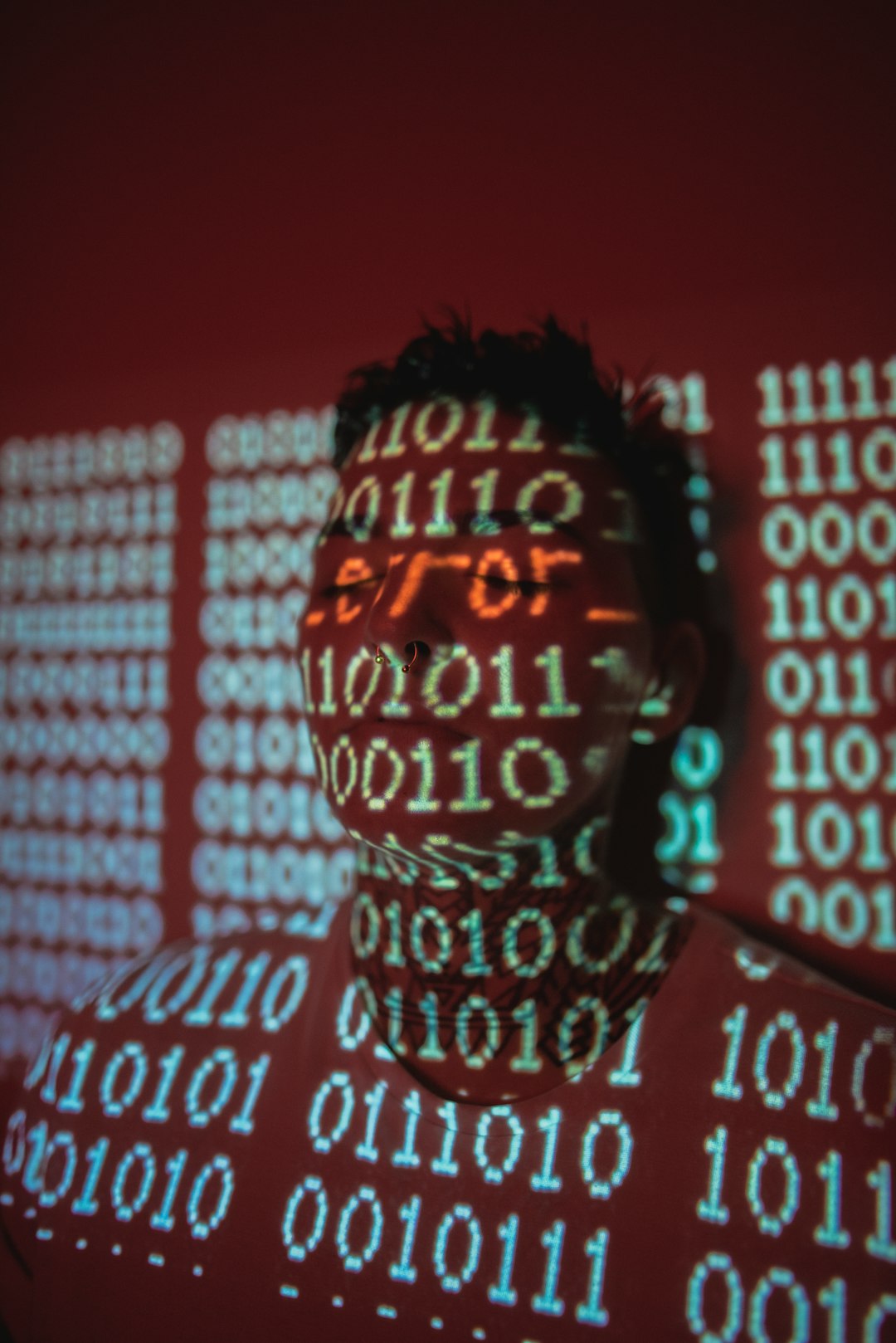
We do not yet know the exact entry point. But cyberattacks often happen through:
- Phishing emails – Fake messages that trick employees.
- Weak passwords – Easy to guess or reused passwords.
- Outdated software – Missing security patches.
- Third party vendors – Breaches through connected partners.
A single clicked link can open the door.
Hackers look for the smallest crack. Then they widen it.
Who Was Affected?
CodeRED serves thousands of communities. Not all were impacted the same way.
Some areas reported:
- Delayed alerts
- Temporarily paused notifications
- Manual alert systems being used instead
Local governments quickly switched to backup methods. These included:
- Social media posts
- Local TV and radio announcements
- Police loudspeakers
- Reverse 911 alternatives
It was not perfect. But officials acted fast.
Was Personal Data Stolen?
This is another big concern.
CodeRED systems often store:
- Phone numbers
- Email addresses
- Home addresses
- Optional emergency contact info
As of now, there is no widespread confirmation that personal data was stolen. But investigations are ongoing.
When cyberattacks hit, data theft is always a possibility.
Authorities are checking logs. They are scanning for unusual downloads. They are watching the dark web.
How Long Were Systems Down?
The disruption lasted several hours in some areas. In others, longer.
Full restoration takes time. Systems must be:
- Cleaned
- Tested
- Secured
- Monitored
You cannot just flip a switch back on.
Doing that could let attackers back in.
What Is Being Done Now?
After a cyberattack, response teams move quickly. Here’s what typically happens:
- Containment – Isolate affected systems.
- Investigation – Identify how hackers got in.
- Eradication – Remove malicious software.
- Recovery – Restore systems safely.
- Prevention – Strengthen defenses.
Cybersecurity experts are likely working around the clock.
Government agencies may also be involved. Emergency systems are considered part of critical infrastructure.
Why Are Emergency Systems Targeted?
You might wonder. Why attack something like this?
There are several possible motives:
- Money – Ransom payments.
- Disruption – Causing chaos.
- Political motives – Sending a message.
- Testing weaknesses – Probing national systems.
Critical infrastructure is attractive to cybercriminals. The pressure to restore services is high. That increases the chance of ransom payments.
Are Emergency Systems Increasingly Targeted?
Yes. Sadly, yes.
In recent years, cyberattacks have hit:
- Hospitals
- Water treatment plants
- Schools
- City governments
- 911 dispatch centers
Attackers know these services cannot stay offline for long.
That makes them vulnerable.
Could This Happen Again?
Short answer: It could.
No system is 100% safe. Ever.
But each attack teaches lessons. And each lesson improves security.
Experts may now recommend:
- Stronger password rules
- Multi factor authentication
- More frequent security audits
- Better employee training
- Network segmentation
Security is a moving target. Hackers evolve. Defenders must evolve faster.
What Can You Do?
You may not run an emergency alert system. But you can stay prepared.
Here are smart moves:
- Sign up for multiple alert systems if available.
- Follow local emergency services on social media.
- Keep a battery powered radio at home.
- Enable wireless emergency alerts on your phone.
- Have an emergency plan for your family.
Redundancy saves lives.
Do not rely on one single source of information.
The Bigger Picture
This incident is not just about one company.
It highlights something bigger.
Our world runs on connected systems. From traffic lights to hospitals. From power grids to phone alerts.
Convenience has grown. But so has risk.
Cybersecurity is no longer just an IT problem. It is a public safety issue.
What Happens Next?
In the coming weeks, more details will likely emerge.
We may learn:
- How attackers entered the system.
- Whether data was accessed.
- What defenses failed.
- What upgrades are being installed.
Transparency will matter.
Public trust in emergency systems is critical. People must feel confident that alerts will arrive when needed.
Final Thoughts
The CodeRED cyberattack was a wake up call.
It showed how fragile even essential systems can be. It reminded cities to double check their digital locks. And it reminded all of us that technology is powerful, but not invincible.
The good news? Systems can be rebuilt stronger. Lessons can be learned. Defenses can improve.
Cyberattacks are scary. But awareness is power.
And the more we understand what happened, the better prepared we are for whatever comes next.