
The internet in 2026 is fast. It is smart. It is everywhere. But it is also watching. Every click, every search, every scroll can leave a trail. That is why digital privacy browsers like Tor Browser are more important than ever. They give people a way to explore the web without feeling like they are being followed.
TL;DR: Privacy browsers like Tor help you browse the internet without being tracked. They hide your IP address and encrypt your traffic. In 2026, they are easier to use and more powerful than before. If you care about online freedom, they are worth trying.
Let’s break it down in simple terms.
What Is a Privacy Browser?
A privacy browser is a web browser built to protect your identity and your data. Normal browsers focus on speed and convenience. Privacy browsers focus on anonymity.
Tor Browser is the most famous example. But it is not alone. Other privacy-first browsers exist too. Still, Tor remains the symbol of anonymous browsing.
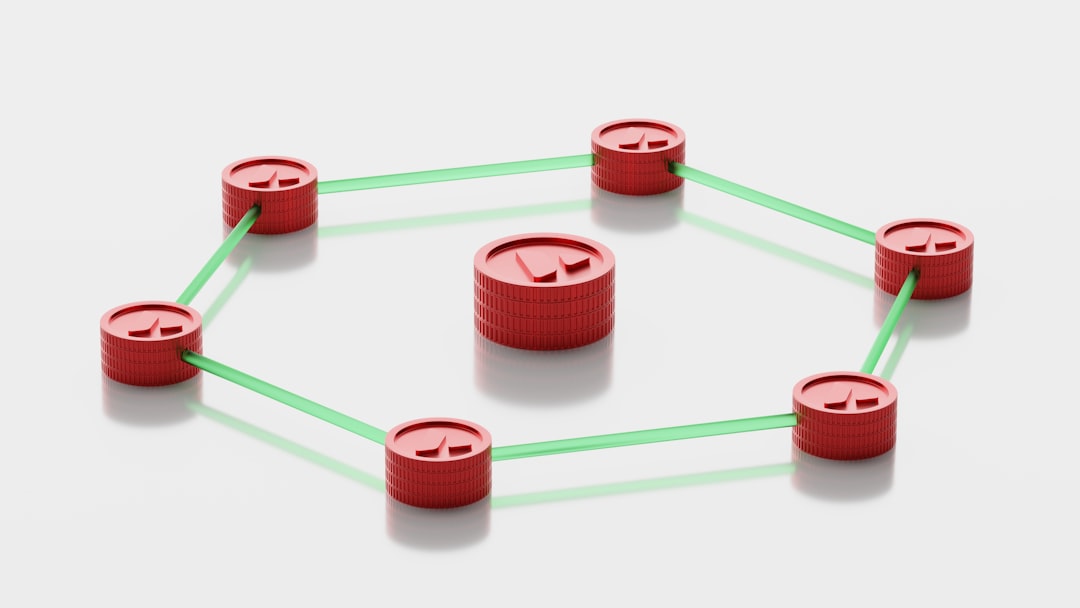
Instead of connecting you directly to a website, Tor sends your traffic through multiple servers around the world. These are called nodes. Each node only knows the step before and after it. Not the whole route.
This process is called onion routing.
Think of it like this:
- You put a letter inside a box.
- Then you put that box inside another box.
- Then inside another.
Each layer hides the one inside. When the message travels, each stop removes one layer. But no single stop knows both who sent it and where it ends.
Smart. Simple. Powerful.
Why Privacy Matters More in 2026
In 2026, tracking is more advanced than ever.
- Websites track fingerprints from your device.
- Apps collect behavior data.
- Advertisers build detailed profiles.
- Data brokers sell personal information.
Even smart home devices can feed data into large systems. Your fridge might not spy on you. But the apps connected to it might.
Many people are tired of this. They want control. They want choice. They want digital silence.
That is where Tor and similar browsers come in.
How Tor Browser Works in 2026
Tor Browser has improved a lot over the years.
In 2026, it is:
- Faster than older versions
- More user friendly
- Better at blocking fingerprinting
- Stronger against tracking scripts
It still runs on the Tor network. That hasn’t changed. But the experience feels smoother.
When you open Tor Browser and visit a site:
- Your data is encrypted.
- It passes through three random Tor nodes.
- Your IP address is hidden.
- The website sees the exit node, not you.
This makes it very hard to trace activity back to your real location.
Important note: Tor protects your connection. But it does not magically make you invisible. If you log into your real social media account, that site still knows it is you.
Privacy tools work best with smart behavior.
Who Uses Tor in 2026?
You might think only hackers or spies use Tor. That is a myth.
In reality, many types of people use privacy browsers:
- Journalists protecting sources
- Activists in restrictive countries
- Researchers studying sensitive topics
- Everyday users who dislike ads
- People avoiding price discrimination
Yes, price discrimination.
Some websites show different prices based on your location or browsing history. Anonymous browsing can reduce this behavior.
Privacy is not about hiding crimes. It is about protecting choices.
The Dark Web Question
Tor is often linked with the dark web. That sounds scary. But let’s simplify it.
The dark web is just content not indexed by regular search engines. Some of it is illegal. Some of it is perfectly legitimate.
For example:
- Secure whistleblower platforms
- Independent forums
- Censorship resistant news sites
Tor allows access to both regular websites and special .onion websites. The technology itself is neutral. It depends on how people use it.
Just like email. Or cars. Tools are tools.
Strengths of Tor Browser
Let’s look at what makes Tor strong.
1. IP Address Protection
Your real IP address stays hidden. Websites cannot easily track your location.
2. Built-In Encryption
Your traffic is encrypted multiple times as it moves through the network.
3. Anti-Fingerprinting
Tor tries to make all users look the same. Same window size. Similar browser setup. This reduces uniqueness.
4. No Tracking by Default
Scripts and trackers are heavily restricted.
5. Free and Open Source
Anyone can inspect the code. Transparency builds trust.
Limitations You Should Know
No tool is perfect.
Tor in 2026 is better. But it still has limits.
- It can be slower than regular browsers.
- Some websites block Tor traffic.
- Downloads can be risky if opened outside Tor.
- User mistakes can reduce anonymity.
For example, if you download a PDF and open it while connected to the internet normally, that file could connect outside the Tor network.
That is why education matters.
Privacy Browsers vs VPNs
Many people ask: Why not just use a VPN?
Good question.
A VPN hides your IP address from websites. But the VPN company can still see your traffic.
With Tor:
- No single point knows everything.
- Trust is distributed.
- The system is decentralized.
VPNs are great for:
- Streaming
- Public WiFi protection
- Quick location changes
Tor is better for:
- Strong anonymity
- Research
- Bypassing censorship
Some advanced users even combine both.
The User Experience in 2026
Years ago, Tor felt complicated. Not anymore.
In 2026, installation is simple:
- Download from the official site.
- Install like any browser.
- Click connect.
That is it.
The interface looks familiar. It feels like a normal browser. Tabs. Bookmarks. Settings. Nothing scary.
There are also mobile versions with improved stability. This matters because many users now browse mostly on phones.
More people are discovering that privacy does not need to be complex.
Governments and Privacy Browsers
The relationship is mixed.
Some governments support privacy tools. They see them as tools for freedom of speech.
Others try to block or restrict them.
In response, the Tor network continues to develop bridge relays. These help users connect even in regions where Tor is filtered.
It becomes a technical chess game. Block. Adapt. Improve.
So far, Tor remains alive and strong.
Tips for Safer Anonymous Browsing
If you plan to use Tor in 2026, keep these simple rules in mind:
- Do not log into personal accounts if you want anonymity.
- Avoid installing extra browser extensions.
- Keep Tor updated.
- Do not resize the browser window randomly.
- Be careful with downloads.
Anonymity is not just software. It is behavior.
The Future of Anonymous Browsing
What comes next?
Experts predict:
- Stronger encryption standards
- Faster decentralized networks
- Better mobile integration
- More privacy by default in mainstream browsers
Interestingly, regular browsers are copying privacy features pioneered by Tor. Anti-tracking tools. Cookie blocking. Private modes.
Tor pushed the industry forward.
In 2026, privacy is no longer seen as extreme. It is seen as normal.
Final Thoughts
The internet can feel noisy. Ads follow you. Suggestions predict you. Algorithms shape what you see.
Privacy browsers like Tor offer something rare.
Silence.
No personalized feeds. No targeted ads. No invisible profiling based on your history.
Just you and the web.
They are not perfect. They require awareness. But they give power back to users.
In a world built on data, choosing anonymity is a bold move. And in 2026, it is easier than ever.
Sometimes freedom is not about saying more.
Sometimes it is about leaving no trace at all.