
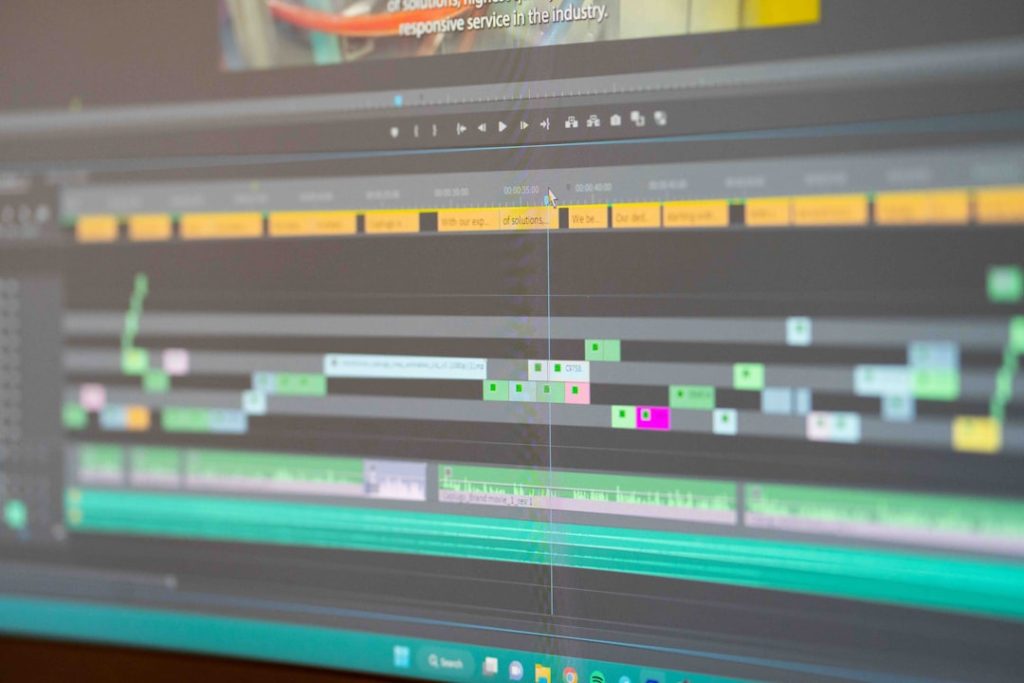
Video content has become central to communication across education, marketing, entertainment, and corporate training. As audiences grow increasingly global and mobile, captions are no longer optional—they are essential. Subtitle generator tools that automatically add captions have emerged as critical solutions for improving accessibility, engagement, and search visibility. These tools combine speech recognition, artificial intelligence, and language processing to transform spoken words into accurate on-screen text in minutes.
TLDR: Subtitle generator tools use artificial intelligence to automatically convert spoken audio into captions, saving time and improving accuracy. They enhance accessibility, boost viewer engagement, and support multilingual audiences. Modern platforms offer editing, translation, and export features suitable for creators, businesses, and educators. Choosing the right tool depends on accuracy, language support, integration, and compliance needs.
Why Automatic Captions Matter More Than Ever
Captions serve several critical purposes beyond simply displaying text on a screen. They make video content accessible to people with hearing impairments, support viewers watching without sound, and improve comprehension for non-native speakers. In professional contexts, captions also help meet legal accessibility standards in many jurisdictions.
Research consistently shows that videos with captions experience higher watch times and stronger engagement rates. Social media users frequently watch videos on mute, especially in public or work environments. Without subtitles, much of the message is lost.
Benefits of subtitle generator tools include:
- Improved accessibility for hearing-impaired audiences
- Higher viewer retention due to easier comprehension
- Enhanced SEO through indexed text data
- Broader audience reach via translation features
- Compliance with accessibility regulations
Manual captioning, while accurate, is time-consuming and costly. Automatic subtitle generators significantly reduce production timelines without sacrificing professional standards.
How Subtitle Generator Tools Work
Modern subtitle generators rely on advanced speech recognition models powered by artificial intelligence. These systems are trained on large datasets containing diverse accents, languages, and speech patterns.
The process generally follows these steps:
- Audio extraction from video files
- Speech-to-text transcription using AI models
- Timecode alignment to synchronize text with spoken words
- Optional editing and formatting adjustments
- Export in subtitle formats such as SRT or VTT
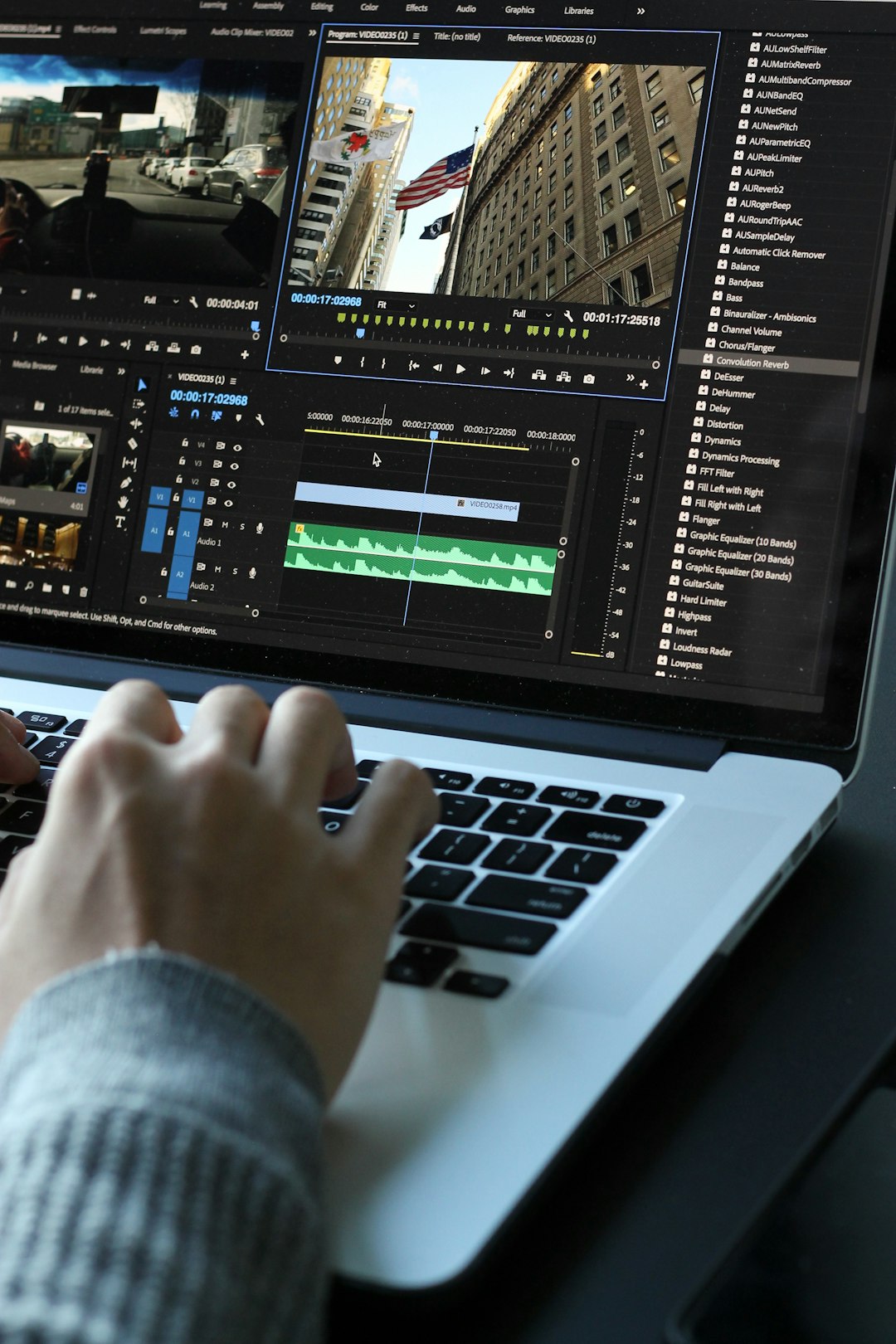
Many platforms now perform this process in real time or within minutes, even for lengthy videos. Advanced tools incorporate automatic punctuation, speaker recognition, and contextual corrections to enhance readability.
Key Features to Look for in Subtitle Generator Tools
Not all subtitle tools are created equal. While most offer basic transcription, professional users should evaluate platforms according to specific functional criteria.
1. Accuracy and Language Support
High transcription accuracy is essential. Leading platforms often boast accuracy rates above 90%, though real-world performance depends on audio clarity. Multilingual support is equally important, particularly for international businesses and content creators.
2. Editing Capabilities
Even the best AI systems require human review. A robust subtitle generator should include:
- Text editing within the platform
- Timeline synchronization adjustments
- Speaker labeling features
- Style customization options
3. Translation and Localization
Many tools offer automatic translation into dozens of languages. While machine translation may not fully replace professional localization, it allows rapid expansion into global markets.
4. Export Formats
Compatibility matters. Professional workflows may require exporting subtitles in formats such as:
- SRT
- VTT
- TXT
- Embedded captions in MP4 files
5. Integration with Editing Platforms
Some subtitle generators integrate directly with video editing software, content management systems, or social media platforms. This reduces manual file handling and streamlines publishing.
Applications Across Industries
Subtitle generator tools are used across a broad range of industries. Their value extends far beyond content creation.
Education and E-Learning
In educational institutions, captions improve comprehension and knowledge retention. Students benefit from reading alongside hearing, especially when studying complex material or technical subjects.

Subtitles also assist learners who are not native speakers of the instructional language.
Corporate Communications
Businesses use video for internal training, onboarding, and executive messaging. Automatic captions ensure clarity across multinational teams and support employees who may require assistive technologies.
Marketing and Social Media
Marketing professionals rely heavily on video for brand storytelling and product promotion. Captioned videos consistently outperform non-captioned versions in engagement metrics. Automatic subtitle tools allow marketing teams to scale content efficiently.
Media and Entertainment
Streaming platforms and content studios use advanced subtitle systems to meet accessibility regulations and serve international audiences. Automated workflows dramatically reduce turnaround times for new releases.
Accessibility and Legal Compliance
In many regions, digital accessibility is not just recommended—it is legally mandated. Regulations require businesses, educational institutions, and government entities to provide accessible content. Failure to comply can result in fines, legal challenges, and reputational damage.
Subtitle generator tools help organizations meet standards such as:
- Web Content Accessibility Guidelines (WCAG)
- National disability legislation
- Broadcast accessibility requirements
While automatic captions are a powerful starting point, best practice involves reviewing AI-generated text for accuracy before publication.
Limitations and Considerations
Despite significant advances, automatic subtitle generators are not perfect. Accuracy may decline in the presence of:
- Strong accents or regional dialects
- Background noise
- Multiple overlapping speakers
- Technical jargon
Human review remains an important step in professional production workflows. Organizations working in legal, medical, or scientific fields should exercise particular caution when relying on automated transcription.

Data privacy is another critical factor. Sensitive corporate videos or confidential meetings require secure processing environments. Companies should evaluate encryption standards and data retention policies before adopting a platform.
Best Practices for Using Subtitle Generator Tools
To achieve the highest quality results, consider implementing the following best practices:
- Record high-quality audio: Use professional microphones and minimize background noise.
- Review and edit: Always proofread automatic captions before publishing.
- Ensure proper timing: Subtitles should synchronize naturally with speech.
- Keep lines concise: Avoid overcrowding the screen with excessive text.
- Test across devices: Confirm visibility on mobile, tablet, and desktop screens.
Consistent quality control ensures subtitles enhance rather than detract from the viewing experience.
The Role of Artificial Intelligence in Future Developments
AI-driven subtitle generation continues to evolve rapidly. Emerging technologies promise improvements in contextual understanding, emotional tone detection, and real-time translation. Some systems are integrating voice recognition to distinguish between speakers automatically, which is particularly valuable for interviews and panel discussions.
In the near future, subtitle tools may offer enhanced personalization features, allowing viewers to adjust font style, size, and language preferences dynamically. Real-time captioning for live events is also becoming increasingly accurate and accessible.
As machine learning models improve, the gap between automated and human transcription quality continues to narrow.
Choosing the Right Subtitle Generator Tool
Selecting an appropriate subtitle generator requires careful evaluation of operational needs. Organizations should assess:
- Volume of video content produced monthly
- Required languages and dialects
- Security and compliance requirements
- Budget constraints
- Integration with existing workflows
Small content creators may prioritize affordability and ease of use, while enterprises may focus on scalability and regulatory compliance. Trial periods and pilot testing can help determine suitability before making long-term commitments.
Conclusion
Subtitle generator tools have become indispensable in modern video production. By automating the captioning process, they enable organizations to enhance accessibility, expand global reach, and increase audience engagement without excessive manual effort. While careful review remains necessary to ensure accuracy, advancements in artificial intelligence continue to elevate the reliability of automated transcription.
In a digital landscape where video dominates communication, the ability to add captions quickly and professionally is no longer a competitive advantage—it is an operational requirement. Organizations that adopt reliable subtitle generator tools position themselves to deliver inclusive, compliant, and highly effective content across every platform.