In Dallas, where finance, healthcare, logistics, energy, real estate, and technology companies operate in a fast-moving digital economy, cybersecurity has become a core business requirement rather than a technical afterthought. Managed security solutions help organizations protect networks, data, cloud platforms, endpoints, applications, and users through continuous monitoring, expert response, and strategic risk management.
TLDR: Managed security solutions in Dallas provide businesses with ongoing protection against cyber threats, data breaches, ransomware, phishing, and compliance risks. These services typically include 24/7 monitoring, threat detection, incident response, vulnerability management, endpoint protection, cloud security, and security consulting. For Dallas organizations, working with a managed security provider can reduce risk, improve resilience, and give internal teams access to specialized cybersecurity expertise without building a full in-house security operation.
The Growing Need for Managed Security Solutions in Dallas
Dallas is home to a large and diverse business community, including corporations, startups, healthcare providers, law firms, financial institutions, manufacturers, and professional service organizations. This broad commercial environment makes the region an attractive target for cybercriminals. Attackers often look for businesses that store sensitive information, process payments, manage client records, or rely on digital systems to maintain daily operations.
Managed security solutions are designed to help these organizations stay protected in an environment where threats evolve constantly. Instead of relying only on basic antivirus software or occasional IT maintenance, a managed security approach provides continuous oversight, proactive defense, and rapid response. This is especially important for companies that may not have the budget or staff to operate a full internal security operations center.
Cybersecurity risks in Dallas are not limited to large enterprises. Small and mid-sized businesses are frequently targeted because attackers assume they have fewer protections in place. A single ransomware attack, compromised email account, or data breach can lead to downtime, financial loss, legal exposure, and reputational damage. Managed security providers help reduce these risks through layered protection and expert support.
What Managed Security Solutions Include
Managed security solutions can vary depending on the provider and the needs of the organization, but most services include several essential components. These services are usually delivered through a combination of advanced security tools, trained analysts, documented processes, and ongoing reporting.
- 24/7 security monitoring: Security events are monitored around the clock to identify suspicious activity, unauthorized access, malware behavior, and potential breaches.
- Threat detection and response: Managed security teams investigate alerts, determine severity, and take action to contain or eliminate threats.
- Endpoint protection: Laptops, desktops, servers, and mobile devices are protected against malware, ransomware, and unauthorized activity.
- Firewall and network security management: Firewalls, intrusion prevention systems, and network controls are configured, monitored, and updated.
- Vulnerability management: Systems are scanned for weaknesses, outdated software, misconfigurations, and exploitable gaps.
- Cloud security: Cloud platforms, SaaS applications, and remote work environments are secured against identity attacks and data exposure.
- Security awareness training: Employees receive education on phishing, password safety, social engineering, and safe data handling.
- Compliance support: Organizations receive help aligning security practices with frameworks such as HIPAA, PCI DSS, SOC 2, and other industry requirements.
Why Dallas Businesses Choose Managed Security Providers
Many Dallas organizations choose managed security providers because cybersecurity requires specialized knowledge, continuous attention, and expensive technology. Hiring a full internal cybersecurity team can be costly, especially when coverage is needed outside normal business hours. Managed security services allow businesses to access skilled professionals and enterprise-grade tools through a more predictable operating model.
Another benefit is scalability. A growing company may start with basic monitoring, endpoint protection, and email security, then expand into advanced threat hunting, compliance reporting, and incident response planning. Managed security solutions can evolve as the business adds employees, opens new locations, migrates to the cloud, or enters regulated markets.
For leadership teams, managed security also improves visibility. Executives and managers often need clear explanations of risk, not just technical alerts. A strong provider delivers reports that show trends, vulnerabilities, blocked threats, response activity, and recommended improvements. This helps decision-makers prioritize security investments and demonstrate due diligence.
Key Threats Facing Dallas Organizations
The cyber threat landscape is broad, but several risks are especially common for businesses in the Dallas area. These threats affect organizations of every size and industry.
- Ransomware: Attackers encrypt business files and demand payment, often threatening to leak stolen data if payment is not made.
- Phishing: Fraudulent emails trick employees into revealing passwords, approving fake invoices, or downloading malicious files.
- Business email compromise: Criminals gain access to email accounts and use them to redirect payments or impersonate executives.
- Cloud misconfiguration: Improperly secured cloud storage, applications, or identities can expose sensitive data.
- Insider threats: Employees, contractors, or former staff members may intentionally or unintentionally put systems at risk.
- Unpatched systems: Outdated software creates openings that attackers can exploit quickly and automatically.
Managed security solutions address these risks by combining prevention, detection, response, and recovery planning. No single tool can stop every attack, which is why layered defense is so important.
The Role of a Security Operations Center
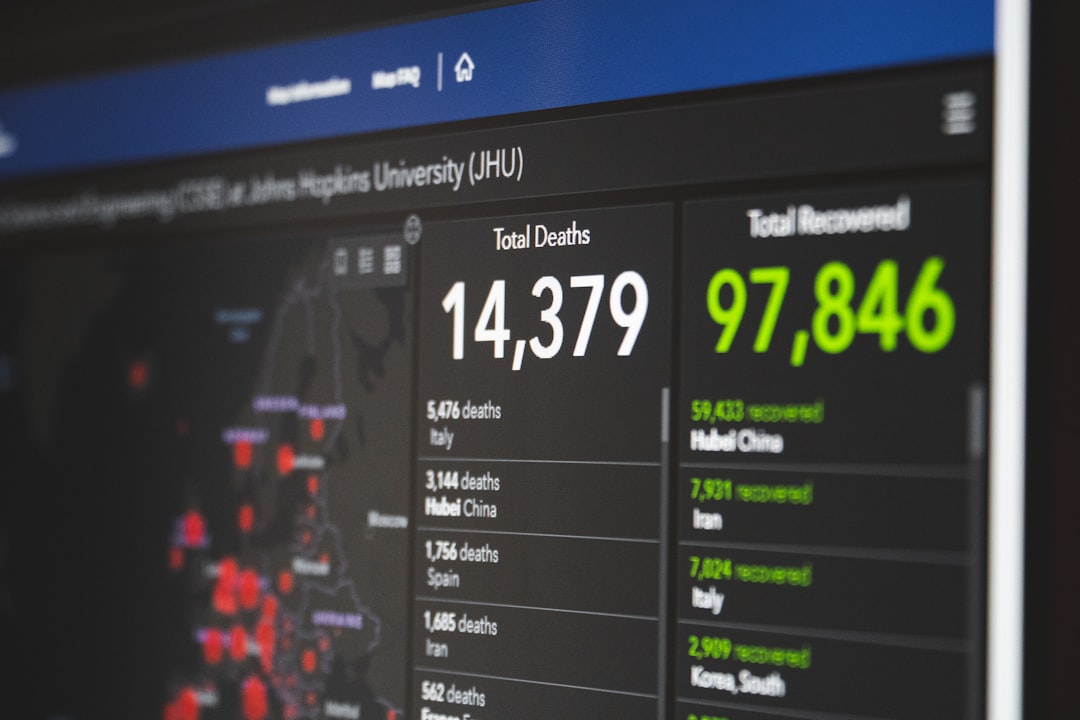
A major component of many managed security solutions is access to a Security Operations Center, often called a SOC. A SOC is a centralized team that monitors security alerts, analyzes suspicious behavior, and coordinates response actions. For many businesses, building an internal SOC is unrealistic because it requires analysts, engineers, threat intelligence, response procedures, and monitoring tools that operate continuously.
Through a managed security provider, Dallas businesses can benefit from SOC capabilities without managing the entire operation internally. Analysts review alerts generated by endpoint tools, firewalls, identity systems, cloud platforms, and network sensors. When a threat is confirmed, the provider can isolate devices, block malicious traffic, disable compromised accounts, or escalate the issue to internal stakeholders.
This capability is especially valuable during nights, weekends, and holidays, when many attacks are launched. Cybercriminals often take advantage of periods when internal teams are less available. Continuous monitoring helps reduce the time between compromise and response, which can significantly limit damage.
Managed Detection and Response
Managed Detection and Response, or MDR, is one of the most important service categories within managed security. MDR focuses on identifying active threats and responding quickly. While traditional security tools may generate alerts, MDR adds human investigation and guided action.
For example, if a user account logs in from Dallas during the workday and then logs in from another country minutes later, an MDR team may investigate the event as suspicious. If the activity appears malicious, the team can recommend or perform account lockout, password reset, session termination, and additional review. This type of response can stop an attacker before broader damage occurs.
MDR is particularly useful for businesses with hybrid workforces, cloud applications, and distributed offices. As employees use laptops, mobile devices, home networks, and cloud services, security monitoring must extend beyond the traditional office perimeter.
Compliance and Regulatory Considerations
Many Dallas companies operate in regulated industries where cybersecurity is tied directly to legal and contractual obligations. Healthcare organizations must protect patient information. Financial firms must safeguard client and transaction data. Retailers and e-commerce businesses must secure payment information. Professional service firms must protect confidential client records.
Managed security providers can assist with compliance by implementing controls, documenting security activity, supporting audits, and identifying gaps. While a managed provider does not automatically make an organization compliant, it can help create the technical and operational foundation needed to meet requirements.
Common compliance-related services include:
- Risk assessments and gap analysis
- Security policy development
- Access control review
- Log retention and monitoring
- Incident response documentation
- Encryption and data protection guidance
- Audit preparation support
Cloud and Remote Work Security
Dallas businesses increasingly rely on cloud applications, remote teams, and hybrid infrastructure. This creates flexibility, but it also changes the security model. The traditional office network is no longer the only place where security controls must exist. Employees may access company systems from home, airports, client sites, and mobile devices.
Managed security solutions help secure this environment through identity protection, multi-factor authentication, cloud configuration review, device monitoring, and data access controls. Providers may also monitor Microsoft 365, Google Workspace, cloud servers, and SaaS platforms for unusual behavior.
Identity security is especially important. Many modern attacks begin with stolen credentials rather than malware. If an attacker obtains a valid username and password, the activity may appear legitimate unless additional monitoring is in place. Managed security services can detect impossible travel, suspicious login attempts, privilege escalation, and abnormal access patterns.

Incident Response and Business Continuity
Even with strong defenses, no organization can assume that incidents will never happen. Managed security solutions often include incident response planning and support. This gives businesses a structured process for handling cyber events, reducing confusion, and restoring operations as quickly as possible.
An effective incident response plan defines who should be contacted, what systems should be isolated, how evidence should be preserved, how customers or regulators may be notified, and how recovery should proceed. Providers may also offer tabletop exercises, where leadership and IT teams walk through simulated cyber incidents to test readiness.
Business continuity is closely related. If ransomware or a system outage occurs, the organization must know how to restore data, communicate with stakeholders, and maintain essential operations. Managed security providers often coordinate with backup and disaster recovery teams to ensure that recovery plans are realistic and tested.
How to Choose a Managed Security Provider in Dallas
Selecting the right managed security provider requires careful evaluation. A business should look beyond basic pricing and consider expertise, responsiveness, tools, reporting, and industry experience. The provider should understand the organization’s risk profile and be able to explain services in clear business terms.
Important evaluation factors include:
- Local and regional understanding: A Dallas-focused provider may better understand the region’s business environment, common industry needs, and service expectations.
- 24/7 monitoring capability: Security threats do not follow normal office hours, so continuous coverage is important.
- Clear service level agreements: Response times, escalation paths, and responsibilities should be documented.
- Experienced security analysts: The provider should have qualified professionals who can investigate and respond to real threats.
- Transparent reporting: Clients should receive understandable reports showing activity, risks, improvements, and recommendations.
- Scalable services: The solution should be able to grow as the business grows.
- Compliance knowledge: Providers serving regulated industries should understand relevant frameworks and requirements.
The Business Value of Managed Security
The value of managed security solutions extends beyond technical protection. Strong cybersecurity supports customer trust, operational stability, insurance readiness, and long-term growth. When a company can demonstrate that it takes security seriously, it may be better positioned to win contracts, satisfy vendor reviews, and meet client expectations.
Managed security can also improve internal efficiency. Instead of forcing internal IT staff to chase every alert, patch every system manually, and investigate every suspicious email, a provider can handle many security operations. This allows internal teams to focus on business applications, infrastructure improvements, user support, and strategic technology projects.
For many Dallas organizations, the question is no longer whether cybersecurity is necessary. The question is how to manage it effectively, affordably, and continuously. Managed security solutions provide a practical path toward stronger protection and better resilience.
FAQ: Managed Security Solutions Dallas
What are managed security solutions?
Managed security solutions are outsourced cybersecurity services that protect an organization’s systems, data, users, and networks. They often include monitoring, threat detection, incident response, vulnerability management, endpoint protection, cloud security, and compliance support.
Why are managed security solutions important for Dallas businesses?
Dallas businesses operate in a competitive and digitally connected environment, making them attractive targets for cybercriminals. Managed security solutions help reduce the risk of ransomware, phishing, data breaches, business email compromise, and operational disruption.
Are managed security services only for large companies?
No. Small and mid-sized businesses often benefit significantly from managed security services because they may not have internal cybersecurity teams. A managed provider gives them access to specialized tools and expertise at a more predictable cost.
What is the difference between managed IT and managed security?
Managed IT focuses on general technology support, such as devices, networks, software, and help desk services. Managed security focuses specifically on protecting systems from cyber threats, detecting suspicious activity, responding to incidents, and reducing security risk.
How does 24/7 monitoring help prevent cyber damage?
Continuous monitoring helps detect threats quickly, including attacks that occur after business hours. Faster detection and response can reduce downtime, limit data exposure, and prevent an attacker from moving deeper into the organization’s systems.
Can managed security providers help with compliance?
Yes. Managed security providers can support compliance by implementing security controls, monitoring activity, maintaining logs, preparing reports, and identifying gaps. However, compliance responsibility still remains with the organization.
What should a business look for in a Dallas managed security provider?
A business should look for experience, 24/7 monitoring, strong response processes, transparent reporting, scalable services, compliance knowledge, and clear communication. The provider should also be able to align cybersecurity recommendations with business goals.
How often should managed security services be reviewed?
Managed security services should be reviewed regularly, often quarterly or at least annually. Reviews help ensure that protections remain aligned with changing threats, business growth, new technologies, and compliance requirements.