

Few mobile word games have aged as gracefully as SpellTower. First released during the early boom of smartphone puzzle apps, it arrived with a simple idea: combine the vocabulary challenge of word games with the spatial pressure of a falling block puzzle. Years later, it still feels sharp, elegant, and surprisingly tense, proving that a great concept does not need constant gimmicks to remain engaging.
TLDR: SpellTower remains popular because it blends word building, strategy, and puzzle pressure in a way that feels easy to learn but difficult to master. Its clean design, multiple game modes, and satisfying risk reward decisions make it more than a simple vocabulary test. Whether you play for a quick brain workout or long high score sessions, it continues to offer a polished and addictive experience.
A Word Game with Puzzle Game Pressure
At its core, SpellTower asks players to form words by connecting adjacent letter tiles. Once a word is submitted, those tiles disappear, and the remaining letters shift downward. That sounds familiar enough, but the clever twist is that the board is constantly becoming more crowded, and certain modes add new rows of letters over time. If the stack reaches the top, the game ends.
This creates a different kind of word game rhythm. You are not simply searching for the longest word or the fanciest vocabulary flex. You are also thinking about board control. Removing a short word may help in the moment, but it could leave behind awkward tiles that cause trouble later. Holding out for a longer word might score more points, but it could also let the board climb dangerously high.
That tension is a big reason the game still works. SpellTower rewards vocabulary, yes, but it also rewards planning, patience, and pattern recognition. A player with a huge vocabulary may still lose if they ignore the shape of the board. Meanwhile, a careful strategist can survive longer by clearing useful sections and setting up better opportunities.
Simple Rules, Deep Decisions
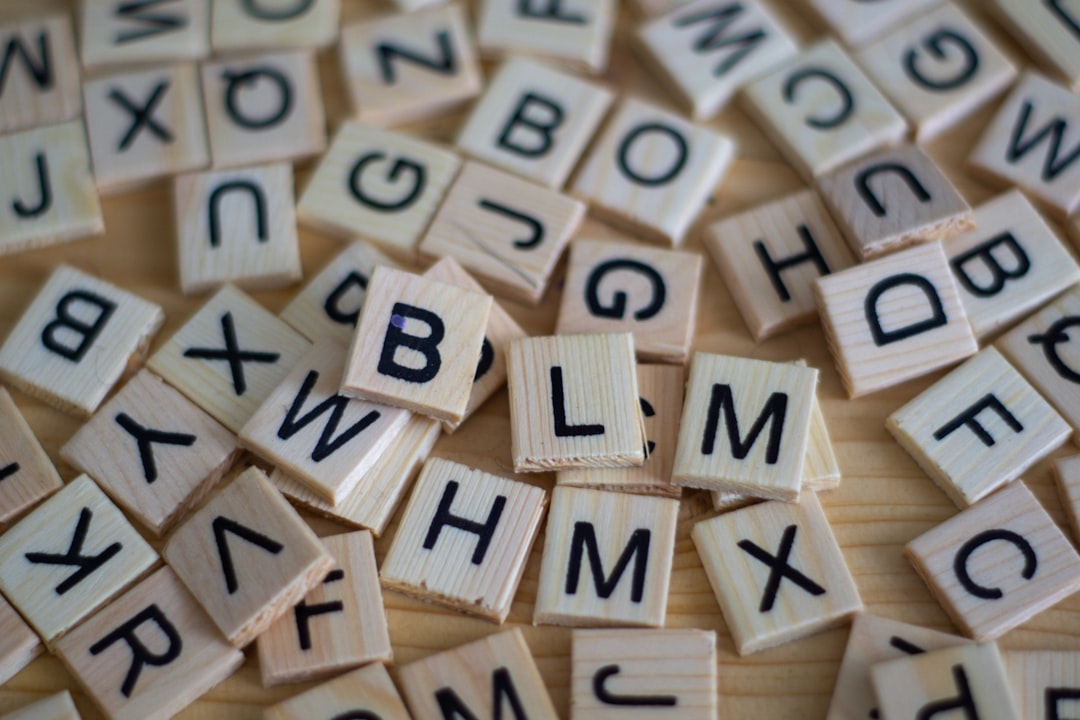
One of the strongest parts of SpellTower is how quickly it communicates its rules. You drag across letters to spell a word. Longer words score better. Rare letters are valuable. Clear tiles before the board fills up. That is basically all a new player needs to understand before starting.
But beneath that simple surface is a surprising amount of depth. Every move asks a few quiet questions:
- Should you clear letters now or wait for a better word?
- Is it worth using a high value letter in a small word?
- Will removing this word create new connections?
- Are dangerous columns building too quickly?
- Can you sacrifice points now to survive longer?
These decisions give the game its staying power. It is not just a matter of spotting words; it is about choosing the right word at the right time. The best move is not always the longest word available. Sometimes a modest three or four letter word can open the board, collapse a column, or prevent disaster.
Game Modes That Keep the Formula Fresh
SpellTower has endured partly because it offers several ways to experience the same central mechanics. Instead of relying on one mode, it gives players different levels of pressure and strategy. This makes it easy to match the game to your mood.
Some players prefer a slower, more thoughtful mode where they can study the board and plan carefully. Others enjoy the intensity of modes where new letters appear and the game begins to feel like a race against gravity. The best versions of SpellTower understand that word games can be relaxing, stressful, or competitive depending on how the rules are arranged.
Common mode styles include:
- Classic style play: A more traditional puzzle experience focused on lasting as long as possible.
- Timed challenges: Faster sessions where quick thinking matters as much as vocabulary.
- Strategic survival modes: Boards that demand careful clearing and long term planning.
- Daily or score focused play: Sessions built around improvement, comparison, and repeat attempts.
This variety matters because the basic action of forming words could become repetitive on its own. Different modes change the energy of each session. A relaxing game on one day can become a nail biting challenge on another.
The Appeal of Minimalist Design
Another reason SpellTower remains memorable is its presentation. The game is clean, readable, and focused. It does not overwhelm players with unnecessary animations, loud distractions, or cluttered menus. The letters are the star of the screen, exactly as they should be.
This kind of minimalist design has aged especially well. Many mobile games from the same era feel tied to old trends, but SpellTower still looks purposeful. Its restraint gives it a timeless quality. The interface gets out of the way and lets the puzzle breathe.
That does not mean the game is visually boring. The satisfaction comes from clarity: tiles disappearing, columns collapsing, scores increasing, and the board opening up after a smart move. The feedback is subtle but effective. You can see the consequences of every decision immediately, which makes the game feel responsive and fair.
Why It Feels So Addictive
The addictiveness of SpellTower comes from its balance between control and unpredictability. You always have choices, but you rarely have perfect choices. The board presents letters in ways that are sometimes generous and sometimes cruel. You may see the beginning of a brilliant word but lack the final letter. You may clear one dangerous column only to create another problem elsewhere.
This creates the classic “just one more game” feeling. Losses usually feel avoidable, even when they are not entirely your fault. You think, If I had cleared that Q earlier, or If I had not wasted that S, or If I had gone for survival instead of points. These small regrets encourage another attempt.
The scoring system also helps. Big words feel rewarding, especially when they use difficult letters or clear a large portion of the board. There is a real thrill in discovering a word you almost missed. SpellTower frequently makes players feel clever, and that feeling is one of the most powerful hooks in any puzzle game.
A Game for Vocabulary Lovers and Puzzle Fans
One interesting thing about SpellTower is that it appeals to two overlapping but different audiences. Vocabulary lovers enjoy the hunt for unusual words, prefixes, suffixes, plurals, and surprising letter combinations. Puzzle fans enjoy the board management and survival strategy. The game succeeds because neither side feels secondary.
If you are a word nerd, SpellTower gives you space to experiment. You begin to notice patterns: common endings like ing, ed, and er; useful small words; sneaky ways to connect vowels and consonants. The more you play, the more your eye improves.
If you are more of a logic puzzle player, you may focus less on fancy vocabulary and more on structure. Which column is most dangerous? Which letters are blocking movement? Which word will cause the biggest useful collapse? In this sense, SpellTower feels almost architectural. You are constantly demolishing and rebuilding the board.
How It Compares to Other Word Games
Many word games are built around either competition or pure vocabulary knowledge. Games like crossword apps, anagram challenges, and tile based board games often emphasize finding the best word from a fixed set of letters. SpellTower does something slightly different: it makes the board itself a living problem.
That board pressure gives it a stronger arcade feeling than many traditional word games. It is less formal than a crossword and less socially dependent than multiplayer word games. You can play alone, improve at your own pace, and finish a session in a few minutes or stretch it into a longer challenge.
This makes SpellTower especially well suited for mobile play. It works during short breaks, commutes, waiting rooms, or quiet evenings. The game does not require a long tutorial or a major time commitment. Yet when you want depth, it is there.
The Satisfaction of Improvement
A major reason players keep returning is that SpellTower makes improvement visible. At first, many players focus on obvious words. Then they start recognizing more connections. Later, they learn to plan collapses, save valuable letters, and avoid trapping themselves with isolated consonants.
This learning curve is gentle but meaningful. You do not need to memorize complex systems, but you do develop instincts. You become faster at spotting playable combinations. You learn when to take points and when to prioritize survival. You begin to understand that a clean board can be more valuable than a flashy score.
That steady sense of mastery is one of the best things a puzzle game can offer. SpellTower rarely feels random or unfair for long. Even when the letter draw is difficult, skilled play can often delay defeat and create opportunities.

Who Should Play SpellTower?
SpellTower is easy to recommend, but it is especially good for certain types of players:
- Fans of word games who want something more dynamic than a standard anagram puzzle.
- Puzzle players who enjoy planning several moves ahead.
- Mobile gamers looking for short sessions with real depth.
- High score chasers who like improving through repeated attempts.
- Casual players who want a smart game without complicated rules.
It may be less appealing to players who want story, progression systems, character upgrades, or flashy rewards. SpellTower is more traditional in spirit. Its reward is the game itself: better words, cleaner moves, higher scores, and longer survival.
Why SpellTower Still Matters
The continued popularity of SpellTower says something important about good game design. A lasting mobile game does not need endless features or constant spectacle. It needs a strong central idea, clear rules, meaningful decisions, and a satisfying loop. SpellTower has all of these.
Its genius is in the way it turns language into space. Words are not just answers; they are tools. Every word you form changes the board, opens possibilities, and creates consequences. That makes each session feel personal, because the board becomes a record of your decisions.
In a crowded market full of disposable puzzle apps, SpellTower remains popular because it respects the player’s intelligence. It is simple without being shallow, challenging without being hostile, and elegant without feeling empty. Whether you are discovering it for the first time or returning after years away, it still offers one of the most satisfying word puzzle experiences on mobile.
Final verdict: SpellTower endures because it understands the magic of a great puzzle: easy entry, endless nuance, and the constant temptation to try again. For anyone who enjoys words, strategy, or beautifully focused mobile games, it remains well worth playing.