

Educators, trainers, and employers often use the words quiz and test as if they mean the same thing. While both measure learning, they usually serve different purposes, carry different levels of importance, and require different approaches to design. Understanding the difference helps instructors choose the right assessment for the right moment.
TLDR: A quiz is usually a short, low-stakes assessment used to check understanding, reinforce learning, or provide quick feedback. A test is typically longer, more formal, and higher stakes, often used to measure mastery of a larger body of knowledge. Quizzes are best used frequently during learning, while tests are best used after instruction to evaluate performance. Both are most effective when they are clearly aligned with learning goals.
What Is a Quiz?
A quiz is a short assessment that focuses on a limited topic, skill, or lesson. It is commonly used to determine whether learners understand recently presented material. In most settings, quizzes are considered formative assessments, meaning they help guide learning while it is still happening.
For example, a teacher may give a five-question quiz after a lesson on fractions to see whether students can identify equivalent fractions. A workplace trainer may use a short quiz at the end of a safety module to check whether employees remember key procedures. In both cases, the quiz provides quick insight into what learners know and what may need to be reviewed.
Quizzes are often low stakes. They may count for a small percentage of a grade, or they may not be graded at all. Their main value is feedback. When designed well, a quiz helps learners identify gaps in understanding before those gaps become larger problems.
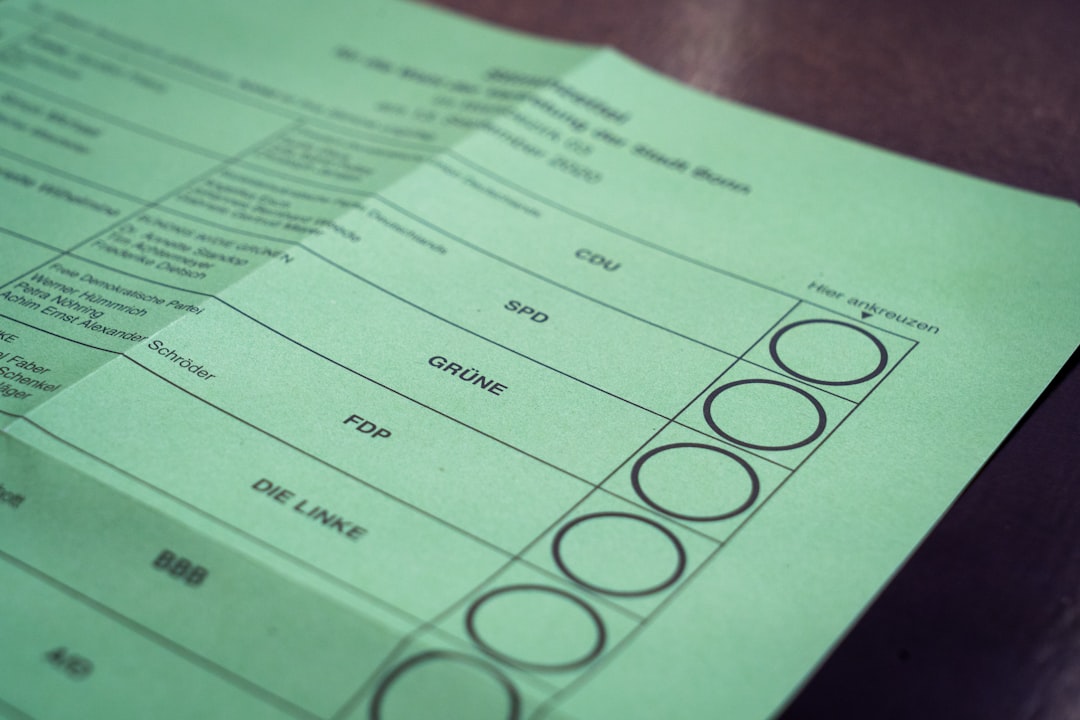
What Is a Test?
A test is a more comprehensive assessment that measures knowledge, skills, or performance across a broader area. Tests are usually more formal than quizzes and are often used after a unit, course, training program, or major topic has been completed.
Tests are commonly considered summative assessments. This means they summarize what a learner has achieved after a period of instruction. A final exam in a history course, a certification exam for a professional skill, or a midterm covering several chapters are all examples of tests.
Because tests often influence grades, promotion, certification, or placement, they tend to be higher stakes. They may include more questions, deeper problem-solving tasks, essays, case studies, or practical demonstrations. A test is not simply longer than a quiz; it usually has a bigger purpose and a greater impact on the learner’s outcome.
Key Differences Between a Quiz and a Test
Although quizzes and tests overlap, several differences help distinguish them:
- Length: Quizzes are usually short, while tests are generally longer and more detailed.
- Scope: A quiz covers a small topic or recent lesson; a test covers a larger unit, course section, or skill set.
- Stakes: Quizzes are typically low stakes; tests are often higher stakes.
- Purpose: Quizzes check understanding and encourage practice; tests evaluate mastery and performance.
- Frequency: Quizzes may happen weekly, daily, or after each lesson; tests are usually less frequent.
- Feedback: Quizzes often provide immediate feedback; tests may provide formal results after grading.
These distinctions are not absolute. In some classrooms, a quiz may be graded heavily. In some training programs, a test may be used mainly for practice. Still, the general pattern remains: quizzes support learning during the process, while tests measure achievement after instruction.
Examples of Quizzes
Quizzes can take many forms depending on the learning environment. Common examples include:
- Pop quiz: An unannounced short assessment used to encourage preparation and attention.
- Exit quiz: A quick quiz at the end of a lesson to check what learners retained.
- Online knowledge check: A brief digital quiz built into an e learning module.
- Vocabulary quiz: A short assessment focused on definitions, spelling, or usage.
- Practice quiz: A non graded or lightly graded activity that prepares learners for a future test.
In each example, the quiz is narrow in focus and designed to provide quick information. It tells the instructor whether learners are ready to move forward or need additional support.
Examples of Tests
Tests are usually broader and more structured. Examples include:
- Unit test: An assessment covering several lessons within one topic.
- Midterm exam: A test given halfway through a course to evaluate progress.
- Final exam: A comprehensive test at the end of a course.
- Placement test: An assessment used to determine a learner’s current level.
- Certification test: A formal assessment used to verify professional competence.
Tests often require learners to connect multiple ideas, apply concepts, and demonstrate deeper understanding. They may include a mix of question types, such as multiple choice, short answer, essays, calculations, and performance tasks.

Best Practices for Creating a Quiz
An effective quiz should be simple, focused, and useful. The following best practices can help:
- Keep it short: A quiz should usually take only a few minutes to complete.
- Focus on recent learning: Questions should connect directly to the lesson or skill just taught.
- Use clear wording: Ambiguous questions reduce the value of the results.
- Give timely feedback: Learners benefit most when they know quickly what they got right or wrong.
- Use results to adjust instruction: If many learners miss the same question, the topic may need reteaching.
Quizzes should not feel like traps. Their main purpose is to strengthen learning, not punish mistakes. When learners view quizzes as opportunities to practice, they are more likely to engage honestly and benefit from the feedback.
Best Practices for Creating a Test
A strong test should be fair, aligned with objectives, and appropriately challenging. Instructors and assessment designers should consider these practices:
- Align questions with goals: Every question should measure something important that was taught or practiced.
- Use a variety of question types: A mix of formats can assess recall, understanding, application, and analysis.
- Balance difficulty: A test should include accessible questions as well as more challenging ones.
- Create clear instructions: Learners should understand what is expected before they begin.
- Review for fairness: Questions should avoid confusing language, cultural bias, or content that was not covered.
Tests should measure meaningful learning, not just memorization. While factual recall is sometimes necessary, a strong test also asks learners to apply knowledge in realistic or thoughtful ways.
When to Use a Quiz Instead of a Test
A quiz is the better choice when the goal is to check progress, encourage review, or provide quick feedback. It works well during a lesson sequence, after a small topic, or before a larger assessment. Frequent quizzes can also reduce test anxiety because learners become more familiar with the material over time.
A test is the better choice when the goal is to make a formal judgment about achievement. Tests are appropriate at the end of a unit, course, or training program, especially when results will influence grades, certification, or advancement.

Why the Difference Matters
Knowing the difference between a quiz and a test supports better teaching and better learning. Learners need opportunities to practice without severe consequences, and quizzes provide that space. They also need fair ways to demonstrate mastery, and tests provide that structure.
When quizzes and tests are used together, they create a balanced assessment system. Quizzes help learners prepare, while tests evaluate how well they have learned. The most effective educators and trainers do not choose one over the other; they use both with clear purpose.
FAQ
Is a quiz easier than a test?
Usually, a quiz is easier because it is shorter and covers less material. However, a quiz can still be challenging if it asks higher level questions or includes unfamiliar applications.
Does a quiz count toward a grade?
It depends on the instructor or program. Some quizzes are graded, while others are used only for practice or feedback.
Can a test be short?
Yes. A test can be short if it is formal, higher stakes, or designed to evaluate mastery of an important objective. Length is only one factor.
Are quizzes formative or summative?
Quizzes are most often formative because they guide ongoing learning. However, a graded quiz can also have a summative role in some courses.
What is the best number of questions for a quiz?
There is no universal number, but many quizzes include between 5 and 15 questions. The best length depends on the topic, difficulty, and purpose.
What makes a good test?
A good test is fair, clear, aligned with learning goals, and able to measure different levels of understanding. It should reflect what learners were expected to know and do.