
Building an ecommerce company can feel like running a tiny circus. Orders fly in. Ads need testing. Customers ask questions. Inventory hides in strange places. Before the team gets bigger, founders need one simple thing: clear roles.
TLDR: Founder classification helps ecommerce companies decide who owns what. It keeps the team from stepping on each other’s toes. Classify founders by their strongest role, not by ego or job title. Then build the organization around gaps, strengths, and growth goals.
Why Founder Classification Matters
In the early days, every founder does everything. One person writes product copy. Another packs boxes. Someone else is fighting with ad dashboards at 1 a.m.
That is normal. It is also messy.
As the company grows, messy becomes expensive. Work gets repeated. Important tasks get ignored. Decisions take too long. People say things like, “I thought you were handling that.” That sentence is the villain of ecommerce operations.
Founder classification is the process of sorting founders into clear leadership lanes. It helps answer:
- Who owns growth?
- Who owns product?
- Who owns operations?
- Who owns money?
- Who makes the final call when people disagree?
It is not about status. It is about speed, focus, and fewer awkward Slack messages.

The Golden Rule: Classify by Contribution
Do not classify founders by who had the idea first. Do not classify them by who talks the loudest. Do not classify them by who owns the fanciest chair.
Classify founders by real contribution.
Ask these questions:
- What does this founder do best?
- What work do they naturally protect?
- Where do they create the most value?
- What decisions should they make quickly?
- What work should they avoid?
This keeps the structure honest. It also prevents a creative genius from being trapped in finance spreadsheets. That is not leadership. That is punishment.
The Main Founder Types in Ecommerce
Most ecommerce founders fit into one of these groups. Some founders may overlap. That is fine. But each founder needs a primary lane.
1. The Product Founder
This founder obsesses over the item being sold. They care about quality, packaging, sourcing, design, and customer feedback. They know why one zipper is better than another. They may have strong opinions about cardboard thickness.
Best ownership areas:
- Product development
- Supplier relationships
- Quality control
- Merchandising
- Customer feedback loops
Watch out for: perfectionism. The Product Founder may delay launches because the shade of blue is “emotionally wrong.” Set deadlines. Protect taste, but keep moving.
2. The Growth Founder
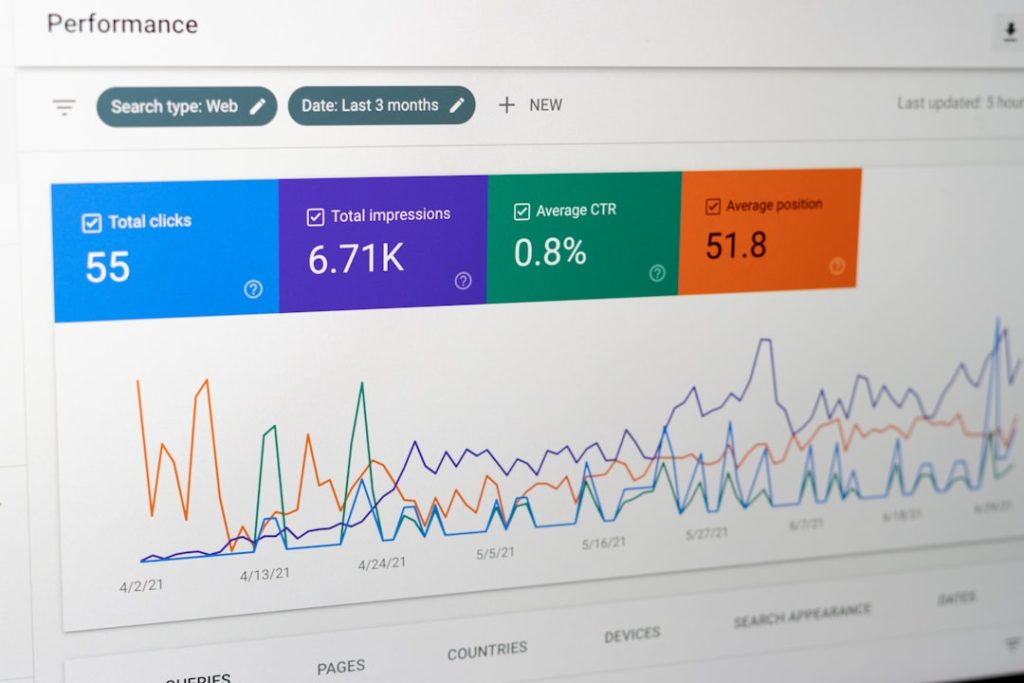
This founder lives in ads, funnels, email, influencers, SEO, and conversion rates. They speak fluent numbers. They know the cost per click before breakfast. They get excited when a landing page button wins by 3%.
Best ownership areas:
- Paid ads
- Email and SMS
- Brand campaigns
- Performance marketing
- Analytics and conversion
Watch out for: chasing shiny channels. TikTok looks fun. So does every new platform. The Growth Founder needs clear goals, budgets, and testing rules.
3. The Operations Founder
This founder brings order to chaos. They care about fulfillment, inventory, systems, support, and vendor timelines. They are the reason orders arrive on time and the warehouse does not become a dragon cave.
Best ownership areas:
- Fulfillment
- Inventory planning
- Customer service
- Returns and exchanges
- Internal processes
Watch out for: saying no too often. Operations leaders protect the machine. But ecommerce needs experiments. Their job is not to stop ideas. It is to make good ideas work safely.
4. The Finance Founder
This founder watches the cash. They know margins, payment terms, payroll, taxes, and runway. They may say scary words like “contribution margin” at parties.
Best ownership areas:
- Budgeting
- Cash flow
- Pricing strategy
- Investor reporting
- Profitability analysis
Watch out for: becoming the company’s fun police. Growth needs investment. Finance should guide smart risk, not block every expense with a spreadsheet shield.
5. The Brand Founder
This founder understands emotion. They know the voice, visuals, mission, and customer identity. They can explain why the brand feels bold, calm, rebellious, premium, playful, or all of the above.
Best ownership areas:
- Brand strategy
- Content direction
- Creative campaigns
- Community building
- Partnership tone and style
Watch out for: vague magic. Brand matters. But it must connect to revenue, loyalty, and customer trust. Feelings are great. Feelings with metrics are better.
How to Choose the Right Ecommerce Structure
Once founders are classified, the organization becomes easier to design. Start with the most important business challenge.
If the company has great products but low traffic, build around growth. If sales are strong but delivery is a mess, build around operations. If revenue is rising but profit is missing, strengthen finance.
Here are simple structure options:
- Founder led flat team: Best for very early stores. Each founder owns a lane. Everyone still helps everywhere.
- Functional structure: Best for growing stores. Teams are grouped by marketing, product, operations, support, and finance.
- Channel structure: Best for brands selling across many platforms. Teams own website, marketplace, retail, wholesale, or social commerce.
- Product line structure: Best for companies with many categories. Each leader owns a product family, with support from shared teams.
No structure is perfect forever. Choose the one that solves today’s chaos and supports the next stage.
Use a Simple Founder Classification Scorecard
Make this practical. Do not turn it into a three-day retreat with candles and trust falls.
Rate each founder from 1 to 5 in these areas:
- Product vision
- Marketing and growth
- Operations and systems
- Financial discipline
- Brand and storytelling
- People leadership
- Decision speed
Then compare scores. Look for the highest natural strengths. Also look for gaps. If no founder scores high in operations, do not pretend. Hire or outsource help early. A weak operations function can turn a hot brand into a refund factory.
Set Decision Rights Early
Founder classification only works if decisions are clear. Titles mean little without authority.
Use this simple rule:
One owner. Many voices.
That means everyone can share input. But one person makes the final call in that area. The Growth Founder decides the ad test. The Product Founder decides the sample approval. The Finance Founder decides the budget limit. The Operations Founder decides the fulfillment process.
This reduces drama. It also makes meetings shorter. That alone is worth celebrating.
Common Mistakes to Avoid
Founder roles can go wrong fast. Watch for these traps:
- The co CEO fog: Everyone is in charge, so nobody is in charge.
- The title costume: A founder takes a title they like, not the role they are good at.
- The permanent structure myth: The team refuses to change as the company grows.
- The silent resentment problem: One founder carries too much work and says nothing until they explode.
- The overlap swamp: Two founders approve the same thing, slowly and painfully.
Fix these issues with honest talks. Keep them short. Keep them kind. Keep them specific.
When to Reclassify Founders
Founder classification is not a tattoo. It is more like a playlist. You can update it when the mood changes.
Review roles when:
- Revenue doubles
- The team grows past 10 people
- A new sales channel becomes important
- Customer complaints increase
- Margins shrink
- Founders keep blocking each other
A founder who led growth at the start may later become best at partnerships. A founder who managed operations may need to hire a real operations director. This is not failure. It is maturity.
Final Thought
Ecommerce rewards speed. It also punishes confusion. Founder classification gives every founder a clear lane, a clear voice, and a clear job to do.
Keep it simple. Name the strengths. Assign the ownership. Fill the gaps. Then go build a company where the right people make the right decisions without turning every Tuesday into a courtroom drama.
Clear roles do not kill startup energy. They protect it.