Turning a promising idea into a real product is exciting, but it can also be messy. Teams often rush into design or development before they understand the problem, the market, or the people they want to serve. A strong product build process helps you move from uncertainty to launch with fewer wasted resources and better odds of creating something customers actually want.
TLDR: A successful product build process starts with validating the idea before investing heavily in development. From there, teams define the audience, test assumptions, create prototypes, build an MVP, gather feedback, and prepare for launch. The goal is not to build everything at once, but to move through focused, practical steps that reduce risk and improve product-market fit.
1. Start With a Clear Problem
Every strong product begins with a problem, not a feature list. Before thinking about colors, pricing, or technology, ask: What pain are we solving, and for whom? The more specific the problem, the easier it becomes to make decisions later.
For example, “people need better project management” is too broad. A sharper problem might be: “small marketing teams struggle to track client approvals across email, chat, and spreadsheets.” This gives you a clearer starting point and helps you avoid building a vague solution for an undefined audience.
- Write the problem in one sentence.
- Identify who experiences it most often.
- Describe what they currently do to solve it.
- Estimate how urgent or costly the problem is.
2. Validate the Idea Before Building
Idea validation is the process of finding evidence that your product is worth building. This does not mean asking friends whether they “like” your idea. It means discovering whether real potential users have the problem, care enough to solve it, and may pay for a better solution.
Useful validation methods include customer interviews, surveys, landing pages, competitor research, and mock sales conversations. The key is to test behavior, not compliments. If people join a waitlist, schedule a demo, pay for a pre-order, or repeatedly describe the same pain, you are gathering meaningful signals.
Practical tip: Speak to at least 10 to 20 people in your target audience before making major product decisions. Patterns matter more than individual opinions.
3. Define Your Target Users and Value Proposition
Once you confirm there is a real problem, define exactly who the product is for. A product built for “everyone” usually connects deeply with no one. Create simple user personas based on research, not imagination.
Your value proposition should explain why someone would choose your product instead of doing nothing, using a spreadsheet, hiring someone, or choosing a competitor. Keep it concise and practical.
A helpful formula is:
For [target user] who struggles with [problem], our product helps them [main benefit] by [unique approach].
This statement becomes a guide for marketing, design, development, and sales. If a feature does not support the value proposition, it may not belong in the first version.
4. Map the User Journey
Before creating screens or writing code, map the steps users will take from first discovering your product to achieving their desired outcome. This helps you understand context, emotions, friction points, and opportunities.
A basic user journey might include:
- Discovering the product through search, ads, referrals, or content.
- Understanding what the product does.
- Signing up or requesting access.
- Completing onboarding.
- Using the core feature for the first time.
- Reaching a successful result.
- Returning, upgrading, or recommending the product.
This exercise is especially useful because it reveals that the product is more than the software itself. Messaging, onboarding, support, and trust all shape the user experience.
5. Prioritize Features for the MVP
An MVP, or minimum viable product, is not a low-quality product. It is the smallest useful version that allows you to test the core value with real users. The goal is to learn quickly without spending months building features nobody needs.
To prioritize features, divide them into three categories:
- Must-have: Essential for solving the main problem.
- Should-have: Useful, but not required for the first launch.
- Later: Nice additions that can wait until there is more evidence.
Be strict. Many failed products are overbuilt too early. If your product’s main promise is saving time on invoices, for instance, advanced reporting may be useful later but unnecessary for the MVP.
6. Create a Prototype and Test It
A prototype helps users experience the product idea before development begins. It can be a clickable design, a simple workflow, a demo video, or even a manual service that imitates the final product.
Prototype testing uncovers confusing flows, missing information, and mistaken assumptions. Watch how people interact with it. Do not explain every step unless necessary; confusion is valuable feedback. If users cannot understand the product without a guided tour, the design or messaging may need improvement.
Ask questions like:
- What did you expect to happen here?
- Which part felt unclear?
- Would this solve your current problem?
- What would stop you from using it?
7. Build the MVP With Feedback Loops
When development starts, keep the team focused on the validated problem and MVP scope. Build in short cycles, review progress often, and avoid adding new ideas unless they clearly support the launch goal.
A good MVP should be stable, understandable, and capable of delivering the core benefit. It does not need every automation, integration, or customization option. However, it should not feel careless. Users will forgive missing features more easily than broken promises.
Set up feedback loops before launch. Add analytics, track user actions, create support channels, and prepare a simple way for users to report issues. Learning should begin as soon as the first user arrives.
8. Prepare Your Go-to-Market Plan
Product launch is not just pressing a “publish” button. A go-to-market plan defines how you will reach the right audience, explain the product, and convert interest into usage or sales.
Your launch plan should include:
- Positioning: How you want the market to understand the product.
- Messaging: Clear language that highlights the main benefit.
- Channels: Email, social media, search, partnerships, communities, or sales outreach.
- Pricing: A model that matches the value users receive.
- Support: Help resources, FAQs, onboarding emails, or live assistance.
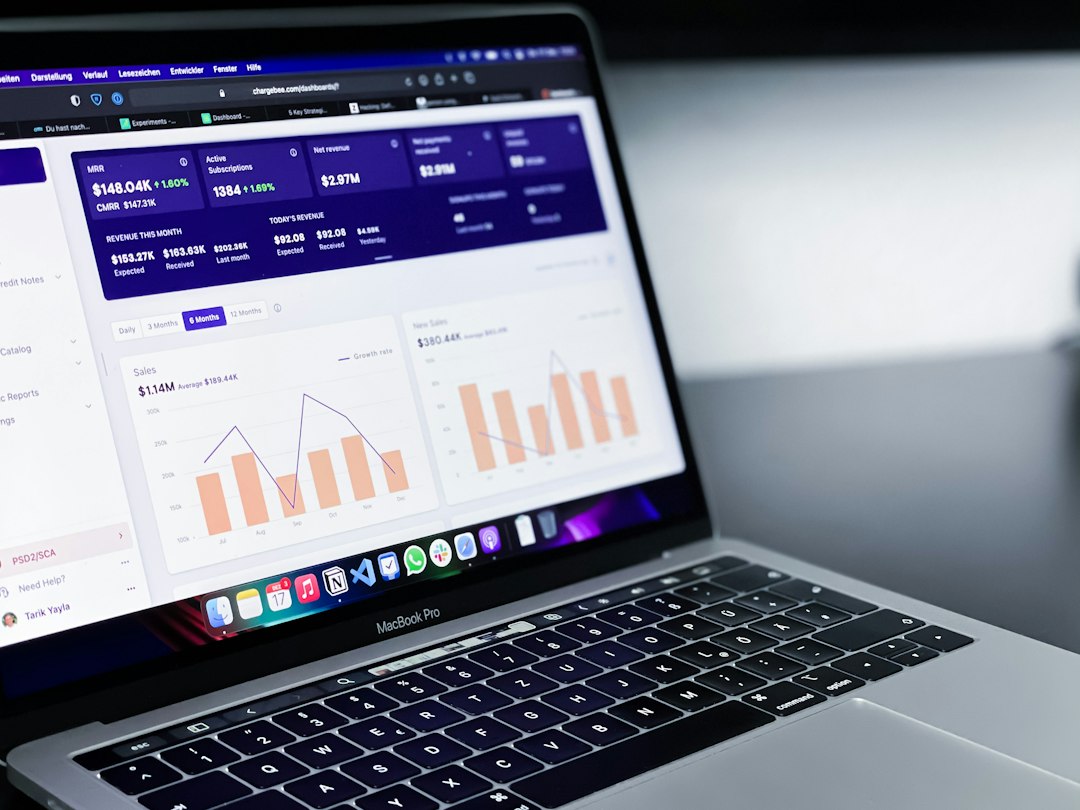
It is also wise to define launch metrics. These might include sign-ups, activation rate, user retention, trial-to-paid conversion, demo bookings, or customer feedback scores. The right metrics depend on your product and business model.
9. Launch, Learn, and Improve
Launching is a milestone, not the finish line. Once the product is in the market, real learning begins. Users will behave differently than expected, ask for surprising features, ignore things you thought were important, and reveal new opportunities.
After launch, review both quantitative and qualitative data. Analytics can show where users drop off, while interviews and support conversations explain why. Combine both to decide what to improve next.
Focus on the highest-impact changes first. These often involve onboarding, clarity, performance, pricing, or the core workflow. Resist the temptation to build every requested feature immediately. Instead, look for repeated patterns that connect directly to your product’s main value.
Common Mistakes to Avoid
- Falling in love with the solution too early: Stay attached to the problem, not your first idea.
- Skipping user research: Assumptions are expensive when they reach development.
- Building too many features: Complexity can delay launch and confuse users.
- Launching without a distribution plan: Even great products need a path to customers.
- Ignoring feedback after launch: The market is the final test of your assumptions.
Final Thoughts
A practical product build process helps teams move with both creativity and discipline. By validating the idea, defining the audience, narrowing the MVP, testing prototypes, and launching with a clear strategy, you reduce guesswork and increase your chances of building something valuable.
The best products rarely appear fully formed. They evolve through research, testing, feedback, and continuous improvement. Start small, learn quickly, and let real user behavior guide the next version.