
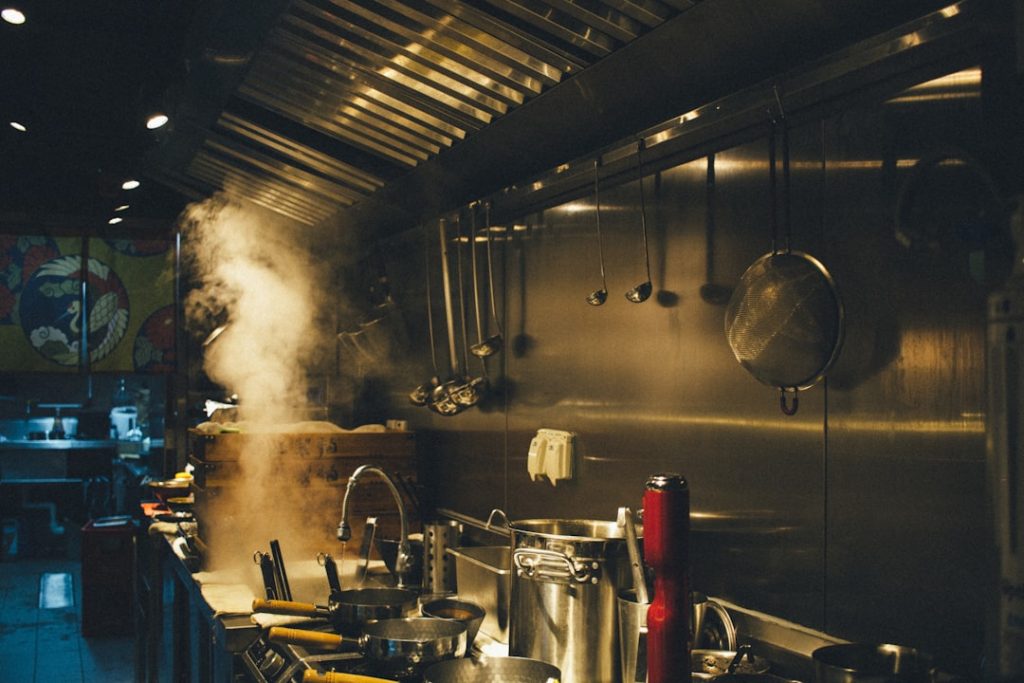
Running an Indian restaurant is a beautiful kind of complexity: fragrant curries simmering in the kitchen, tandoori orders firing at different times, delivery tickets flying in from multiple platforms, and guests asking for spice levels, substitutions, and split checks. A well-chosen Taste of India POS system is not just a cash register; it is the operational hub that connects ordering, payments, kitchen workflows, inventory, staff, and customer loyalty.
TLDR: A POS system for a restaurant like Taste of India should handle dine-in, takeaway, delivery, modifiers, table management, kitchen routing, and inventory tracking. For example, if 40% of your weekend sales come from delivery, a POS with integrated online ordering can reduce manual re-entry errors and speed up fulfillment. Popular alternatives include Toast, Square for Restaurants, Lightspeed Restaurant, Clover, and TouchBistro, each offering different strengths for small, growing, or multi-location restaurants.
What Is a Taste of India POS System?
A Taste of India POS system refers to restaurant point-of-sale software suitable for an Indian dining concept, whether the business is named “Taste of India” or simply operates with a similar menu and service style. Unlike a generic retail POS, restaurant POS software is built to manage food orders, kitchen tickets, tables, tips, taxes, delivery, and menu customization.
For Indian restaurants, flexibility matters. A single order might include chicken tikka masala, garlic naan, mango lassi, samosas, biryani, and three spice-level preferences. The POS must make it easy for servers and cashiers to enter these details quickly and accurately.
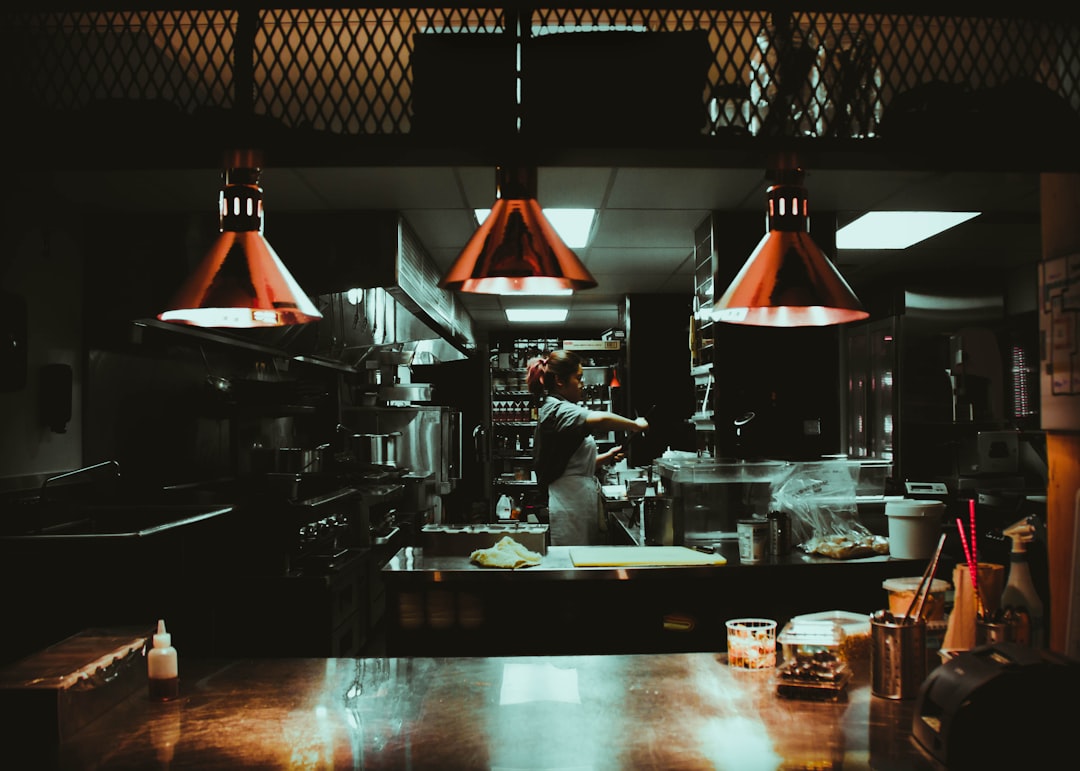
Key Features to Look For
1. Fast Order Entry and Menu Modifiers
Indian menus often include many variations: vegetarian, vegan, mild, medium, spicy, extra spicy, gluten-free, dairy-free, and protein changes. A strong POS should support custom modifiers so staff can add instructions like “no cilantro,” “extra raita,” or “spice level 8” without typing long notes every time.
- Combo meals: Useful for lunch specials and thali platters.
- Modifier groups: Spice levels, naan choices, rice options, and sauces.
- Upsell prompts: Suggest drinks, desserts, or appetizer add-ons.
2. Table Management for Dine-In Service
If the restaurant offers full-service dining, table management is essential. The POS should allow staff to open checks, move guests between tables, split bills, merge checks, and track course timing. This helps servers coordinate appetizers, mains, breads, and drinks without confusing the kitchen.
A visual floor plan is especially useful during Friday and Saturday rushes, when wait times and table turnover directly affect revenue.
3. Kitchen Display System Integration
A kitchen display system, or KDS, replaces paper tickets with digital order screens. For a busy Indian kitchen, this can improve communication between stations: tandoor, curry, grill, fryer, and packing. Orders can be routed based on item type, so naan goes to the tandoor station while biryani goes to the main kitchen.
4. Online Ordering and Delivery Support
Many Indian restaurants rely heavily on takeaway and delivery. A modern POS should support direct online ordering, delivery zones, estimated prep times, and integration with third-party platforms. Direct online ordering is especially valuable because it may reduce commission fees and help restaurants keep customer data.
For example, a restaurant processing 300 online orders per month could save hundreds of dollars if even a portion of those orders shift from third-party marketplaces to a commission-free ordering page connected to the POS.
5. Inventory and Ingredient Tracking
Inventory control is a major advantage of restaurant software. Indian kitchens use many ingredients and spices, including rice, lentils, paneer, chicken, lamb, yogurt, ghee, cardamom, cumin, turmeric, and garam masala. The POS should help track what sells, what needs restocking, and which dishes produce the best margins.
Advanced systems can deduct ingredients automatically when items are sold. Even if the restaurant does not track every spice gram by gram, monitoring high-cost ingredients like lamb, seafood, paneer, and cooking oil can make a meaningful difference.
6. Reporting and Analytics
Good reporting turns daily sales into insight. Owners should be able to see best-selling dishes, slow-moving items, peak hours, labor costs, average ticket size, and sales by channel. If lunch buffet sales are declining but online dinner orders are growing, the POS should make that trend easy to spot.
- Sales reports: Track revenue by day, hour, item, and server.
- Menu performance: Identify profitable dishes and low sellers.
- Labor reports: Compare staffing levels against sales volume.
- Customer reports: Monitor repeat visits and loyalty activity.
Payment and Customer Experience Features
Payment flexibility matters. Guests may want to pay with credit cards, debit cards, mobile wallets, gift cards, or split payments. A restaurant POS should accept modern payment methods and make tipping smooth. Pay-at-table devices can also improve speed and reduce card handling.
Loyalty features are another plus. A customer who orders butter chicken every Friday can receive personalized offers, such as “10% off your next family meal” or “free gulab jamun after five visits.” These small touches encourage repeat business without relying only on discounts.
Best POS Alternatives for an Indian Restaurant
There may not be one single “best” POS for every Taste of India-style restaurant. The right choice depends on budget, service model, number of locations, and how much control the owner wants over payments and integrations. Here are several strong alternatives to compare.
Toast
Toast is built specifically for restaurants and is popular with full-service and quick-service operators. It offers table management, handheld ordering, kitchen displays, online ordering, loyalty, payroll add-ons, and detailed reporting. It is a strong fit for restaurants that want an all-in-one ecosystem, though pricing and processing commitments should be reviewed carefully.
Square for Restaurants
Square for Restaurants is known for ease of use and transparent pricing. It works well for small and mid-sized restaurants, food trucks, cafés, and takeaway-heavy operations. Square’s ecosystem includes payments, invoices, online ordering, gift cards, and marketing tools. It may be especially appealing for newer restaurants that want a simple setup.
Lightspeed Restaurant
Lightspeed Restaurant offers strong reporting, menu management, inventory tools, and multi-location capabilities. It is a good option for restaurants planning to grow or those that need more advanced analytics. The interface is polished, and integrations are broad, but costs can increase depending on features.
Clover
Clover combines flexible hardware with a large app marketplace. It is often used by small restaurants, counter-service businesses, and independent operators. Clover can be a good fit for a casual Indian restaurant that wants reliable payments, basic restaurant tools, and room to add apps as needed.
TouchBistro
TouchBistro is restaurant-focused and particularly strong in front-of-house workflows. It includes table management, menu customization, staff management, and reporting. It can suit dine-in restaurants that want an intuitive iPad-based system with add-ons for reservations, loyalty, and online ordering.
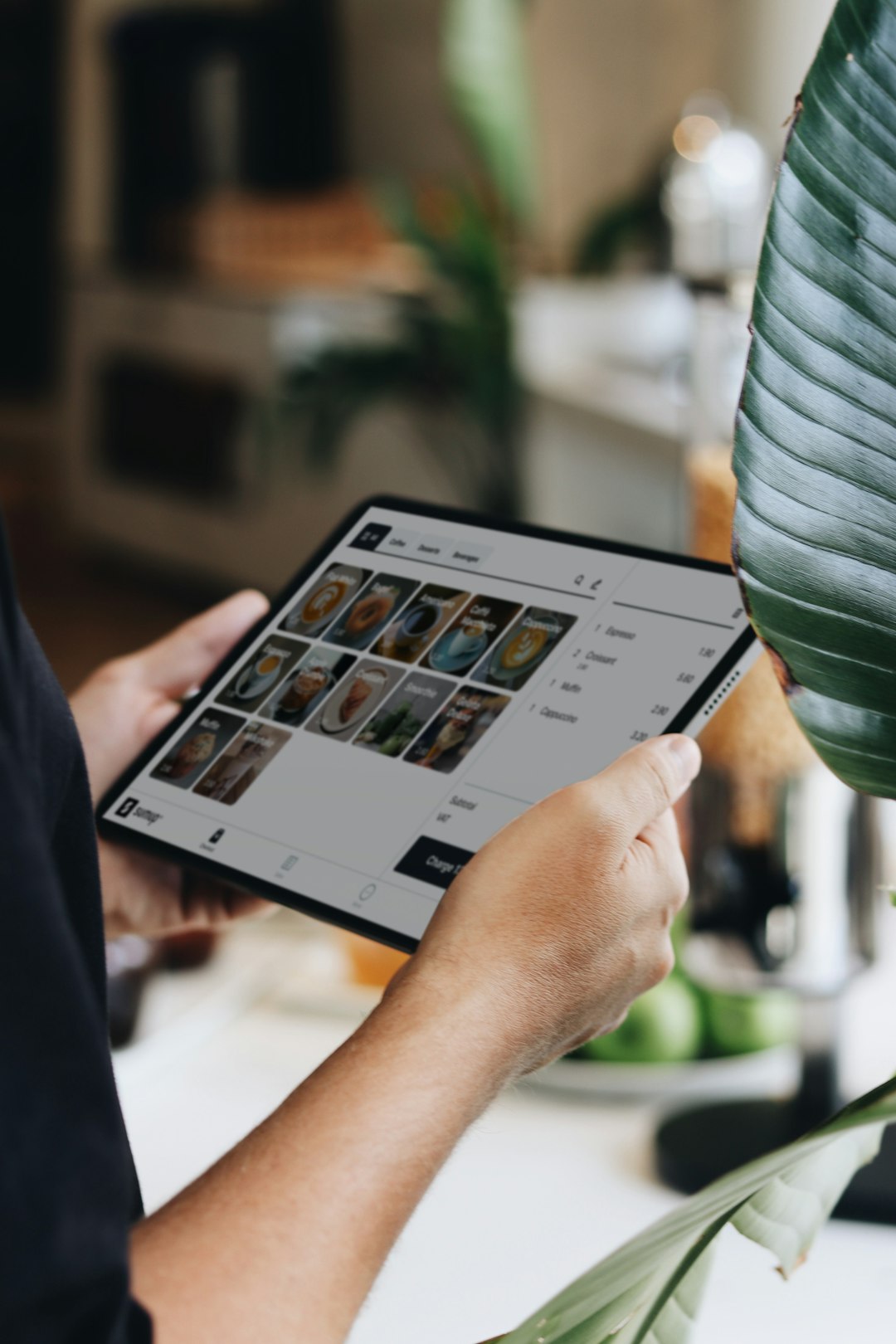
How to Choose the Right System
Before choosing software, map the restaurant’s daily workflow. Ask where delays happen: order entry, kitchen communication, delivery packing, payment processing, or inventory counts. Then choose a POS that solves those problems first.
- For dine-in service: Prioritize table management, handheld ordering, and split checks.
- For delivery-heavy restaurants: Look for online ordering, delivery integrations, and customer data tools.
- For cost control: Focus on inventory tracking, recipe costing, and item-level sales reports.
- For growth: Choose multi-location reporting, centralized menus, and scalable hardware.
Final Thoughts
A strong Taste of India POS system should make restaurant operations faster, clearer, and more profitable. The best software will support complex menus, special requests, online orders, kitchen routing, payments, and reporting without overwhelming the staff.
Whether you choose Toast, Square, Lightspeed, Clover, TouchBistro, or another platform, the goal is the same: fewer mistakes, faster service, better data, and happier guests. For an Indian restaurant where flavor, timing, and hospitality all matter, the right POS can become one of the most valuable tools in the business.