

Send fewer podcast guest pitches, but make each one feel unmistakably written for that person. A strong manual outreach system is not about blasting 300 names with the same message. It is about choosing the right guests, writing a clear reason for the invite, following up without being annoying, and stopping before your name becomes a nuisance.
TLDR: Use a 4 email sequence over 14 to 18 days: invite, value reminder, specific angle, final close. For example, a business podcast that emails 40 handpicked founders may book 6 guests if the targeting is tight, a 15% booking rate. Keep the first email under 150 words and make the guest angle obvious in the first three lines. Track replies, not opens, because replies tell you if the pitch is working.
Start with the guest fit, not the email template
The best outreach email cannot fix a weak guest choice. Before writing anything, build a shortlist of people who match your audience, your show format, and your current content goals.
A good guest usually has at least two of these traits:
- They have a clear point of view. They do not just repeat safe industry lines.
- They can tell stories. Podcast listeners remember conflict, change, and lessons learned.
- They serve your audience. Their experience solves a real listener problem.
- They are reachable. A founder with a public email is easier than a celebrity with three gatekeepers.
- They have recent momentum. A launch, study, book, funding round, or viral post gives you a natural reason to reach out.
Expect to waste time on vague “dream guest” lists. They feel productive, but they often turn into stalled outreach. A smaller list of 30 strong fits beats a spreadsheet of 500 names you barely understand.
The ideal manual outreach sequence
Manual outreach works best when it feels calm and intentional. Four emails are usually enough. More than that can feel needy unless the guest has shown interest.
- Email 1: The direct invitation
- Email 2: The polite follow up
- Email 3: The specific episode angle
- Email 4: The graceful close
Email 1: The direct invitation
Your first message should answer three questions fast. Why them? Why your show? What happens next?
Keep it short. A busy guest should understand the ask in under 20 seconds.
Example structure:
- Personal opening based on their work
- One sentence about your podcast and audience
- One clear episode idea
- Soft call to action
Sample:
Hi Maya, I saw your post about cutting customer churn by changing onboarding emails. The part about removing three early product steps was sharp.
I host Growth Operators, a podcast for SaaS founders and customer teams. I think our listeners would get a lot from an episode on “Why onboarding gets too complicated, and how to simplify it.”
Would you be open to joining for a 35 minute recorded conversation next month?
This works because it is specific. It does not flatter for no reason. It gives the guest a ready-made topic.
Email 2: The polite follow up
Send this 3 to 4 business days later. Do not guilt the person. Do not write “just bumping this.” That phrase has been beaten into dust.
Instead, add one useful detail. Mention the audience size, listener type, past guest relevance, or the reason the topic matters now.
Timing: If you send the first email on Tuesday morning, follow up on Friday or the next Monday. Avoid late Friday afternoons. People are already gone in spirit.
Email 3: The specific angle
Send this 5 to 7 days after the second email. This is where many bookings happen. The guest ignored the earlier notes, but a sharper angle can make the offer easier to say yes to.
Give them two or three possible episode titles. This reduces mental work.
- “The hiring mistakes that slow down first time founders”
- “How to build a customer success team before churn spikes”
- “What early stage SaaS companies misunderstand about retention”
Honestly, it feels like some outreach tools make personalization harder than it should be. You click through three screens just to add one human sentence. Manual email is slower, yes, but it often saves the pitch from sounding like it was assembled by a bored machine.
Email 4: The graceful close
Send the final email 5 to 7 days later. Keep it respectful. Make it easy for them to say no or reply later.
Example:
Hi Maya, I’ll close the loop here. I still think your onboarding work would make a useful episode for our audience, but I know timing may not fit. If it is better to revisit next quarter, happy to reconnect then.
This message protects the relationship. It also gets replies from people who meant to answer but got buried.
Best timing for podcast guest outreach
Send outreach when people are most likely to be clearing email, not when your schedule happens to be free.
- Best days: Tuesday, Wednesday, and Thursday
- Best time: 8:00 to 10:30 a.m. in the guest’s time zone
- Second option: 1:00 to 2:30 p.m., after lunch but before late day meetings
- Risky times: Monday morning, Friday afternoon, weekends, and major holidays
There are exceptions. Journalists, creators, and executives may check email at odd hours. Still, the middle of the week tends to win because inbox pressure is lower than Monday and attention is not yet fading into Friday.
Write subject lines that feel human
The subject line should not scream. It should feel relevant and easy to open.
Good subject lines:
- Podcast invite about customer onboarding
- Maya, guest idea for Growth Operators
- Episode idea based on your churn post
- Invite: simplifying SaaS onboarding
Weak subject lines:
- Huge opportunity for you
- Quick question
- Let’s collaborate!!!
- You are perfect for our podcast
Clear beats clever. Most guests are scanning fast. If the subject line hides the ask, you make them work before they even open the email.
Personalization that actually matters
Personalization is not “I loved your recent work.” That line can be sent to anyone. Real personalization proves you paid attention.
Use details such as:
- A specific quote from an interview
- A point they made on social media
- A recent product, book, report, or campaign
- A disagreement you want to explore respectfully
- A story their audience already associates with them
Do not overdo it. Three paragraphs of praise can feel strange. One sharp sentence is enough.
Make the call to action easy
Your ask should be simple. Do not send a wall of scheduling instructions in the first email. Do not attach a media kit unless asked. Do not ask them to choose from ten topic ideas.
Use a soft yes question:
- Would you be open to joining as a guest?
- Interested in exploring this for a future episode?
- Would this be worth discussing for 10 minutes?
Once they reply with interest, then send the booking link, recording format, estimated time, and prep notes.
Track the numbers that matter
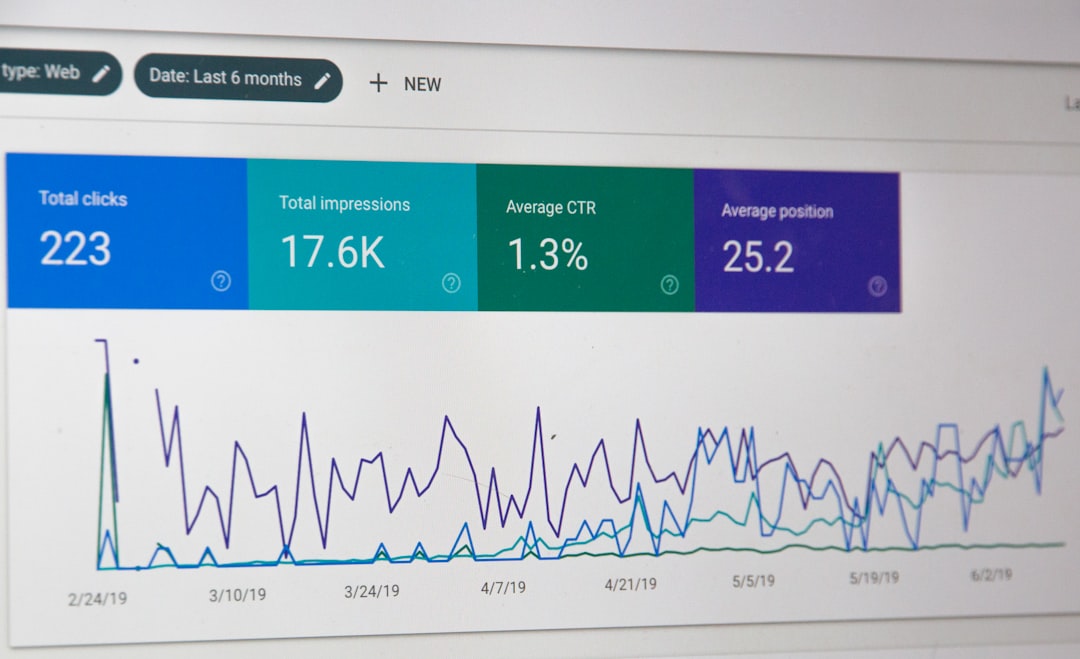
Manual outreach still needs measurement. Keep a simple sheet with guest name, email, date sent, follow up dates, reply status, booking status, and notes.
Useful benchmarks:
- Positive reply rate: 8% to 20% for well targeted cold outreach
- Booking rate: 5% to 15% from the original list
- No reply rate: Often 60% or higher, even with good emails
- Follow up impact: 30% to 50% of positive replies may come after email two or three
If 100 emails produce only one positive reply, the issue is usually targeting or the opening message. If many people reply but few book, the problem may be timing, unclear show value, or a clunky scheduling process.
Small details that lift response rates
- Use your real name. People respond to people, not faceless show accounts.
- Mention the format. Audio only, video, live, remote, or studio.
- State the time commitment. A 30 minute interview feels easier than an open ended request.
- Show audience relevance. Say who listens and why they care.
- Proofread names. Misspelling a guest’s name kills trust instantly.
- Stop after the close email. Silence is an answer, at least for now.
Manual email outreach for podcast guests is simple, but it is not effortless. Pick better guests. Write shorter emails. Follow up with purpose. Close the loop with class. That is how you book stronger conversations without turning your inbox into a spam cannon.