
Put each ad channel in a clear job role, then make them work as one team. Shopping catches buyers with product intent. Search answers urgent demand. Display brings people back. Paid social creates fresh desire before people even search.
TLDR: Use Shopping ads for ready buyers, Search ads for problem solvers, Display ads for reminders, and paid social for discovery. For example, a small skincare store might spend 45% on Shopping, 25% on Search, 15% on Display retargeting, and 15% on paid social. After 60 days, it could see a 28% lift in revenue if product feeds, audiences, and landing pages are clean. Do not let each channel run alone like four toddlers with glitter.
Think of your ads like a retail party
Your products are the guests. Your ads are the invitations. Some people already want to buy. Some need a reason. Some forgot they liked you. Some have no idea you exist.
That is why one channel is not enough.
Shopping, Search, Display, and paid social each catch people at a different moment. When they share data, budget, and creative ideas, growth gets much easier. Not magic. Just less chaos.

The four channels and what they do best
- Shopping ads: Best for buyers who know what they want. They see price, image, brand, and stock fast.
- Search ads: Best for people typing questions or product terms. They want answers now.
- Display ads: Best for retargeting and reminders. They follow up without being creepy. Well, mostly.
- Paid social: Best for showing products to new people. It builds demand with video, images, reviews, and offers.
The simple idea is this: Shopping converts demand. Search captures demand. Display recovers demand. Paid social creates demand.
Step 1: Start with Shopping ads
If you sell physical products, Shopping ads should often sit near the center of your plan.
Why? Because shoppers see the product before they click. That means fewer surprise visits. A person sees the blue sneakers, the price, and the store name. If they click, they are at least somewhat serious.
Make sure your product feed is clean. This part is boring. It also matters a lot.
- Use clear product titles.
- Add strong product images.
- Keep prices updated.
- Fix out of stock items.
- Add product categories.
- Use reviews if you have them.
It drives me a bit nuts when a store spends thousands on ads but has product titles like “Item 472 blue.” Nobody wants to click that. Not even your mom.
Step 2: Use Search ads to catch high intent traffic
Search ads work when people type things like “best trail running shoes,” “buy ceramic dinner plates,” or “organic dog treats delivery.” These people are not just scrolling for fun. They are asking for help.
Group your keywords by intent.
- Buy now terms: “buy leather tote bag” or “order protein powder.”
- Comparison terms: “best espresso machine under 500.”
- Problem terms: “shoes for flat feet.”
- Brand terms: your store name and product lines.
Send each searcher to the right page. Do not send everyone to the home page. That is lazy. If someone searches for “black linen pants,” take them to black linen pants. Not a giant grid of 900 items.
Expect to waste time if your ad platform hides useful settings behind six extra clicks. Still, check them. Match types, negative keywords, locations, and device results can save real money.
Step 3: Let Display ads do the follow up
Most visitors do not buy on the first trip. That is normal. People compare. People get distracted. People open 14 tabs and forget why they came online.
Display ads help bring them back.
Use Display for:
- Cart abandoners.
- Product page viewers.
- Past buyers.
- Seasonal promotions.
- Cross sell campaigns.
Keep these ads simple. Show the item they viewed. Add a benefit. Add a clear offer if you can. For example, “Still thinking about the linen sheets? Free shipping ends Sunday.” Nice. Clean. Useful.

Do not blast people forever. Use frequency caps. If someone sees the same sock ad 37 times, they may remember your brand for the wrong reason.
Step 4: Use paid social to make people want the product
Paid social is great for discovery. People are not always searching. Sometimes they are watching videos of dogs stealing pizza. Then your ad appears with a great product. That can work.
Social ads need strong creative. The image or video does the heavy lifting.
Try these formats:
- Short demo videos: Show the product in use.
- Before and after posts: Great for beauty, fitness, home, and cleaning products.
- Customer review ads: Real words beat polished fluff.
- Founder videos: Quick, honest, human.
- Offer ads: Bundle deals, first order discounts, free shipping.
Social also feeds your other channels. Someone sees your mug warmer on social. Two days later, they search “best mug warmer for desk.” Your Search and Shopping ads can catch them then.
How to split your budget
There is no perfect split. Sorry. Anyone who says there is one magic formula is probably selling a spreadsheet.
Still, here is a simple starting point for an ecommerce store with some sales history:
- 40% to Shopping: Focus on product sales.
- 25% to Search: Capture strong intent.
- 20% to paid social: Find new buyers.
- 15% to Display: Bring visitors back.
If you are a new brand, shift more into paid social. You need attention first. If demand already exists, push more into Shopping and Search.
Make the channels share clues
This is where the fun starts. Each channel gives clues. Use them.
- If a product wins in Shopping, make social videos for it.
- If a Search term converts well, add it to product titles.
- If a social ad gets tons of clicks but few sales, test the landing page.
- If Display retargeting works, build more audience segments.
- If one product has high cart adds but low purchases, check shipping costs.
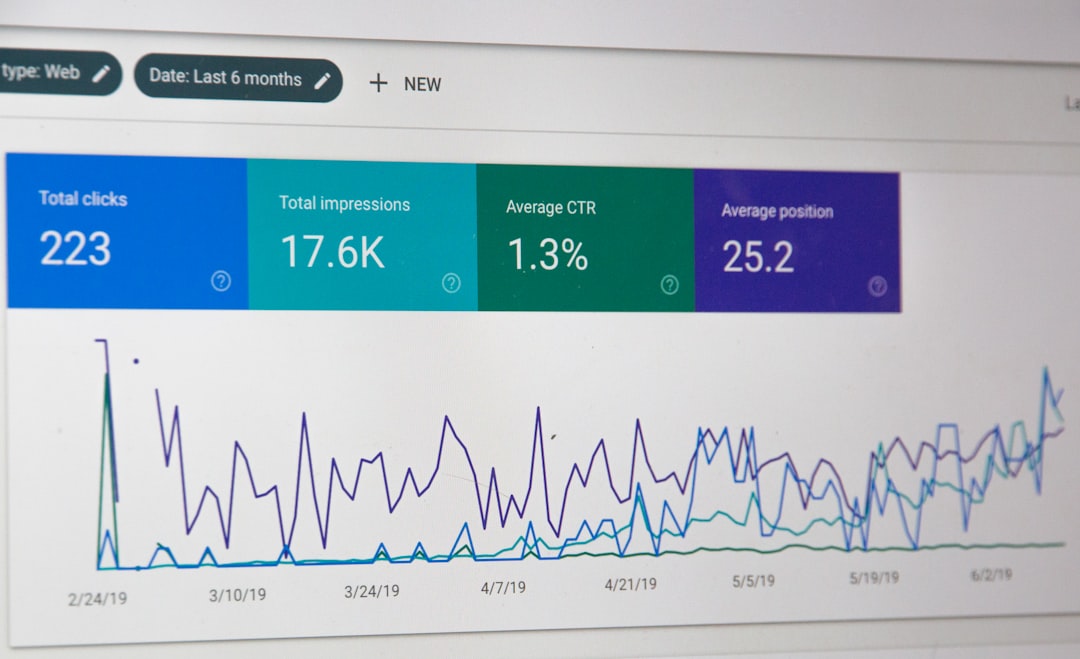
Look at revenue, profit, conversion rate, average order value, and repeat purchase rate. Do not worship clicks. Clicks do not pay rent.
Build one funnel, not four random campaigns
A good ecommerce ad funnel can look like this:
- Paid social: A new shopper sees a fun product video.
- Display: They see a reminder ad after visiting the site.
- Search: They search for the product type later.
- Shopping: They click the product card and compare price.
- Email or retargeting: They get a cart reminder.
- Purchase: They buy.
That buyer may touch three or four ads before checkout. So do not judge each channel like it works alone. Use attribution reports, but do not treat them like holy truth. They are useful. They are also messy.
Simple rules for better results
- Test one thing at a time. Change the offer, image, or audience. Not all three.
- Protect your best sellers. Give winners enough budget.
- Cut waste weekly. Pause bad keywords, ads, and placements.
- Use clean tracking. Bad data makes smart people do silly things.
- Match ads to landing pages. Promise one thing. Show that thing.
- Watch profit. Revenue is nice. Profit buys snacks.
The growth recipe
Start with products that already sell. Build Shopping campaigns around them. Add Search ads for high intent terms. Use paid social to show the product in real life. Use Display to remind warm visitors before they vanish into the internet fog.
Keep the message clear. Keep the tracking clean. Keep testing. When all four channels support each other, ecommerce growth feels less like guessing and more like steering a very busy, very profitable shopping cart.