For most home service businesses, BrightLocal is the better daily tool for local SEO, while Semrush is stronger for broader search research, competitor analysis, and content planning. A plumber, roofer, electrician, HVAC company, or cleaning service usually needs both types of data, but not always both paid platforms from day one.
TLDR: If your main goal is ranking higher in the Google local pack, start with BrightLocal for rank grids, citation checks, reviews, and Google Business Profile tracking. If you also publish service pages, blog content, and need keyword gap research, add Semrush. For example, a small HVAC company tracking 20 local keywords across three suburbs might use BrightLocal to find that “AC repair near me” ranks 9th on the west side of town but 3rd near its office. After adding two location pages and earning 18 new reviews, local calls could rise by 20% to 35% over 90 days.
Why local SEO is different for home services
Home services SEO is not just “regular SEO with a city name added.” The buyer is urgent. A homeowner with a burst pipe or broken furnace is not reading ten articles. They are checking who appears nearby, who has strong reviews, and who answers the phone.
That means your SEO stack must measure three things clearly:
- Map visibility: Where you rank in the local pack across different parts of town.
- Trust signals: Reviews, ratings, photos, services, and business information consistency.
- Organic strength: Service pages, location pages, backlinks, technical health, and content quality.
This is where the BrightLocal vs Semrush choice matters. They overlap a little, but they are not built for the same job.

BrightLocal: best for local pack tracking and reputation work
BrightLocal is built for local SEO agencies and local businesses. Its strongest features fit home service companies well, especially those serving multiple neighborhoods.
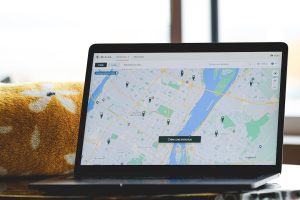
- Local rank tracking: See rankings by ZIP code, city, or search point.
- Google Business Profile audits: Check categories, photos, reviews, and profile completeness.
- Citation tracking: Find inconsistent name, address, and phone data.
- Review monitoring: Track review volume, ratings, and response activity.
- White label reporting: Useful for agencies managing several contractors.
For a home services company, local rank grids are especially useful. A roofing company may rank well near its office but vanish five miles away. That is not a small detail. It can decide which neighborhoods send calls and which do not.
The catch is that BrightLocal can feel narrow if you want deep keyword research or national competitor data. It tells you how you perform locally, but it is not the best tool for building a large content plan or checking every backlink angle.
Semrush: stronger for keywords, competitors, and content
Semrush is a broad SEO platform. It is excellent for keyword research, backlink analysis, site audits, content ideas, and competitor comparisons. If your home service business has serious organic goals, Semrush can help uncover which service pages are missing and which competitors are pulling traffic.
Useful Semrush features include:
- Keyword Magic Tool: Find terms like “emergency electrician,” “water heater repair,” and “duct cleaning cost.”
- Organic Research: See which pages bring competitors traffic.
- Keyword Gap: Compare your site against local competitors.
- Site Audit: Spot crawl errors, slow pages, duplicate titles, and broken links.
- Backlink Analytics: Review referring domains and authority signals.
Honestly, it feels like Semrush sometimes gives you 40 reports when you needed three clean answers. That is not a deal breaker, but a small contractor can waste time clicking through data that does not affect phone calls.
Semrush does offer local tools, but its real strength remains broader SEO intelligence. For contractors investing in service area pages, comparison content, financing pages, and seasonal campaigns, it can be very useful.
BrightLocal vs Semrush: which should you choose?
| Need | Better choice | Why it matters |
|---|---|---|
| Track map pack rankings by neighborhood | BrightLocal | Local intent changes street by street. |
| Audit Google Business Profile | BrightLocal | GBP quality has a major effect on calls. |
| Find service page keyword ideas | Semrush | It has stronger keyword and competitor data. |
| Check backlinks | Semrush | Links still affect organic rankings. |
| Manage reviews and citations | BrightLocal | Consistency and reputation drive trust. |
If you are a single-location contractor with a limited budget, start with BrightLocal and free Google tools. If you run a larger operation across several cities, use BrightLocal for local visibility and Semrush for organic growth.

Other tools worth using
No single tool covers everything. A practical home services SEO stack often includes a few focused tools instead of one expensive platform trying to do it all.
- Google Business Profile: Your core local asset. Update services, photos, hours, posts, and FAQs.
- Google Search Console: Shows search queries, clicks, impressions, indexing issues, and page performance.
- Google Analytics 4: Tracks traffic, conversions, and user behavior. Set up call clicks and form submissions.
- Local Falcon: Strong for visual map grid ranking reports.
- Whitespark: Good for citation building and local rank tracking.
- Moz Local or Yext: Useful for listing management at scale.
- CallRail: Helps connect rankings and campaigns to real phone leads.
- Screaming Frog: Great for technical audits of larger sites.
- Ahrefs: Strong backlink and competitor research, though less local focused.
What to track if you want real results
Rankings matter, but they are not the whole story. A contractor can rank first and still lose work if calls go unanswered or reviews look weak. Track SEO like a revenue channel, not a vanity project.
Focus on these metrics:
- Local pack rankings for core services and city terms.
- Google Business Profile actions, including calls, direction requests, and website clicks.
- Review growth rate and average rating.
- Organic traffic to service and location pages.
- Form fills and booked calls from organic search.
- Conversion rate by page and service type.
A sensible target is steady improvement, not instant domination. For many home service companies, moving from position 8 to position 3 in the map pack for a high-intent term can produce a sharp lift in calls. The exact gain depends on market size, seasonality, reviews, and how strong nearby competitors are.
Practical tool setup by business stage
New local business: Use Google Business Profile, Search Console, GA4, and BrightLocal. Fix categories, citations, reviews, photos, and core service pages first.
Growing contractor with multiple service areas: Add Semrush or Ahrefs. Build city pages, compare competitors, clean technical issues, and track backlink quality.
Agency or multi-location brand: Use BrightLocal or Local Falcon for map grids, Semrush for organic research, CallRail for attribution, and a listing tool such as Yext or Moz Local for scale.

Final recommendation
Choose BrightLocal first if local pack ranking is your main problem. That is common for plumbers, electricians, roofers, landscapers, pest control firms, and HVAC companies. It gives clear local SEO data without forcing you into heavy enterprise-style reporting.
Choose Semrush when your website needs to compete harder in organic search. It is better for keyword gaps, content planning, backlinks, and technical audits. The best setup for serious home services SEO is often simple: BrightLocal for local visibility, Semrush for site growth, and Google tools for source-of-truth performance data.
The tool is not the strategy, though. Reviews, fast pages, accurate listings, strong service pages, and consistent follow-up win the work. Software only shows where the money is leaking.