For most Luton businesses, BrightLocal is the better first tool for local SEO, while Semrush is stronger when wider organic growth, competitor research, and content planning matter. A local plumber, dentist, estate agent, or restaurant usually needs clean citations, better Google Business Profile tracking, review growth, and local rank reports before anything else. That is where BrightLocal fits neatly.
TLDR: BrightLocal is best for practical SEO in Luton when the goal is better visibility in Google Maps and local packs. Semrush is better for broader keyword research, competitor gap analysis, and content planning. For example, a Luton clinic tracking 20 local keywords might use BrightLocal to spot a drop from position 3 to 8 in Stopsley, then use Semrush to build service pages that target searches with 150 to 500 monthly visits. A sensible stack is often BrightLocal, Google Search Console, Google Business Profile, Semrush, and a review tool.
BrightLocal vs Semrush for SEO Luton
BrightLocal and Semrush solve different problems. Confusing the two leads to wasted spend. BrightLocal is built around local search visibility. Semrush is built around organic search intelligence. Both can support a Luton SEO campaign, but they should not be treated as direct replacements.
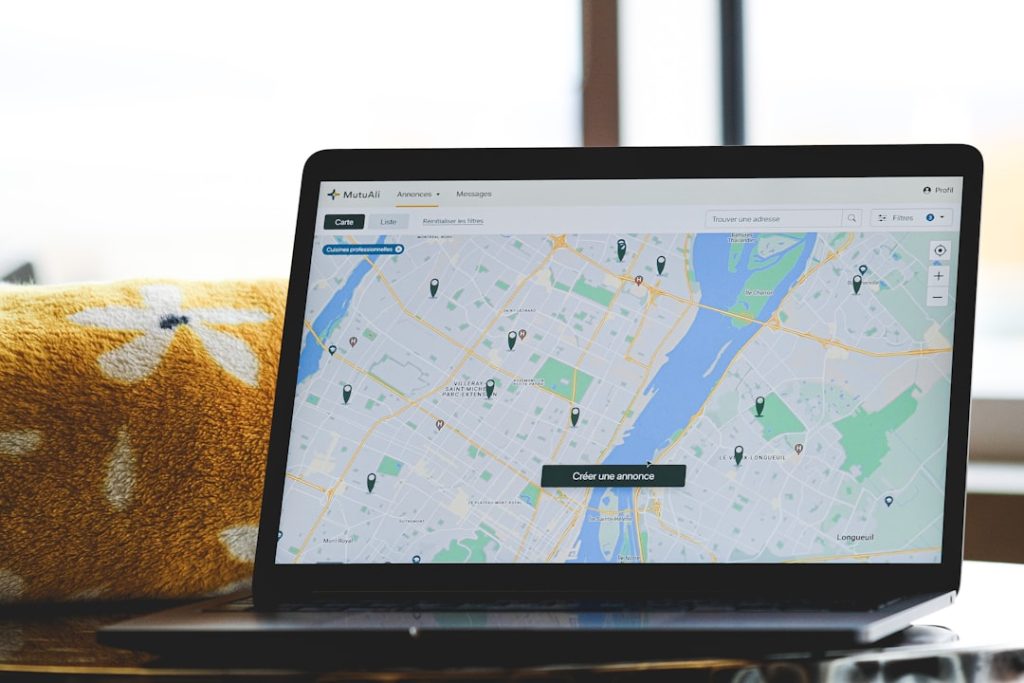
BrightLocal is useful when a business cares about searches like “roofer Luton”, “best curry near me”, “accountant in Luton”, or “emergency dentist Dunstable Road”. It helps track map rankings by location, check citations, review profiles, and monitor local competitors.
Semrush is useful when a business wants to understand keyword demand, backlinks, content gaps, technical issues, and competitors ranking across Bedfordshire, Hertfordshire, or the UK. It is more powerful, but also noisier. The catch is that a small local business can open Semrush and spend 40 minutes chasing national keywords that will never bring a call from Luton.
Where BrightLocal Wins
BrightLocal is strongest for Google Maps work. Local SEO in Luton often comes down to proximity, relevance, reviews, and trust signals. BrightLocal gives teams a clear view of those items without burying them under enterprise SEO reports.
- Local rank tracking: It can track rankings from set points around Luton, such as Capability Green, Bury Park, Stopsley, Leagrave, and the town centre.
- Citation audits: It checks business listings across directories and flags mismatched names, addresses, and phone numbers.
- Review monitoring: It helps spot review trends across Google and other platforms.
- Google Business Profile audits: It reports missing categories, weak descriptions, and inconsistent data.
This matters because local search can be brutally specific. A business may rank well near The Mall Luton but disappear in Wigmore. BrightLocal makes that problem visible. It drives some teams mad that local rankings can change street by street, but that is exactly why grid-style local tracking is useful.
Where Semrush Wins
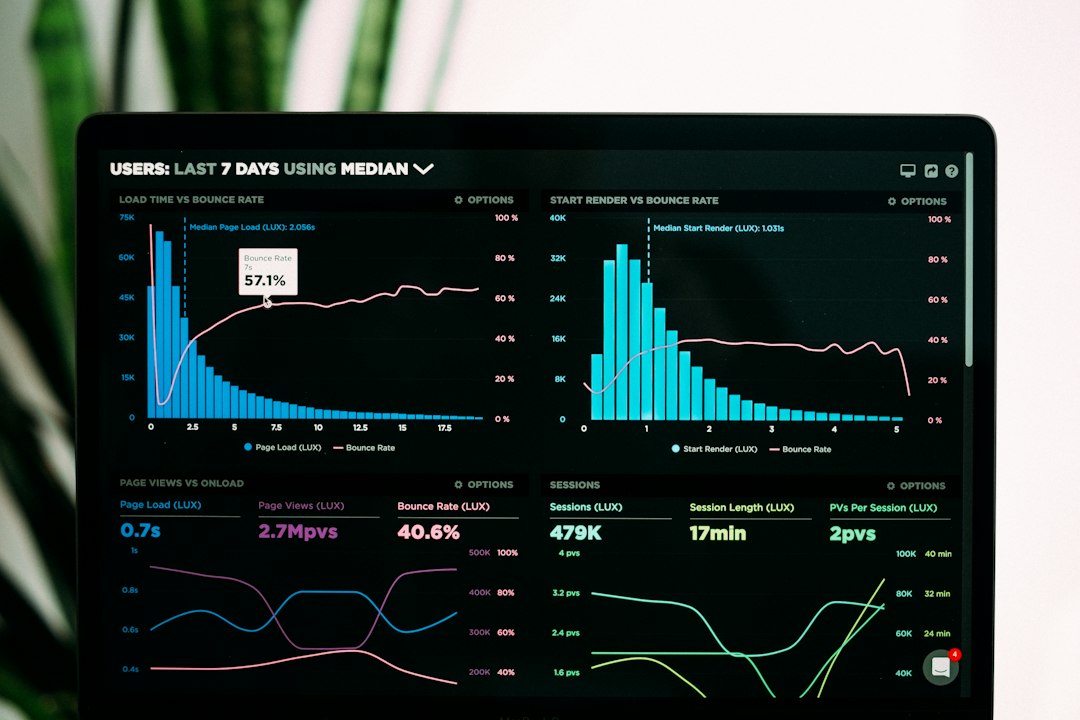
Semrush is better for strategy beyond the map pack. It helps a Luton company understand which services deserve their own pages, which competitors are gaining traffic, and which backlinks may improve authority.
- Keyword research: Semrush shows search volumes, keyword variations, and difficulty estimates.
- Competitor research: It can compare sites ranking for terms like “SEO agency Luton” or “loft conversion Luton”.
- Content planning: It helps identify service pages, FAQs, and blog topics worth creating.
- Technical audits: It finds crawl errors, duplicate titles, broken links, and slow pages.
- Backlink analysis: It shows referring domains and toxic-looking link patterns.
Semrush has more data, but more data is not always helpful. A Luton café does not need a 90-page backlink report before fixing its opening hours on Google. For larger campaigns, though, Semrush adds depth that BrightLocal does not provide.
Which Tool Should a Luton Business Pick?
The best choice depends on the problem.
| Business Goal | Best Tool | Reason |
|---|---|---|
| Improve Google Maps rankings | BrightLocal | Better local grid tracking and citation checks |
| Find service page keywords | Semrush | Stronger keyword and competitor data |
| Fix inconsistent listings | BrightLocal | Clearer citation audit tools |
| Build a content plan | Semrush | Better topic and ranking analysis |
| Track real search performance | Google Search Console | Direct data from Google |
For a small Luton business with a limited budget, BrightLocal plus free Google tools is often enough at the start. For a growing company with multiple services, Semrush becomes more useful after the local basics are fixed.
Other Tools That Help Local SEO in Luton
No single tool covers everything. A tidy local SEO setup usually combines several platforms.
- Google Business Profile: Essential for map visibility, photos, business hours, services, posts, and reviews.
- Google Search Console: Shows clicks, impressions, queries, indexed pages, and technical warnings.
- Google Analytics 4: Tracks traffic sources, conversions, forms, calls, and user behaviour.
- Screaming Frog: Excellent for technical audits on local business websites.
- Ahrefs: Strong for backlink analysis and competitor link research.
- Whitespark: Useful for citation building and local rank tracking.
- Surfer SEO or similar content tools: Helpful for shaping service pages, though human editing is still needed.

A Practical SEO Luton Workflow
A sensible campaign starts with the basics. First, the business should confirm that its name, address, phone number, opening hours, and service areas are consistent. Even small errors can hurt trust. A company shown as “Luton Ltd” on one site and “Luton Limited” on another may not suffer every time, but messy data creates avoidable risk.
Next, the Google Business Profile should be improved. Categories should match real services. Photos should look current. Reviews should be answered. Services should be listed clearly. Then BrightLocal can track map rankings across Luton postcodes and nearby areas.
After that, Semrush can guide the content plan. A solicitor may need pages for family law Luton, conveyancing Luton, and employment law Luton. A builder may need pages for extensions, loft conversions, new builds, and kitchen renovations. Each page should include local proof, clear service details, FAQs, and strong calls to action.
What Metrics Matter Most?
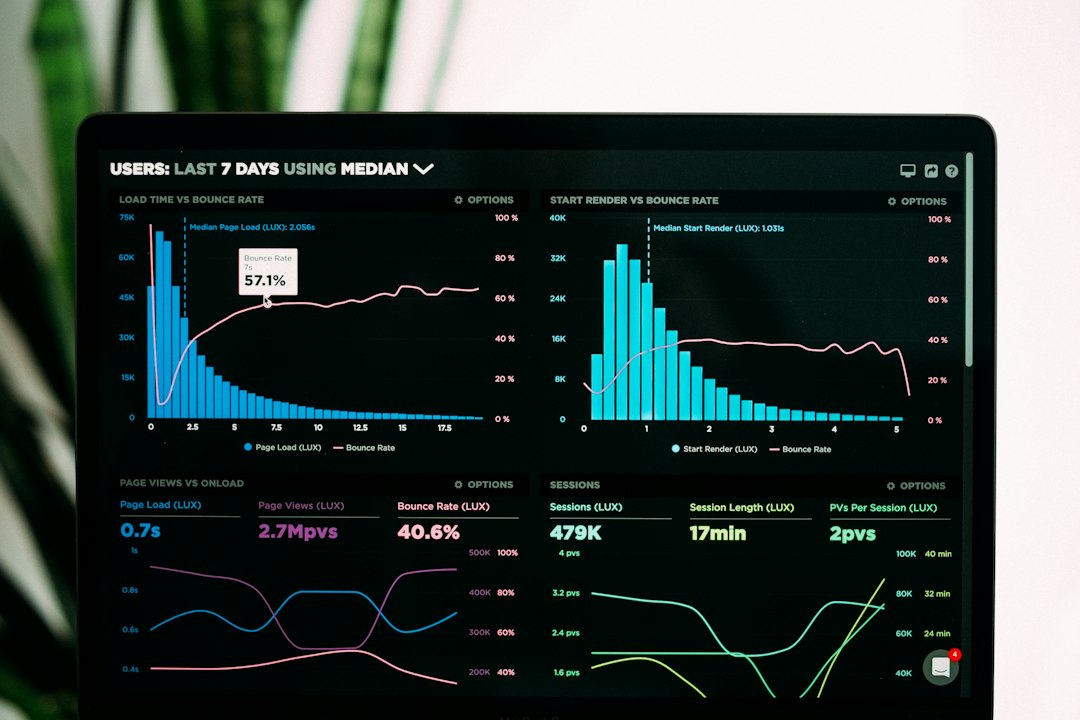
Rankings matter, but they are not the whole story. A business can rank first and still get poor results if the profile looks weak. Local SEO teams should watch the numbers that link to revenue.
- Google Business Profile calls: Are more people calling from search?
- Direction requests: Are local customers finding the premises?
- Website clicks: Are map users visiting the site?
- Local keyword rankings: Are priority terms improving in target areas?
- Conversion rate: Are visitors submitting forms or booking appointments?
- Review growth: Is the business earning fresh, positive reviews each month?
A useful benchmark is simple. If a Luton service business improves from 35 to 55 Google Business Profile calls per month, that is a 57% increase. If five of those extra calls become jobs worth £300 each, the tool cost becomes easy to justify.
Common Mistakes With Local SEO Tools
Many businesses buy software before fixing obvious issues. That creates pretty charts but few gains. The most common mistakes include tracking too many keywords, ignoring reviews, copying competitor text, and treating national keyword volume as local demand.
Another issue is poor location targeting. A Luton firm may want work in Dunstable, Harpenden, Hitchin, and St Albans, but one thin homepage will not rank well for every town. Separate, useful local pages often work better, as long as they are not lazy duplicates.
Honestly, it feels like some tools make simple jobs take longer than they should. Exporting reports, cleaning columns, and explaining vanity metrics can eat an hour. That time is better spent improving pages, earning reviews, and checking whether leads increased.
FAQ
Is BrightLocal better than Semrush for Luton local SEO?
BrightLocal is usually better for Google Maps rankings, citation checks, and review monitoring. Semrush is better for keyword research, content planning, backlink checks, and wider organic SEO.
Can a small Luton business use free tools only?
Yes, at the start. Google Business Profile, Google Search Console, and Google Analytics 4 can provide enough data for basic improvements. Paid tools help when tracking, audits, and competitor research become harder to manage manually.
How long does local SEO take in Luton?
Most businesses should expect early signs within 8 to 12 weeks. Stronger gains often take 3 to 6 months, especially in competitive sectors such as legal services, property, dentistry, trades, and hospitality.
What matters more, reviews or keywords?
Both matter, but reviews can make a faster visible impact. A business with strong rankings and poor reviews may still lose clicks. Fresh, genuine reviews improve trust and can support better local performance.
Should a business track rankings from only central Luton?
No. Rankings can change across neighbourhoods. Tracking from areas such as Leagrave, Stopsley, Bury Park, Wigmore, and the town centre gives a more honest view of local visibility.