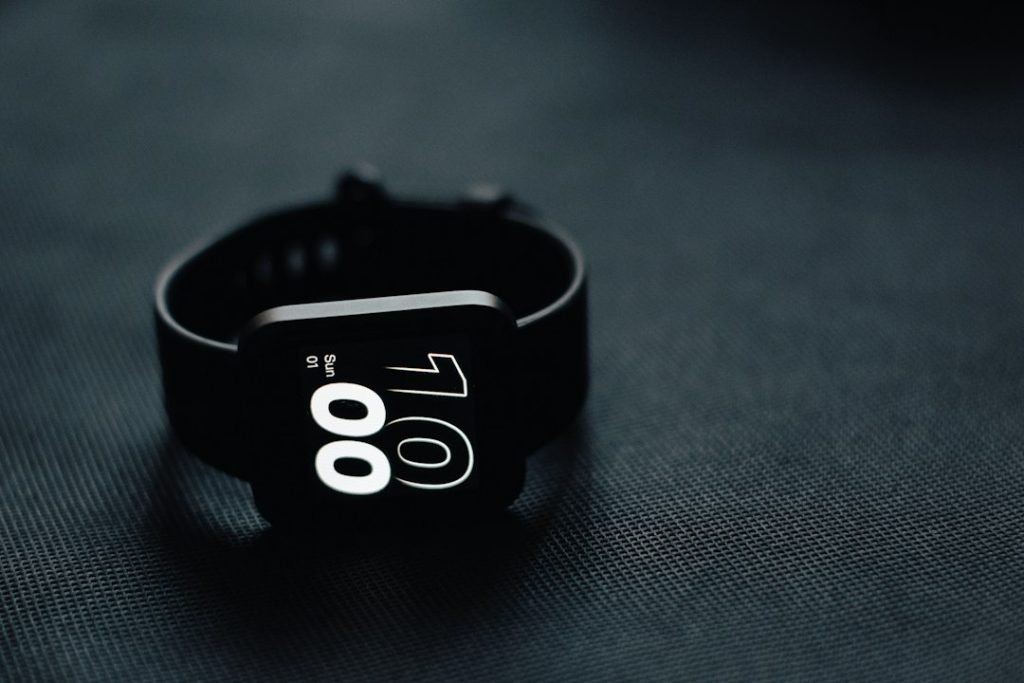
Best pick for most runners: the Coros Pace 3, because it gives strong GPS battery life, light weight, and serious training tools without feeling like a tiny phone on your wrist. The Garmin Forerunner 235 is still useful for basic running, but it is old now; Garmin lists it at up to 11 hours in GPS mode and up to 9 days in watch mode [source: Garmin].
TLDR: If you run three to five times per week, buy the Coros Pace 3 or Polar Pacer before buying a used Garmin Forerunner 235. For example, a runner doing four 45-minute GPS runs each week uses about 3 hours of GPS tracking, so the Coros Pace 3 has far more breathing room than the older Garmin. The Forerunner 235 still works for pace, heart rate, and distance, but its battery and software feel dated. The Polar Pacer Pro is the better pick if you care about structured training and recovery feedback.
Quick ranking: 6 running watches worth comparing
- Best overall: Coros Pace 3
- Best cheap used watch: Garmin Forerunner 235
- Best simple training watch: Polar Pacer
- Best coaching tools: Polar Pacer Pro
- Best beginner Garmin: Garmin Forerunner 55
- Best budget Coros alternative: Coros Pace 2
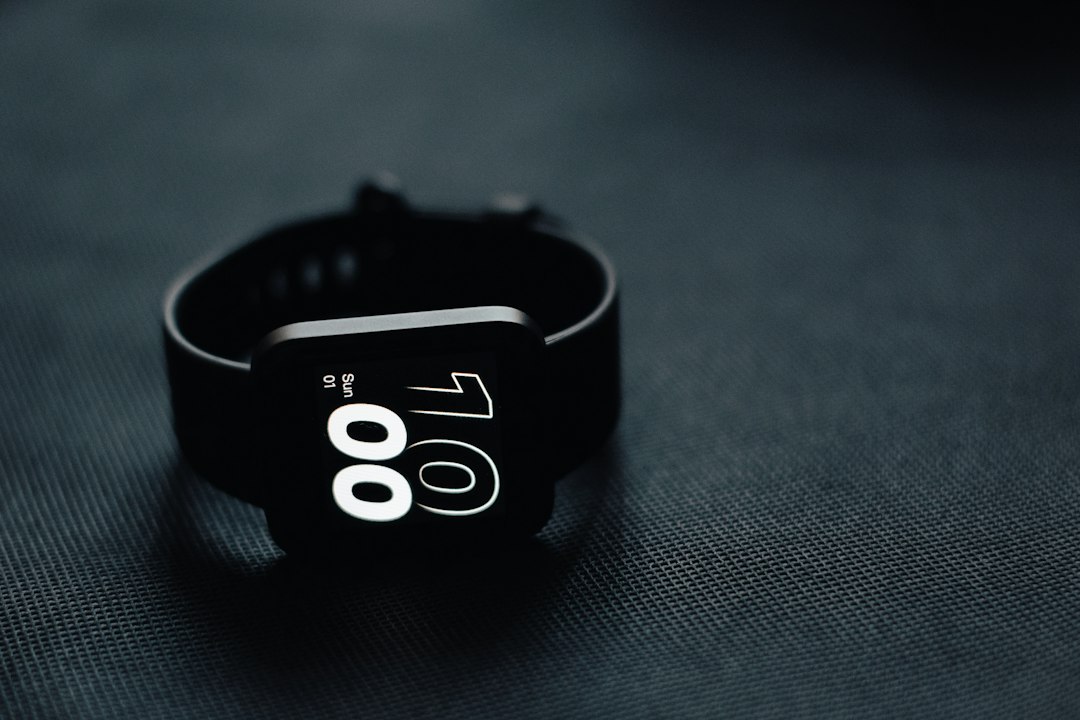
Garmin Forerunner 235: still good, but showing its age
The Garmin Forerunner 235 was a hit for a reason. It is light, easy to read, and does the basics well. You get GPS, wrist heart rate, pace alerts, cadence, interval workouts, daily steps, sleep tracking, and smart notifications.
For a new runner, that may be enough. It tells you how far you ran, how fast you went, and whether your heart rate was too high. That is the core job.
The problem is age. The screen looks old. The heart rate sensor is not as sharp as modern sensors. Battery life is fine for short runs, but not great for long training weeks. Honestly, it feels like buying an older car because the radio still works. Yes, it runs. No, it is not the best deal unless the price is very low.
Coros Pace 3: the best training value
The Coros Pace 3 is the watch I would pick for most runners here. It is very light, has strong GPS battery life, and supports dual-frequency GPS. That helps in cities, parks with trees, and messy routes where cheaper GPS can wobble.
It also gives you training load, recovery, sleep tracking, route support, and a clean app. The menus are simple once you learn the dial. Some runners prefer buttons, and that is fair. The digital dial can be annoying with sweaty hands. Still, the watch gets more right than wrong.
The Coros Pace 3 is best for runners who want numbers without paying premium-watch money. It suits 5K runners, half marathon plans, marathon blocks, and gym work.
Polar Pacer: simple, focused, and underrated
The Polar Pacer is for runners who want guidance, not clutter. It has GPS, wrist heart rate, sleep tools, running programs, and Polar’s clean training feedback. It does not try to be a luxury smartwatch.
That can be a good thing. You get less noise. You also get Polar Flow, which is one of the better training platforms. It presents your weekly load, recovery, and workouts in a way that normal people can understand.
The catch is sync and menus can feel slower than Garmin or Coros. Expect to waste time now and then waiting for the app to catch up. Not forever. Just enough to notice.

Polar Pacer Pro: better if hills matter
The Polar Pacer Pro adds more serious training features. It includes barometer-based elevation, running power from the wrist, route guidance, and richer performance tests. That makes it better for hill repeats, trail runs, and runners who want to track effort beyond pace.
Why does that matter? Pace can lie on hills. A 5:30/km pace uphill may be much harder than 4:50/km on flat ground. Running power helps show effort in a cleaner way. It is not magic, but it gives useful context.
Garmin Forerunner 55: the safer Garmin choice
If you like Garmin, choose the Forerunner 55 over the Forerunner 235 unless the 235 is much cheaper. The Forerunner 55 has better battery life, newer software, suggested workouts, recovery time, PacePro pacing, and a friendlier setup.
It is not flashy. It does not have music storage or maps. But for a first serious running watch, it is hard to complain. It also works well with Garmin Connect, which many runners already use.
Coros Pace 2: still a smart bargain
The Coros Pace 2 is still worth looking at if discounted. It is light, long-lasting, and packed with training stats. It lacks some newer Pace 3 features, such as dual-frequency GPS and music storage, but it remains strong for road running and track workouts.
If the Pace 2 is only a little cheaper than the Pace 3, get the Pace 3. If the gap is 30% or more, the Pace 2 becomes much more tempting.
Which one should you buy?
- Choose Garmin Forerunner 235 if you find it cheap and only need basic GPS runs.
- Choose Coros Pace 3 if you want the best mix of battery, weight, and training data.
- Choose Polar Pacer if you want simple plans and clear recovery feedback.
- Choose Polar Pacer Pro if you train on hills or want wrist-based running power.
- Choose Garmin Forerunner 55 if you want Garmin features without a high price.
- Choose Coros Pace 2 if you find a strong sale price.
Final call: the Garmin Forerunner 235 is fine as a low-cost starter, but the Coros Pace 3 and Polar Pacer are better daily training partners. If you care about long battery life, go Coros. If you care about training guidance and recovery, go Polar. If you just want a simple Garmin, skip the old 235 and get the Forerunner 55.