

The best Stigg alternative depends on what you need most: pricing experiments, subscription operations, tax handling, usage metering, or finance-grade revenue reporting. Usage-based pricing is no longer rare; OpenView reported that 61% of SaaS companies used some form of usage-based pricing in 2023 [source: OpenView]. That makes the billing stack a real product decision, not just a finance tool choice.
TLDR: If you need fast subscription billing, start with Stripe Billing or Chargebee. If your pricing depends on seats, credits, API calls, or events, look at Orb or Metronome. For example, a SaaS product charging $49 per seat plus $0.02 per API call will likely need stronger metering than a plain checkout tool. Enterprise teams with complex contracts may prefer Zuora or Maxio.
1. Chargebee
Chargebee is one of the most common Stigg alternatives for SaaS companies that want mature subscription management without building too much in-house. It handles recurring billing, trials, coupons, invoicing, revenue recognition add ons, dunning, and plan changes.
It is a good fit for B2B SaaS teams that sell monthly and annual plans, offer add ons, and need clean billing workflows. The admin interface is easier for finance teams than many developer-first tools.
- Best for: subscription management and finance operations.
- Watch out for: pricing can rise as billing volume grows.
- Good use case: SaaS companies moving from manual invoices to self-serve subscriptions.
The catch is that advanced usage billing may still need careful setup. Expect to spend time mapping product plans correctly before launch.

2. Stripe Billing
Stripe Billing is often the simplest choice if your business already uses Stripe for payments. It supports subscriptions, invoices, pricing tables, customer portals, coupons, tax integrations, and usage-based billing through metered prices.
Stripe is strong when product and engineering teams want control. Developers can build custom checkout flows and billing logic without fighting the system. It also connects well with payments, tax, fraud checks, and reporting.
- Best for: startups and product-led SaaS.
- Watch out for: non-technical teams may need engineering help often.
- Good use case: a SaaS app testing monthly, annual, and metered plans.
If your monetization plan is still changing, Stripe gives you room to test. That also makes it useful when planning broader app monetization strategies.
3. Orb
Orb is built for usage-based billing. It is a serious choice for AI tools, API products, data platforms, infrastructure software, and any SaaS product where billing depends on events.
Orb can track usage, rate events, support credits, run invoices, and model complex pricing. That matters if customers pay based on requests, tokens, messages, storage, seats, or compute time.
- Best for: usage metering and complex pricing.
- Watch out for: it may be more than you need for simple subscriptions.
- Good use case: an AI SaaS charging by seats plus generated tokens.
Honestly, it feels like many billing tools treat metering as an add on. Orb does not. That is its main strength.
4. Metronome
Metronome focuses on usage-based pricing for high-growth and enterprise SaaS companies. It helps teams model contracts, meter usage, calculate invoices, and manage custom pricing deals.
This is useful when sales teams create different terms for each large account. One customer may buy prepaid credits. Another may have tiered rates. Another may need usage commits and overage fees.
- Best for: enterprise usage-based billing.
- Watch out for: setup can feel heavy for early-stage teams.
- Good use case: infrastructure SaaS with negotiated contracts.

5. Zuora
Zuora is built for large companies with complex subscription models. It supports quotes, orders, recurring billing, revenue operations, and finance workflows at scale.
Zuora is not usually the fastest tool to launch. It is also not the lightest. But for companies with global teams, multiple entities, tax needs, approvals, and contract changes, it can be a strong fit.
- Best for: enterprise subscription operations.
- Watch out for: implementation can take time and budget.
- Good use case: a public or late-stage SaaS company with complex finance controls.
6. Maxio
Maxio combines subscription billing, SaaS metrics, revenue reporting, and financial operations. It is often used by B2B SaaS companies that need better reporting around ARR, MRR, churn, expansion, and collections.
Maxio is useful when leadership wants cleaner numbers without stitching together five spreadsheets. It can support subscription billing and usage-based models, while also giving finance teams the reporting they need for board meetings.
- Best for: SaaS finance, billing, and revenue reporting.
- Watch out for: product teams may find it less flexible than developer-first tools.
- Good use case: a B2B SaaS company preparing for funding or audits.
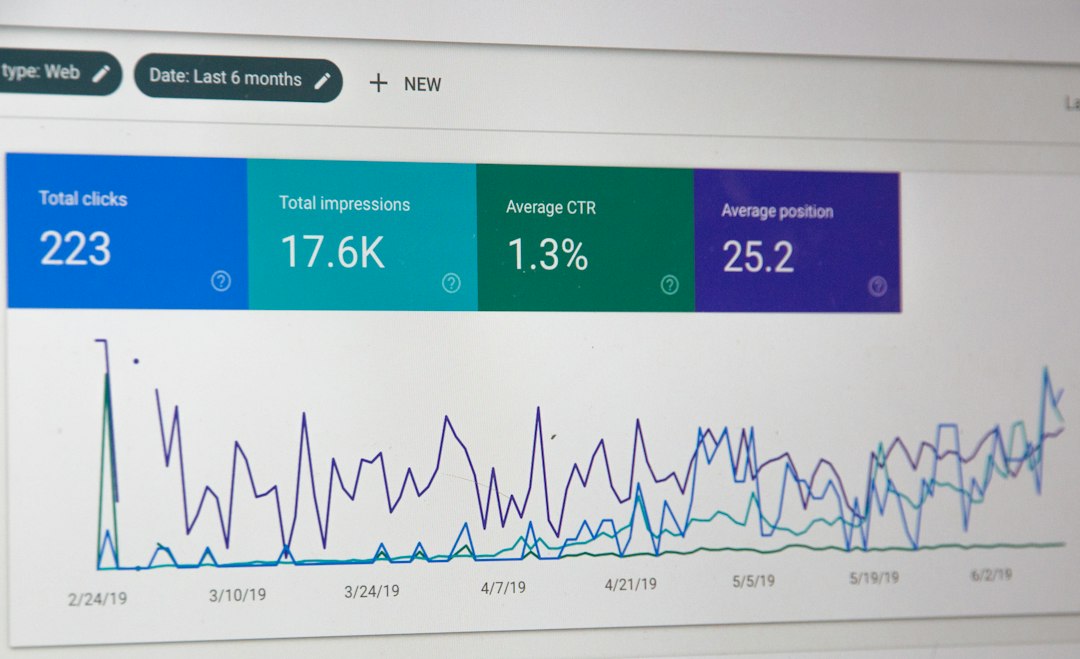
How to choose the right Stigg alternative
Pick based on billing pain, not brand names. If you need speed, choose Stripe Billing. If finance owns billing, look at Chargebee or Maxio. If usage events drive revenue, compare Orb and Metronome. If contracts are complex and global, review Zuora.
Also think about analytics. Billing data affects pricing, churn, upgrades, and customer value. The same logic applies in creator or media products, where revenue depends on views and engagement, as seen in Instagram Reels monetization.
Final recommendation: for most SaaS teams, start with Stripe Billing if engineering can support it, or Chargebee if finance needs control. Choose Orb when usage billing becomes the product’s core revenue engine.