
Modern applications rarely fail because of a single bug. More often, they break when distributed systems behave in unexpected ways—network partitions, crashed containers, duplicate messages, or partial retries. As backend architectures evolve toward microservices and event-driven patterns, ensuring reliable task execution becomes a complex engineering challenge. Workflow engines have emerged as a powerful solution, orchestrating long-running processes with fault tolerance built in.
TLDR: Workflow engines like Temporal make distributed task execution reliable by persisting state, automating retries, and coordinating complex workflows. Several comparable tools—both open source and commercial—offer similar guarantees with varying trade-offs in scalability, language support, and operational complexity. Choosing the right engine depends on your system’s architecture, team expertise, and reliability requirements. This article explores leading alternatives and compares them to help you make an informed decision.
Let’s explore the landscape of backend workflow engines comparable to Temporal and examine how they enable dependable task execution in distributed environments.
Why Workflow Engines Matter
In a simple application, a failed API call can be retried immediately. In a distributed system, failure handling becomes more intricate. For example:
- A payment operation must not be charged twice.
- A long-running order process may span multiple services and hours of activity.
- A container running a workflow might terminate at any time.
Traditional approaches—cron jobs, message queues, or ad-hoc retry logic—quickly grow brittle. Workflow engines solve this by introducing:
- Durable state persistence
- Automatic retries with backoff policies
- Stateful execution logic
- Event sourcing and deterministic replay
Temporal popularized this model by abstracting away distributed systems failures while allowing developers to write workflows in familiar programming languages.
What Makes Temporal Stand Out?
Temporal is widely recognized for:
- Code-first workflow definitions
- Deterministic replay for fault tolerance
- Built-in support for long-lived workflows
- Horizontal scalability at massive scale
Workflows are written in application code (e.g., Go, Java, TypeScript), not in declarative YAML or BPMN diagrams. This gives engineers flexibility, version control benefits, and full programming power.
However, Temporal isn’t the only solution capable of delivering this level of reliability.
Comparable Backend Workflow Engines
1. Cadence
Cadence is the open-source predecessor to Temporal, originally developed by Uber. It provides durable execution and strong support for long-running processes.
Key strengths:
- Battle-tested in production environments
- Similar execution model to Temporal
- Large-scale workflow handling
Considerations:
- Slower innovation pace compared to Temporal
- Smaller active community
2. Netflix Conductor
Netflix Conductor focuses on microservice orchestration using JSON-based workflow definitions.
Key strengths:
- Visual orchestration model
- Good for API-driven microservice coordination
- Cloud-friendly deployment options
Considerations:
- Less code-centric compared to Temporal
- Workflow logic defined outside primary application code
3. Camunda
Camunda is a long-established workflow automation platform supporting BPMN standards. It is popular in enterprise environments that need visibility and compliance.
Key strengths:
- BPMN visual modeling
- Enterprise tooling and monitoring
- Strong integration ecosystem
Considerations:
- Can be heavyweight
- Less developer-centric for code-first teams
4. AWS Step Functions
Amazon’s managed orchestration service allows developers to coordinate AWS services with state machines defined in JSON.
Key strengths:
- Fully managed service
- Deep AWS integration
- Minimal infrastructure overhead
Considerations:
- Vendor lock-in
- State definitions can become verbose
5. Azure Durable Functions
Azure Durable Functions extends serverless computing with reliable orchestration patterns using event sourcing.
Key strengths:
- Built-in reliability for Azure workloads
- Familiar development experience for .NET teams
- Pay-per-execution pricing
Considerations:
- Azure ecosystem lock-in
- Less ideal for multi-cloud strategies
Comparison Chart
| Workflow Engine | Open Source | Code-First Approach | Managed Offering | Best For |
|---|---|---|---|---|
| Temporal | Yes | Yes | Yes | Large-scale distributed systems |
| Cadence | Yes | Yes | No | Uber-style microservices |
| Netflix Conductor | Yes | Partial | Optional | Service orchestration |
| Camunda | Yes (Community) | No (Model-driven) | Yes | Enterprise BPM workflows |
| AWS Step Functions | No | No | Yes | AWS-native applications |
| Azure Durable Functions | No | Yes | Yes | Azure serverless apps |
Architectural Patterns Shared Across Engines
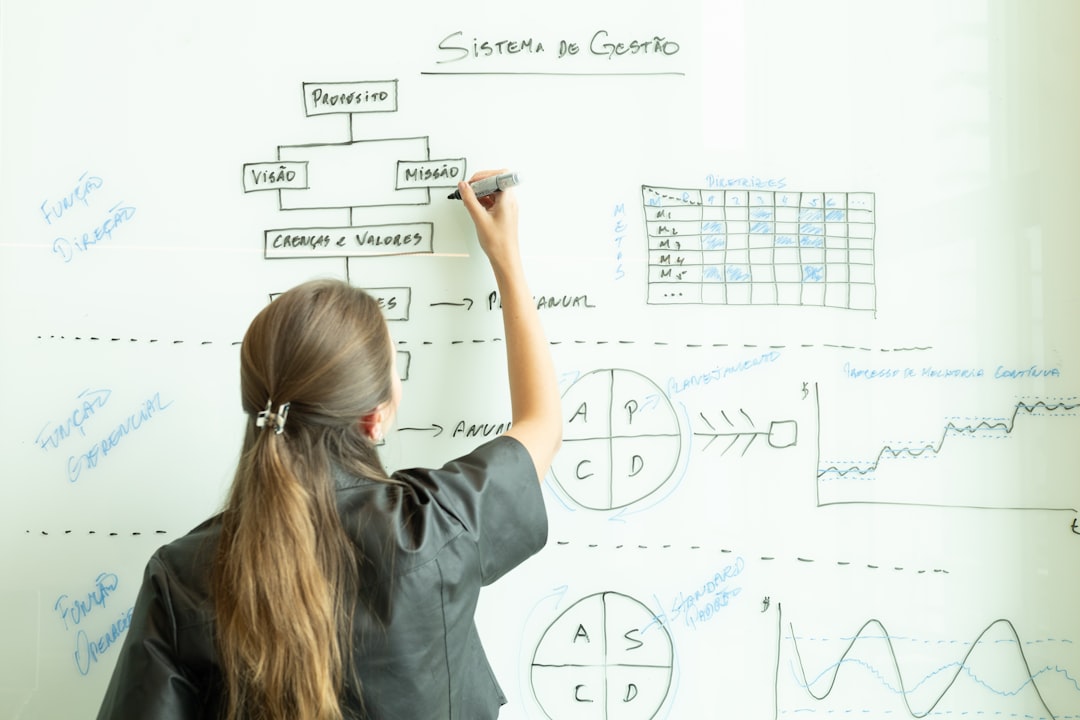
Despite their differences, these engines share common reliability patterns:
- Event sourcing: Recording state transitions to allow replay.
- Task queues: Decoupling work execution from orchestration logic.
- Idempotency guarantees: Preventing duplicate execution effects.
- Automatic retries: Built-in resilience without developer boilerplate.
This architecture enables workflows to survive:
- Server crashes
- Network interruptions
- Deployment restarts
- Infrastructure scaling events
Choosing the Right Engine
Selecting a workflow engine requires balancing several factors:
1. Developer Experience
If your team prefers writing workflows directly in application code, tools like Temporal, Cadence, or Durable Functions may feel natural.
2. Infrastructure Responsibility
Managed services like AWS Step Functions reduce operational overhead, while self-hosted engines require more DevOps investment.
3. Multi-Cloud Strategy
If vendor neutrality matters, open-source solutions may provide greater flexibility.
4. Workflow Complexity
Long-running, highly stateful processes benefit from engines specifically built for durability rather than lightweight orchestration tools.
The Future of Reliable Task Execution
The rise of resilient architectures reflects a shift in thinking: failure is not exceptional—it is inevitable. Workflow engines embrace this reality by making fault tolerance a default property rather than an afterthought.
As systems grow more distributed and event-driven, backend workflow engines will continue evolving toward:
- Stronger observability and tracing
- Simplified scalability
- Cross-cloud portability
- Improved local development tooling
Temporal may be a leading name in durable execution, but it is part of a broader ecosystem of powerful orchestration tools. Each engine provides a unique take on reliability, developer experience, and operational trade-offs.
Ultimately, the right choice depends on your architecture, reliability requirements, and team capabilities. What matters most is recognizing that reliable task execution is foundational to modern software. Investing in a workflow engine isn’t just about convenience—it’s about engineering systems that can withstand the unpredictable nature of distributed computing.