
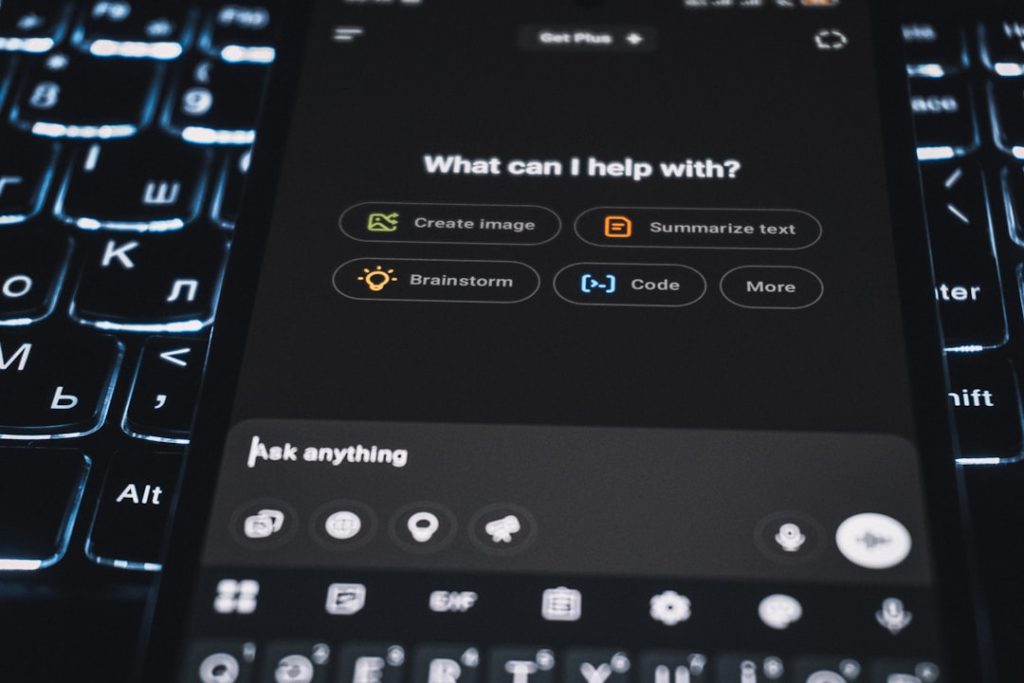
Level 1 IT support is under pressure to answer repetitive questions quickly, document every request, and escalate only the issues that truly need human expertise. Modern help desk platforms with AI bots can improve response times, reduce ticket volume, and create a more consistent employee or customer support experience. The best solutions combine ticketing, knowledge management, workflow automation, integrations, and responsible AI controls.
TLDR: The best L1 support tools with AI bots are platforms that can resolve common IT requests automatically, such as password resets, access requests, VPN troubleshooting, and software installation guidance. For example, a 500 employee company receiving 1,200 monthly IT tickets could realistically deflect 25% to 40% of repetitive requests with a well trained chatbot and knowledge base. Freshservice, Zendesk, Jira Service Management, ServiceNow, Aisera, and Moveworks are among the strongest options, depending on company size, budget, and integration needs.
What Makes an AI Help Desk Tool Suitable for L1 Support?
A reliable L1 support platform should do more than answer simple questions. It should understand user intent, collect diagnostic information, suggest solutions, route tickets correctly, and maintain a clean audit trail. In IT environments, trust and control matter as much as speed.
The strongest platforms usually include:
- AI chatbot or virtual agent: Handles common requests through chat, email, portals, or collaboration tools.
- Ticketing and case management: Creates, updates, prioritizes, and routes incidents and service requests.
- Knowledge base integration: Uses approved internal content to provide consistent answers.
- Workflow automation: Automates tasks such as password resets, account unlocks, approvals, and notifications.
- Analytics: Tracks deflection rate, first response time, resolution time, escalation rate, and user satisfaction.
- Security and compliance controls: Protects sensitive data and provides role based access, logs, and governance.

1. Freshservice
Freshservice is a popular IT service management platform that works well for small and mid sized organizations, while still offering enough depth for larger teams. Its AI capabilities can support ticket classification, suggested replies, automated routing, and employee self service.
The platform is especially useful for companies that need a clean interface and faster deployment. Its virtual agent can help users find knowledge base answers, submit service requests, and check ticket status. Freshservice also supports asset management, change management, and approval workflows, making it suitable for teams that want to mature beyond basic ticketing.
Best for: Organizations that want a balanced ITSM platform with approachable setup and practical automation.
2. Zendesk With AI
Zendesk is widely known for customer support, but it is also used by internal IT and operations teams. Its AI features help automate responses, suggest macros, summarize tickets, and guide agents toward recommended actions. Zendesk bots can answer repetitive questions across web, email, and messaging channels.
For L1 IT support, Zendesk is strongest when the team values omnichannel communication and fast knowledge based responses. It is particularly effective in environments where employees or customers already interact through chat and email. However, teams that require advanced ITIL processes may need additional configuration or integrations.
Best for: Support teams that need strong conversational support, ticket management, and multichannel communication.
3. Jira Service Management
Jira Service Management is a strong option for organizations already using Atlassian products such as Jira Software, Confluence, and Bitbucket. Its virtual agent can work with Slack and Microsoft Teams, helping users resolve common IT requests without leaving their collaboration environment.
One of its main strengths is the connection between service management and software development. If L1 tickets often need escalation to engineering or DevOps, Jira Service Management provides a structured path from user request to technical resolution. When paired with Confluence, it can use internal documentation to improve self service.
Best for: Technology teams, DevOps oriented organizations, and companies already invested in the Atlassian ecosystem.
4. ServiceNow IT Service Management
ServiceNow ITSM is an enterprise grade platform designed for complex IT environments. Its AI and automation capabilities include virtual agents, predictive intelligence, case routing, incident categorization, and workflow automation across departments.
For L1 support, ServiceNow is powerful because it can connect user requests with broader enterprise workflows. For example, an employee can request software access, trigger manager approval, create fulfillment tasks, and receive updates automatically. ServiceNow is not usually the simplest or least expensive option, but it is one of the most comprehensive.
Best for: Large enterprises that need advanced ITSM, governance, integrations, and scalable automation.

5. Aisera
Aisera focuses heavily on AI service experience and automation. It is designed to automate IT, HR, customer service, and operations workflows through conversational AI. For L1 IT support, Aisera can help resolve routine incidents, classify tickets, recommend knowledge articles, and perform automated actions through integrations.
Aisera is particularly relevant for organizations with high ticket volumes and multiple service desks. Its value comes from reducing repetitive workload and providing users with fast, conversational answers. As with any AI first platform, success depends on integration quality, governance, and the accuracy of available knowledge sources.
Best for: Companies seeking AI led service automation across IT and business support functions.
6. Moveworks
Moveworks is built around an AI assistant for enterprise support. It is often used to automate internal L1 support across IT, HR, finance, and facilities. The platform can understand employee requests, search knowledge sources, trigger workflows, and provide answers through collaboration tools such as Slack or Microsoft Teams.
For IT support, Moveworks is strong in environments where employees prefer asking questions naturally instead of navigating a portal. It is designed to handle requests such as account issues, software access, device troubleshooting, and policy questions. It may be most valuable for larger organizations where even modest ticket deflection creates significant savings.
Best for: Enterprises that want an employee facing AI assistant integrated into daily collaboration channels.
How to Choose the Right Platform
The best choice depends on the maturity of your IT operations, the number of tickets, and the systems already in place. A smaller IT team may benefit from a platform that is easy to configure and maintain. A global enterprise may need multilingual support, complex approval chains, advanced reporting, and strict compliance controls.
Before selecting a vendor, evaluate the following:
- Ticket volume and categories: Identify the top 20 recurring L1 issues and estimate how many can be automated.
- Knowledge base quality: AI bots perform better when documentation is accurate, current, and written clearly.
- Integration requirements: Check compatibility with identity providers, endpoint tools, HR systems, asset databases, and collaboration apps.
- Escalation rules: Ensure the bot knows when to stop and transfer the issue to a human agent.
- Reporting: Look for clear metrics on deflection, resolution quality, user satisfaction, and agent productivity.
- Data protection: Confirm how the platform stores, processes, and uses sensitive company information.
Common L1 Processes That AI Bots Can Automate
AI help desk bots are most effective when they are assigned predictable, well documented tasks. Common examples include password reset guidance, account unlock requests, software access requests, printer troubleshooting, VPN connection steps, device setup instructions, ticket status updates, and routing incidents to the correct support group.
For instance, if 30% of monthly tickets are related to password and access issues, automating just those workflows can reduce manual workload substantially. The result is not only lower ticket volume, but also faster service for employees and more time for IT agents to handle complex incidents.

Implementation Best Practices
Successful AI support depends on disciplined implementation. Start with a limited scope rather than trying to automate every process immediately. Choose a few high volume use cases, test them carefully, and measure the results before expanding.
- Clean up knowledge articles before connecting them to the bot.
- Use human review for sensitive or high risk workflows.
- Monitor failed conversations to identify missing content or confusing answers.
- Train agents to improve bot responses and maintain documentation.
- Review metrics monthly to confirm that automation is improving outcomes, not hiding problems.
Final Recommendation
For small and mid sized IT teams, Freshservice and Zendesk are practical starting points because they combine usability with strong automation features. For technology focused organizations, Jira Service Management is a strong fit, especially when paired with Confluence and existing Atlassian workflows. For large enterprises, ServiceNow, Aisera, and Moveworks offer deeper automation and broader service experience capabilities.
The right L1 support tool should not simply add an AI bot to the front of an old process. It should improve the entire support model by reducing repetitive work, increasing consistency, and giving users faster access to reliable help. When implemented carefully, AI powered help desk platforms can become a serious operational advantage for IT support teams.