
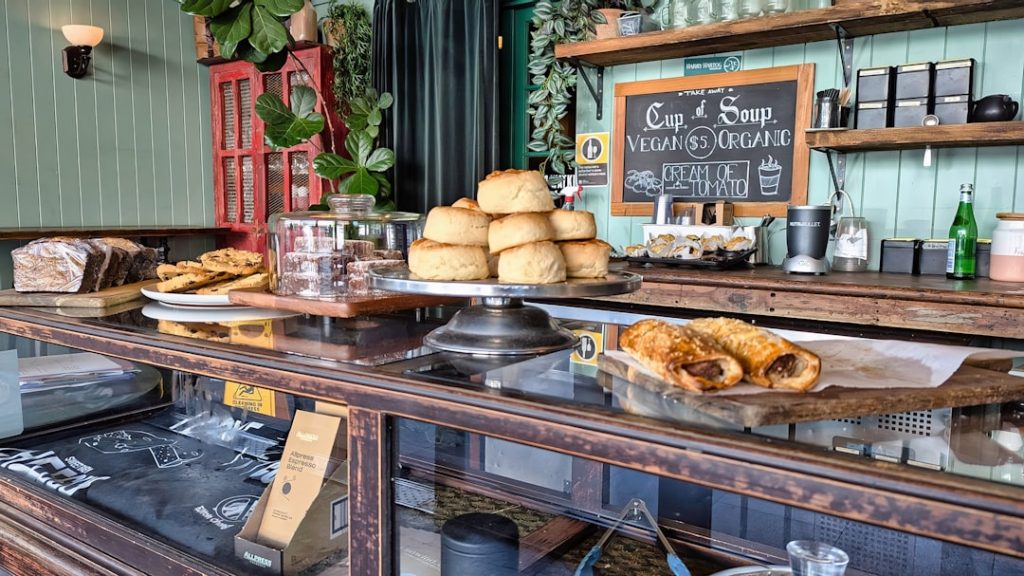
Imagine a tiny shop with one captain, one map, and one treasure chest. That is a proprietorship business. It is simple, fast to start, and easy to understand. One person owns it. One person runs it. One person enjoys the profit. And yes, one person also handles the headaches.
TLDR: A proprietorship is a business owned by one person. It is easy to start, simple to manage, and gives the owner full control. The owner keeps all profits but is also personally responsible for all debts. It is a great choice for small businesses, freelancers, local shops, and solo service providers.
What Is a Proprietorship Business?
A proprietorship business is the simplest form of business ownership. It is also called a sole proprietorship. The word “sole” means one. So, the business has one owner.
The owner and the business are treated as the same person in many ways. If the business earns money, the owner earns money. If the business owes money, the owner owes money. There is no big wall between the owner and the business.
Think of a baker who sells cakes from a small shop. She buys the flour. She sets the prices. She talks to customers. She keeps the profit. That is a classic proprietorship.
1. One Person Owns the Business
This is the biggest feature. A proprietorship has one owner. There are no partners. There are no shareholders. There is no board of directors asking confusing questions in a serious room.
The owner makes decisions alone. This can feel exciting. It can also feel scary. But it keeps things simple.
- The owner chooses the business name.
- The owner decides what to sell.
- The owner sets prices.
- The owner hires help, if needed.
- The owner handles customers.
In short, the owner is the boss. The real boss. Not the “please ask three managers first” kind of boss.
2. Easy to Start
A proprietorship is usually easy to create. It does not need a complex setup. In many places, a person can start by choosing a business activity and getting the needed local licenses or permits.
There is often less paperwork than with a company or corporation. This is one reason many small businesses begin as proprietorships.
Common examples include:
- Freelance writers
- Graphic designers
- Tutors
- Plumbers
- Hair stylists
- Food stall owners
- Small online sellers
It is a popular choice for people who want to test an idea. You can start small. You can learn as you go. You can grow later.
3. Full Control
In a proprietorship, the owner has complete control. This means decisions can be made quickly. No voting. No long meetings. No waiting for ten people to agree on the color of a signboard.
If the owner wants to open early, they can. If they want to sell a new product, they can. If they want to change the shop layout, they can do it before lunch.
This is great for people who like freedom. It is also great for creative business owners. They can shape the business in their own style.
But full control also means full responsibility. If a decision goes badly, there is nobody else to blame. Except maybe the cat. But that usually does not work.
4. The Owner Gets All Profits
One sweet feature of a proprietorship is that the owner keeps the profits. After paying costs, the money left belongs to the owner.
There is no need to share profits with partners. There are no shareholders waiting for dividends. The reward goes to the person who built the business.
This can be very motivating. Work hard, serve customers well, control costs, and the reward can be yours.
Of course, business is not magic. Profit is not guaranteed. Some months may be great. Some months may feel like the cash register is taking a nap.
5. Unlimited Liability
Now comes the serious part. A proprietorship has unlimited liability. This means the owner is personally responsible for business debts.
If the business cannot pay what it owes, the owner may have to use personal money or assets. This could include savings, a car, or other property, depending on the law in that place.
This is one of the biggest risks of a proprietorship.
For example, if a shop borrows money and cannot repay it, the owner is responsible. If a customer sues the business, the owner may be personally involved.
That sounds scary. And it can be. This is why many proprietors use insurance, keep clear records, and avoid taking risky debts.

6. Simple Tax Treatment
Taxes are usually simpler for a proprietorship than for larger business structures. The owner often reports business income with personal income. The exact rules depend on the country or region.
This can reduce paperwork. It can also make accounting easier. Still, “simple” does not mean “ignore it and hope for the best.” That is not a tax strategy. That is a future headache.
A proprietor should track:
- Sales income
- Business expenses
- Receipts
- Invoices
- Taxes owed
- Payments to workers or helpers
Good records help the owner understand the business. They also make tax time less painful.
7. Limited Life of the Business
A proprietorship is closely tied to its owner. If the owner stops working, retires, becomes ill, or passes away, the business may stop too.
This is called limited continuity. The business does not have a life separate from the owner in the same way a corporation might.
Some proprietorships can be sold or passed to family members. But it may require new registrations, new permits, or new agreements. It depends on the situation.
This is why planning matters. Even small businesses need a future plan. A simple plan is better than no plan.
8. Harder to Raise Large Funds
A proprietorship may find it harder to raise large amounts of money. Since there are no shares to sell, the owner usually depends on personal savings, loans, or business profits.
Banks may look at the owner’s personal credit. Investors may prefer a company structure. This can limit growth if the business needs big funding.
But many proprietorships do not need huge funding. A tutor may need a laptop. A gardener may need tools. A home baker may need an oven and ingredients. Small can still be powerful.
9. Direct Relationship with Customers
One lovely feature of a proprietorship is the personal touch. Customers often know the owner. They may like the friendly service. They may return because the owner remembers their name, order, or favorite joke.
This direct connection can build strong loyalty. It can make the business feel warm and human.

Large companies may have big budgets. But small proprietors can offer care, speed, and personality. Sometimes, that is the secret sauce.
10. Flexible and Quick to Change
A proprietorship can move fast. If customers want a new flavor, a baker can try it tomorrow. If a freelancer sees a better niche, they can shift focus. If a shop owner notices slow sales, they can change the display.
This flexibility is a major strength. Small businesses can adapt quickly. They do not need approval from many levels of management.
In a fast-changing market, speed matters. A little business can dance while a big business is still tying its shoes.
Advantages at a Glance
- Easy to start: Less paperwork and lower setup cost.
- Full control: The owner makes all decisions.
- All profits: The owner keeps what is earned after costs.
- Simple management: No complex structure.
- Personal service: Strong customer relationships.
- Flexible: Easy to change direction.
Disadvantages at a Glance
- Unlimited liability: Personal assets may be at risk.
- Limited funds: Raising large capital can be difficult.
- Owner pressure: One person carries most responsibility.
- Limited continuity: The business depends heavily on the owner.
- Limited skills: One person may not know everything.
Who Should Choose a Proprietorship?
A proprietorship is often a good fit for a small, low-risk business. It suits people who want control and simplicity. It is useful for testing an idea before building something bigger.
It may be a smart choice for freelancers, consultants, artists, small traders, and local service providers. It works best when costs are manageable and risks are not too high.
But if the business has big debts, legal risks, or plans to attract investors, another structure may be better. The owner should get local legal or financial advice before making a final choice.
Final Thoughts
A proprietorship is like riding a bicycle built for one. It is simple. It is direct. It gives freedom. But the rider must balance everything.
The owner gets the control, the profits, and the pride. The owner also gets the risk, the bills, and the responsibility. That is the deal.
For many people, this simple business form is the perfect start. It lets an idea step out into the world without too much fuss. And sometimes, one person with one good idea is more than enough to begin something amazing.