
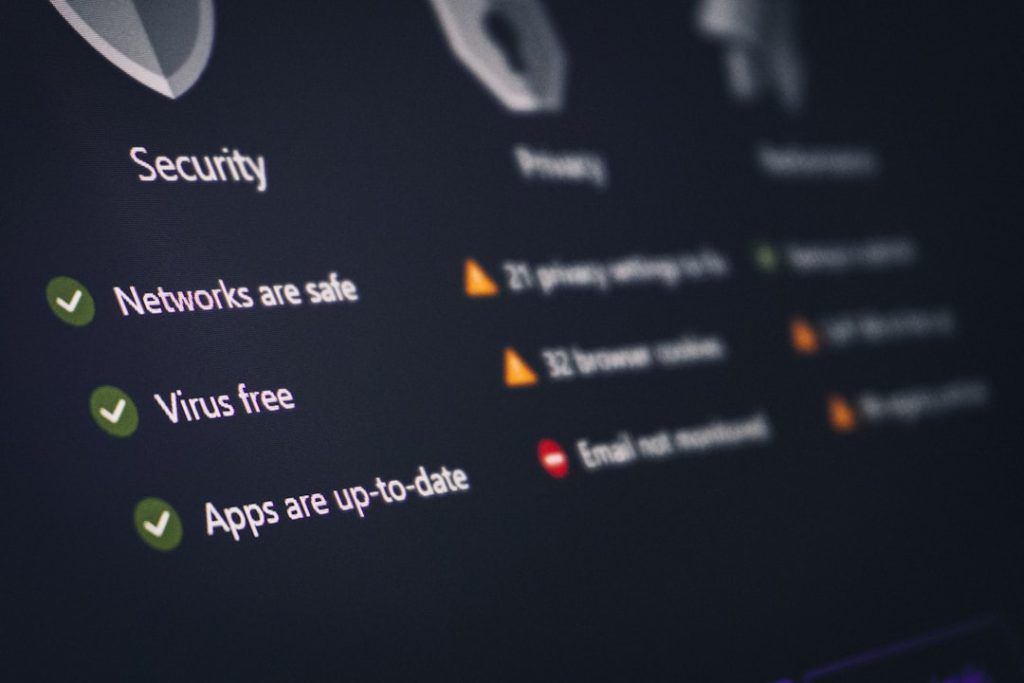
Identity theft is scary. It can feel like someone sneaking into your digital life and pretending to be you. They can open credit cards. Take loans. Even access your bank accounts. The good news? You do not have to fight this alone. Tools like Aura and other identity theft protection services are built to watch your financial and personal data 24/7.
TLDR: Identity theft protection tools like Aura monitor your personal and financial data to catch fraud early. They track your credit, bank activity, and even dark web leaks. If something looks wrong, they alert you fast and help fix the problem. Think of them as a digital bodyguard for your identity.
Let’s break it all down in a simple way.
What Is Identity Theft?
Identity theft happens when someone steals your personal information and uses it without your permission. This could be your:
- Social Security number
- Credit card number
- Bank account details
- Email login
- Home address
Criminals use this information to pretend to be you. They might open new credit accounts. File fake tax returns. Or drain your bank account.
Fixing identity theft can take months. Sometimes years. That is why prevention matters so much.
What Are Identity Theft Protection Tools?
Identity theft protection tools are services that monitor your personal information. They look for suspicious activity. If something seems off, they alert you right away.
Think of them like a home alarm system. But instead of protecting your house, they protect your identity.
Popular tools include:
- Aura
- LifeLock
- Identity Guard
- Experian IdentityWorks
Each service is a little different. But they all focus on keeping your information safe.
How Tools Like Aura Work
Let’s look at what these tools actually do behind the scenes.
1. Credit Monitoring
They track your credit reports at major credit bureaus. This includes Experian, Equifax, and TransUnion.
If someone tries to:
- Open a new credit card in your name
- Take out a loan
- Change your address
You get an alert. Fast.
This helps you act before serious damage is done.
2. Dark Web Monitoring
The dark web is a hidden part of the internet. Stolen information is often sold there.
Protection tools scan the dark web for your:
- Email address
- Passwords
- Social Security number
- Bank account numbers
If your data shows up, you are notified. That gives you time to change passwords and lock accounts.
3. Bank and Credit Card Monitoring
Some services connect to your financial accounts.
They watch for:
- Large withdrawals
- Strange purchases
- Overseas transactions
If something unusual happens, you get a message right away.
4. Identity Restoration Support
This part is huge.
If your identity is stolen, companies like Aura offer dedicated support specialists. They help:
- Freeze your credit
- Dispute fraud charges
- Contact banks
- File reports
Some even offer insurance coverage for certain losses.
Why You Can’t Rely on Banks Alone
You might think your bank already protects you. And yes, banks have security systems.
But here is the problem.
Banks only see activity inside your account. They do not monitor:
- New credit accounts opened elsewhere
- Dark web leaks
- Someone using your Social Security number
Identity protection services look at the bigger picture.
Key Features to Look For
Not all identity theft tools are equal. When comparing services like Aura, look for these features:
- Three bureau credit monitoring
- Real time alerts
- Dark web scanning
- Bank account monitoring
- Identity theft insurance
- Family plans
Some plans also include extras like:
- Password managers
- VPN services
- Parental controls
- Spam call blockers
These added tools create a full digital safety net.
Who Needs Identity Theft Protection?
Short answer? Almost everyone.
But some people are at higher risk.
1. Families With Kids
Children are big targets. Why? Because their credit files are clean. Fraud can go unnoticed for years.
Family plans can monitor your child’s Social Security number and credit activity.
2. Seniors
Older adults are often targeted by scams. Monitoring tools add an extra layer of protection.
3. Frequent Online Shoppers
The more you shop online, the more places your card information lives.
More exposure means more risk.
4. Remote Workers
If you work from home, you share files and data online daily. That increases digital exposure.
What Makes Aura Popular?
Aura has gained attention because it combines multiple services into one platform.
Instead of buying separate tools, you get:
- Identity monitoring
- Credit tracking
- VPN service
- Password manager
- Antivirus protection
All in one dashboard.
It is designed to be simple. Clean layout. Easy alerts. Clear instructions.
That matters. Because security tools should not feel confusing.
Pros and Cons
Pros
- Early fraud detection
- Peace of mind
- Expert restoration help
- Insurance coverage options
- Convenient all in one apps
Cons
- Monthly cost
- Not all fraud can be prevented
- Some alerts may feel overwhelming
No service is perfect. But having a warning system is better than finding out months later.
How Much Do These Services Cost?
Most identity theft protection tools cost between $10 and $30 per month.
Family plans cost more. But they cover multiple people.
When thinking about the cost, ask yourself:
- How much time would it take to fix identity theft?
- What is the emotional stress worth?
- Could I afford large fraud losses?
For many people, the monthly fee feels small compared to the risk.
How to Maximize Your Protection
Even if you use a tool like Aura, you still need smart habits.
Here are simple steps to stay safer:
- Use strong, unique passwords
- Turn on two factor authentication
- Avoid clicking suspicious email links
- Check bank statements weekly
- Freeze your credit if you do not need new accounts
Protection tools work best when combined with personal awareness.
What Happens If Your Identity Is Stolen?
First, do not panic.
If you have a protection service:
- You receive an alert
- You confirm the fraud
- A restoration specialist guides you step by step
If you do not have a service, you must:
- Contact banks yourself
- File police reports
- Dispute charges manually
- Contact credit bureaus
This can feel overwhelming. Support makes a big difference.

Is Identity Theft Protection Worth It?
The answer depends on your comfort level with risk.
If you:
- Want constant monitoring
- Prefer early alerts
- Value professional support
- Have children or aging parents
Then yes, it can be worth it.
If you already monitor your credit closely and freeze your reports, you may feel comfortable without it.
It comes down to peace of mind.
The Future of Identity Protection
Data breaches are increasing. Almost every year, major companies report leaked customer information.
That means your data is likely already floating around in places you cannot see.
Identity protection tools are evolving. They now use artificial intelligence to detect unusual patterns. They send faster alerts. They offer broader coverage.
In the future, these services may become as common as antivirus software.
Final Thoughts
Your identity is one of your most valuable assets. It affects your money. Your reputation. Your future opportunities.
Tools like Aura act like digital watchdogs. They monitor your financial and personal data. They alert you when something looks wrong. They guide you if fraud happens.
No system can promise 100 percent protection. But having someone watch your back makes a big difference.
In a world where data is everywhere, protection is no longer optional for many people. It is part of smart digital living.
And sometimes, peace of mind is worth every penny.