Getting a book published in 2026 is a bit like trying to enter a busy theme park. There are many gates. Some have long lines. Some let you scan your own ticket and walk right in. The ride is still worth it, but you need to know which gate fits you best.
TLDR: Yes, getting a book published in 2026 can be hard, but it is not impossible. Traditional publishing is still very competitive. Self-publishing is easier to enter, but harder to do well. The best path is the one that matches your goals, patience, budget, and love of learning.
So, is it hard?
Yes. Also, no. Helpful answer, right?
Here is the simple version. It is hard to get a book published by a big publishing house. It is not hard to upload a book and sell it online. But it is hard to get people to notice it, buy it, read it, and tell their friends.
In 2026, publishing has more doors than ever. That is good news. It is also noisy news. Everyone has a keyboard. Everyone has a story. Some people even have three fantasy trilogies, a vampire cookbook, and a memoir about their cat.
So the question is not just, “Can I publish?” The better question is, “Can I publish well?”
The traditional publishing path
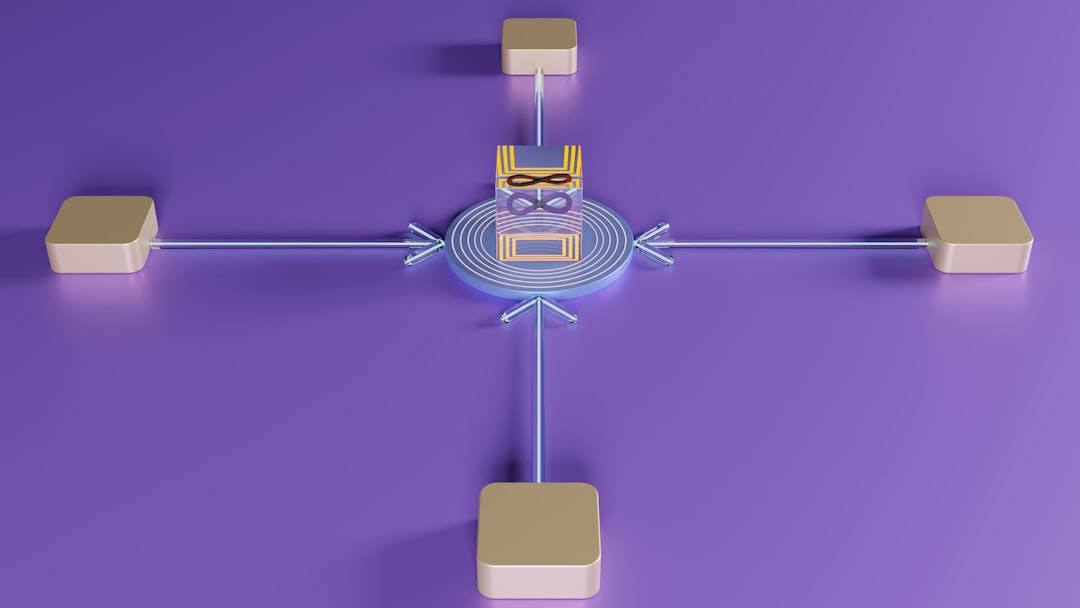
Traditional publishing is the classic route. You write a book. You polish it. You query literary agents. An agent may sign you. Then the agent sends your book to publishers. If a publisher says yes, they buy the rights and publish it.
Sounds simple. It is not.
Agents get huge numbers of submissions. Many receive hundreds or even thousands each month. They cannot take everyone. They are looking for books they love and books they think they can sell.
That means your book needs several things:
- A strong hook. The idea should be easy to explain.
- Great writing. Not perfect. But strong, clean, and alive.
- A clear market. Publishers want to know who will buy it.
- Good timing. Trends matter, even if everyone pretends they do not.
- Patience. Lots and lots of patience.
Traditional publishing can feel slow. Very slow. Like a snail riding another snail through pudding. You may wait months to hear from agents. Then more months for editors. If your book sells, it may take one to two years before it appears in stores.
But there are big benefits. You may get an advance. You get professional editing. You get a cover team. You get distribution. Your book may land in bookstores and libraries. You also get industry support, which can be powerful.
The self-publishing path
Self-publishing in 2026 is easier than ever. You can publish an ebook, paperback, hardcover, or audiobook without asking for permission. That part is lovely. No gatekeeper. No long wait. No mysterious agent inbox.
But self-publishing is not a magic button. It is more like opening a tiny bookstore on the moon. You can do it. But you must tell people where the moon is.
If you self-publish, you are not just the writer. You are also the publisher. That means you may need to handle:
- Editing
- Cover design
- Formatting
- Pricing
- Book descriptions
- Advertising
- Email lists
- Reviews
- Launch plans
That is a lot of hats. Some hats are fun. Some hats are itchy.
The good news is that self-publishing can work very well. Many authors earn real money this way. Some earn more than traditionally published authors. They move fast. They control their rights. They can publish a series quickly. They can test covers, prices, and ads.
The hard part is quality. Readers in 2026 expect professional books. They may forgive a small typo. They will not forgive a boring book with a blurry cover and a description that reads like it was written during a thunderstorm.
What about hybrid publishing?
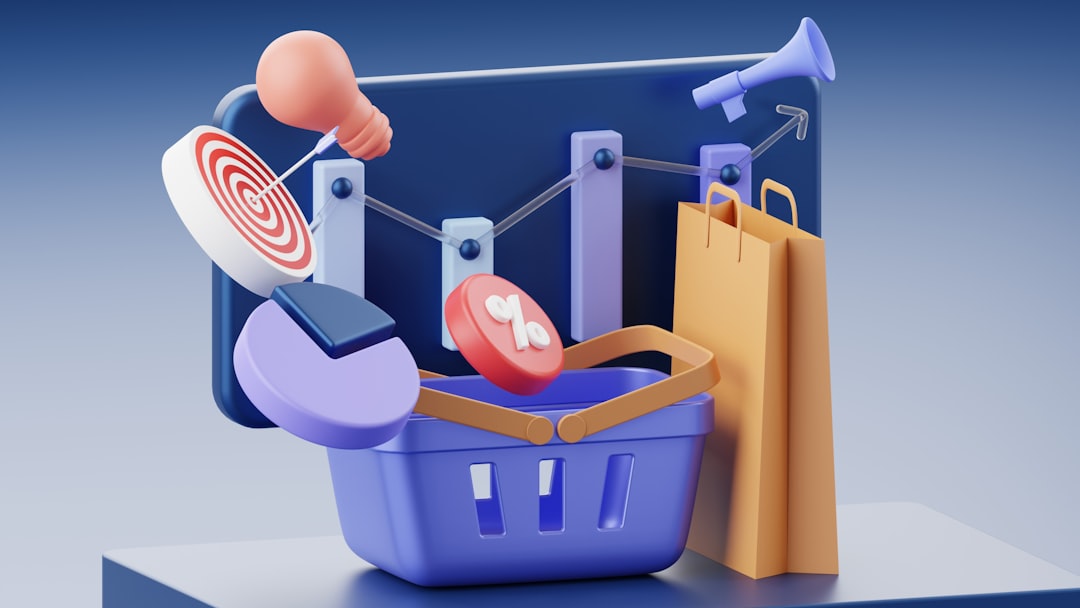
Hybrid publishing sits between traditional and self-publishing. Some hybrid publishers are helpful. Some are expensive trouble wearing a fancy hat.
A good hybrid publisher may provide editing, design, printing, and distribution. You often pay for these services. You may keep more royalties than in traditional publishing.
But be careful. In 2026, there are still many companies that flatter writers just to sell packages. They may say, “Your book is amazing,” before reading page two. That is not publishing. That is a sales script.
Before choosing a hybrid publisher, ask:
- What exactly do I pay for?
- Who owns the rights?
- What royalties do I get?
- Where will the book be sold?
- Can I speak to authors they have published?
- Do they reject some books, or accept everyone with a credit card?
If they accept everyone, run. Maybe jog first. Then run.
Has AI changed publishing?
Yes. A lot.
By 2026, AI tools are part of the writing world. Some authors use them to brainstorm titles, outline chapters, check grammar, or plan marketing. Publishers may use AI to study trends, speed up workflows, or sort data.
But AI has also made the market more crowded. Many low-effort books have appeared online. Some are useful. Many are not. Readers are tired of lazy content. Platforms are also more alert to spam and copycat books.
This can be good for serious writers. If you write with care, your work can stand out. Human voice matters. Taste matters. Humor matters. A weird little detail from your childhood matters. AI can help with tasks, but it cannot be you.
So do not panic. Just make your book feel alive.
What makes publishing hard in 2026?
The hardest parts are not always the parts people expect. Writing the book is hard, yes. But many writers finish a draft and then meet the real boss level.
Here are the big challenges:
- Competition: There are many books. A truly silly number of books.
- Discovery: Readers cannot buy a book they never see.
- Quality: Good enough is rarely good enough.
- Marketing: Authors often need to help promote their work.
- Rejection: Traditional publishing includes a lot of no.
- Costs: Self-publishing well can cost money.
- Time: Nothing moves as fast as you want.
That sounds gloomy. But it is not all doom and soggy sandwiches.
The tools are better now. Authors can reach readers directly. Niche books can find niche fans. A cozy mystery about a retired baker who solves crimes with a parrot? There is probably an audience. A guide to gardening on tiny balconies? Yes. A memoir about grief, surfing, and soup? Maybe. If it is good, there is hope.

How to improve your chances
You cannot control everything. You can control more than you think.
Start with the book. Make it the best you can. Revise more than once. Get feedback from people who read your genre. Not just your nicest cousin. Your cousin may be wonderful, but “I liked it” is not an edit.
Then learn the business. If you want traditional publishing, study query letters. Read recent books in your category. Know where your book fits. Follow agent guidelines exactly. If an agent asks for five pages, do not send fifty and a cupcake.
If you want to self-publish, treat it like a real launch. Hire help if you can. Use beta readers. Get a professional cover. Write a clear book description. Build a small audience before release. Even twenty excited readers can help.
Also, be realistic. One book may not change your life. Many authors grow slowly. A first book can be a doorway. A second book can be a better doorway. A fifth book may be the one that finally gets people knocking.
Which path should you choose?
Pick traditional publishing if you want industry support, bookstore reach, and do not mind waiting. It is a good path for many novels, memoirs, big nonfiction ideas, and books with wide appeal.
Pick self-publishing if you want control, speed, and higher royalty rates. It can be great for genre fiction, niche nonfiction, series, workbooks, and authors who enjoy marketing.
Pick hybrid only if the company is honest, selective, and clear. Read every contract. Then read it again. Then ask someone smart to read it too.
The final answer
So, is it hard to get a book published in 2026?
Yes, if you want readers, quality, and a real career. No, if you only mean putting a file online.
Publishing is easier to enter than before. It is harder to stand out. That is the trade. The door is open, but the room is crowded.
Still, people love books. They want stories. They want help. They want escape. They want to laugh, cry, learn, and feel less alone. If your book can do one of those things, it has a chance.
Write the best book you can. Choose your path with open eyes. Keep learning. Keep going. And please, for the sake of readers everywhere, give the parrot in the cozy mystery a good name.