
Summer can be an effective time to strengthen workplace relationships, especially when teams are balancing holidays, shifting schedules, and different working arrangements. A well-planned team building activity can improve communication, reinforce trust, and give employees a meaningful break from routine work. The best options are inclusive, easy to organize, and suitable for both office-based and remote teams.
TL;DR: The most effective summer team building activities are simple, purposeful, and accessible to everyone, regardless of location. Office teams can benefit from outdoor events, volunteer days, and wellness challenges, while remote teams can use virtual formats to create shared experiences. Choose activities that support collaboration without feeling forced, and always consider time zones, accessibility, and employee comfort.
1. Outdoor Picnic With Structured Conversation
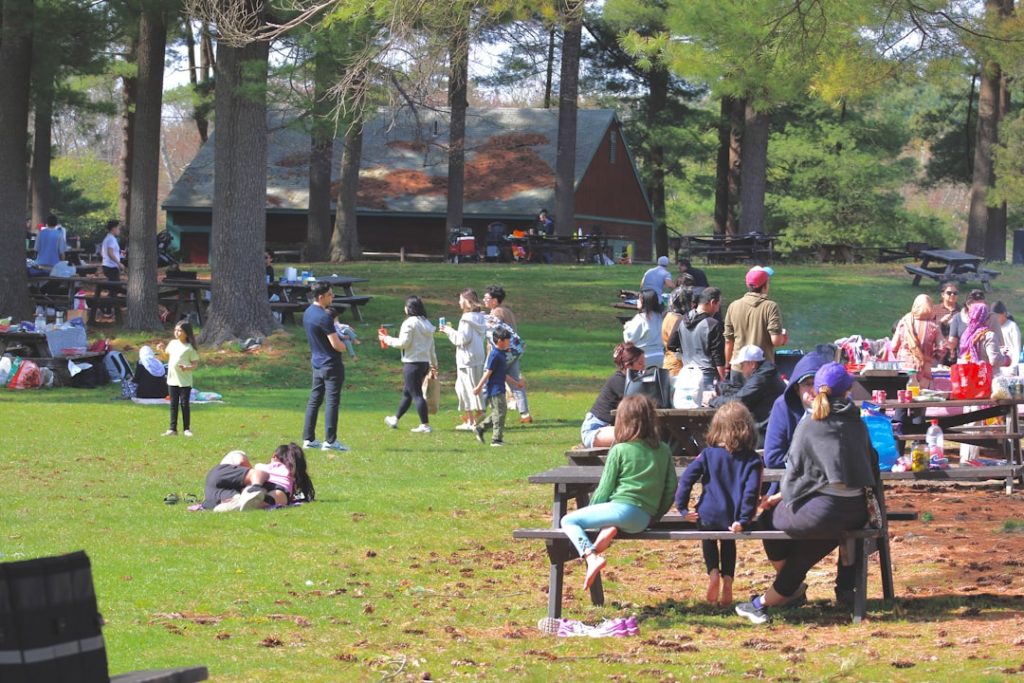
A summer picnic is a classic choice, but it works best when it includes more than food and casual conversation. For office teams, a picnic in a nearby park or courtyard can provide a relaxed setting away from desks and meeting rooms. For remote teams, consider a distributed picnic, where employees receive a modest meal allowance and join a short video call from their own outdoor space, balcony, or local café.
To make the experience valuable, include structured prompts such as “What is one work habit that helps you stay productive?” or “What is one thing your team could improve this quarter?” These questions keep the gathering professional while still allowing personal connection.
2. Summer Wellness Challenge
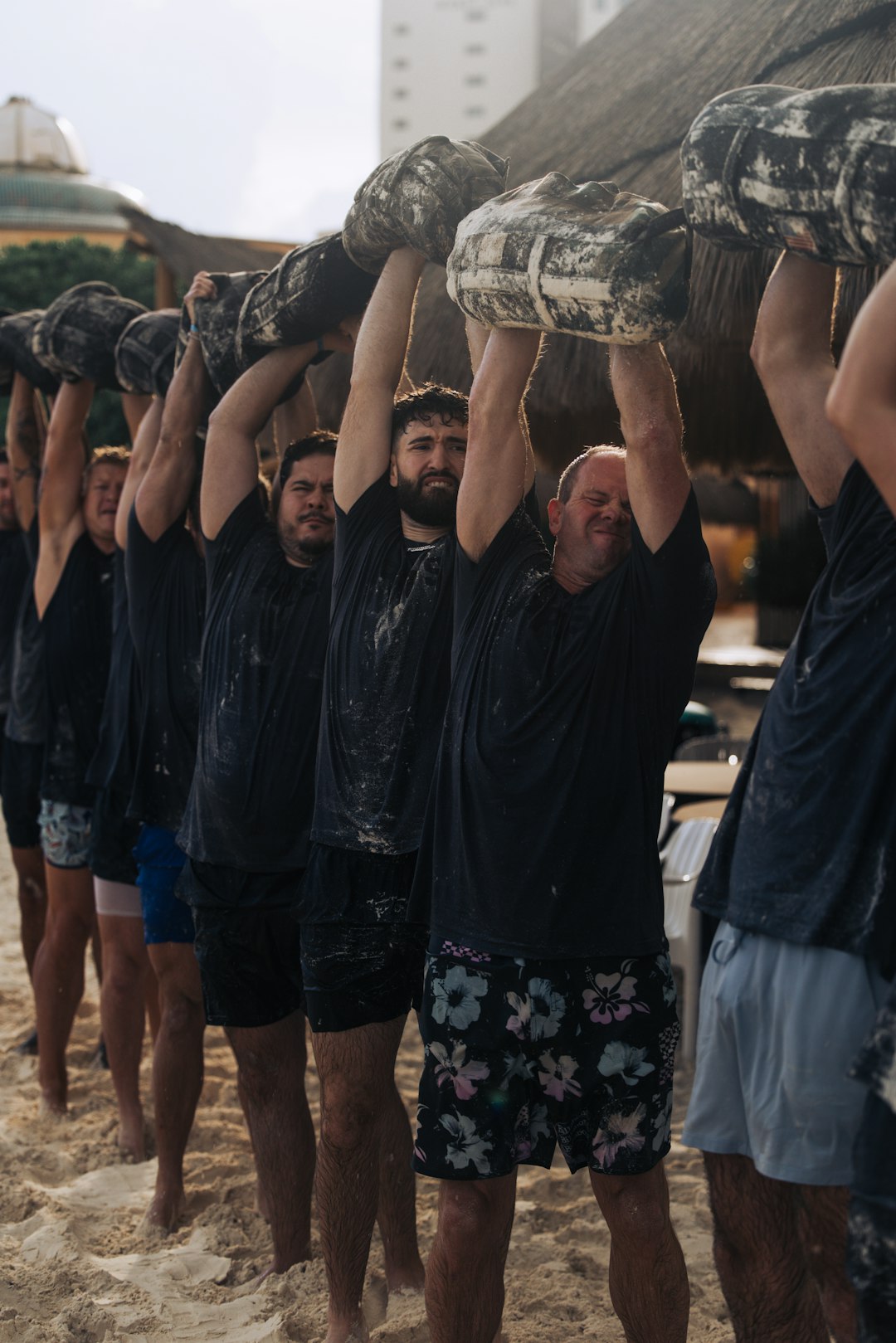
A wellness challenge is suitable for both office and remote teams because it can be completed individually while still encouraging collective participation. The challenge might include walking, hydration goals, stretching, meditation, or sleep tracking. Avoid making it competitive in a way that pressures employees. Instead, focus on participation and consistency.
For example, create a two-week challenge where participants earn points for simple actions:
- Taking a 20-minute walk during the workday
- Drinking enough water throughout the day
- Completing a short stretching session
- Taking a screen-free lunch break
This type of activity supports employee wellbeing while promoting a sense of shared progress. It is also low-cost and easy to adapt for different fitness levels.
3. Volunteer Day or Community Support Project
Volunteering can be one of the most meaningful summer team building activities because it connects employees through a shared purpose. Office teams might spend a day supporting a local food bank, cleaning a community space, or helping an environmental organization. Remote teams can participate in virtual mentoring, online fundraising, or coordinated local volunteering in their own communities.
To make the activity credible and respectful, partner with established organizations and ask employees to opt in rather than making participation mandatory. A volunteer day should not be treated as a branding exercise; it should be a genuine contribution. When handled well, it can strengthen company culture and help employees feel that their team has a positive impact beyond business goals.
4. Team Cooking or Summer Recipe Exchange
Food-based activities are accessible and often enjoyable when organized thoughtfully. In an office setting, teams can host a summer potluck or a cooking class focused on fresh, seasonal dishes. For remote employees, a virtual cooking session can work well if ingredients are simple and easy to find. Another option is a recipe exchange where team members share a favorite summer dish and a short story behind it.
This activity can be especially effective for international or multicultural teams. It gives people a chance to share part of their background in a professional but personal way. Be mindful of dietary restrictions and avoid making anyone feel obligated to cook or disclose personal information.
5. Outdoor Problem-Solving Challenge
Problem-solving activities are useful because they mirror workplace collaboration without relying on formal meetings. For office teams, consider a scavenger hunt, map-based challenge, or low-intensity outdoor escape-style game. The goal should be collaboration, not physical endurance. Divide employees into small groups and give them tasks that require communication, planning, and decision-making.
Remote teams can complete a virtual version using online clues, shared documents, or photo-based tasks. For example, employees might solve a sequence of riddles related to company values, industry knowledge, or general logic puzzles. Keep the tone professional and avoid overly childish games unless your team already enjoys that style.

6. Virtual Summer Social Hour With a Clear Theme
Remote teams often suffer from unstructured virtual events that feel like another meeting. A themed summer social hour can be more effective if it has a clear purpose and a limited duration. Keep it to 45 minutes and include optional, low-pressure participation.
Possible themes include:
- Summer travel stories: employees share a memorable local or international trip
- Desk refresh: participants show one item that improves their workspace
- Book, film, or podcast recommendations: focused on summer learning or relaxation
- Local culture exchange: team members describe a summer tradition from their region
A good facilitator is important. They should guide the conversation, make space for quieter participants, and prevent the event from being dominated by only a few voices.
7. Summer Learning Exchange
Team building does not always have to be recreational. A summer learning exchange allows employees to teach and learn from one another in short, practical sessions. Each participant or small group can present a skill, tool, or lesson learned from recent work. Sessions might cover productivity habits, communication techniques, data practices, client insights, or project management tips.
This format works well for hybrid and remote teams because it can be hosted live or recorded for later viewing. It also recognizes internal expertise, which can improve confidence and cross-functional understanding. To keep it focused, limit each presentation to 10 minutes and include time for questions.
The key is to make the exchange useful rather than performative. Employees should leave with practical knowledge they can apply in their work.
8. Hybrid Recognition and Appreciation Event
Summer is a good moment to pause and acknowledge what teams have accomplished in the first half of the year. A recognition event can be held in person, remotely, or in a hybrid format. The most effective versions are specific and sincere. Instead of generic praise, recognize concrete contributions such as solving a difficult client issue, improving a process, supporting a colleague, or leading a successful project.
For office teams, this might be part of a summer lunch or afternoon gathering. For remote teams, it can be a short video event supported by written recognition in a shared channel. Consider peer-to-peer appreciation as well, where employees nominate colleagues and explain why their contribution mattered.

How to Choose the Right Activity
Before selecting an activity, consider your team’s structure, workload, and preferences. A high-energy outdoor challenge may work well for one group, while another may benefit more from a quiet learning exchange or wellness initiative. The best team building activities are not chosen because they look impressive; they are chosen because they fit the people involved.
Use the following criteria when planning:
- Inclusivity: Can people with different abilities, locations, and schedules participate?
- Purpose: Does the activity support connection, wellbeing, learning, or recognition?
- Time commitment: Is the activity respectful of employees’ workload?
- Voluntary comfort: Can people participate without feeling embarrassed or pressured?
- Follow-up: Is there a way to capture feedback and improve future activities?
Final Thoughts
Summer team building should feel purposeful, respectful, and well organized. Whether your employees work in the office, remotely, or in a hybrid model, the strongest activities create space for genuine interaction rather than forced enthusiasm. A picnic, volunteer project, wellness challenge, learning exchange, or recognition event can all be effective when they are designed around real team needs.
Ultimately, the goal is not simply to fill the calendar with seasonal events. The goal is to help employees build trust, communicate more openly, and feel connected to the people they work with. When that happens, summer team building becomes more than a pleasant break; it becomes a practical investment in team performance and workplace culture.