
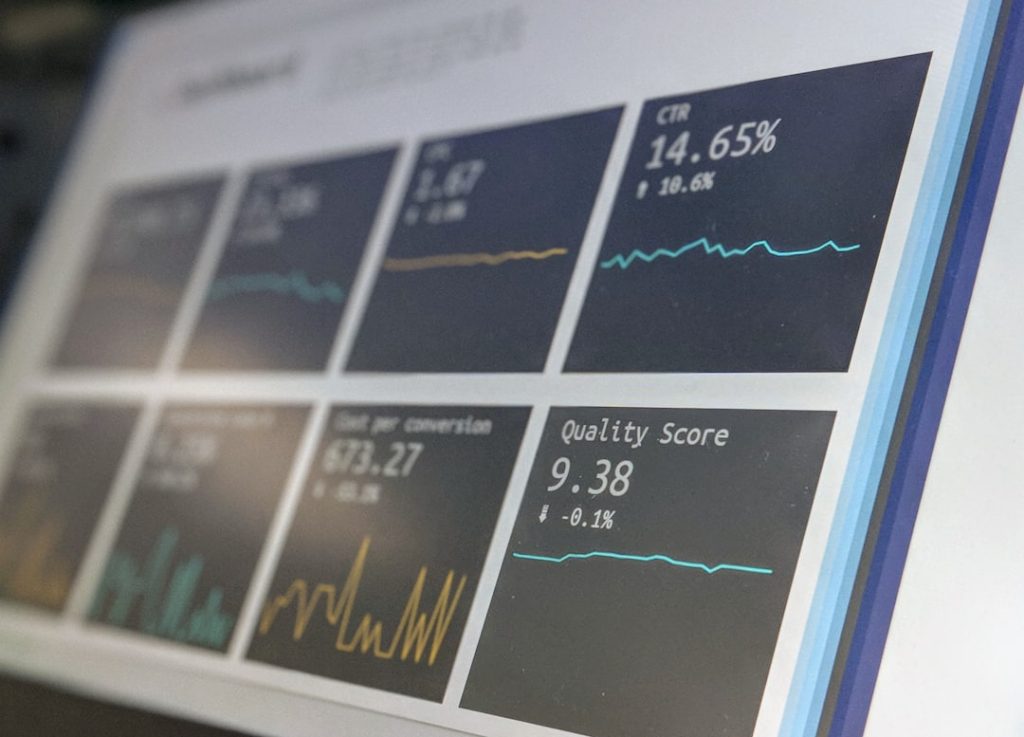
Enterprises adopting connected products, smart infrastructure, industrial automation, fleet systems, and remote monitoring need far more than basic device access. They require secure, scalable, and globally manageable IoT connectivity platforms that can support millions of devices, multiple networks, real-time data exchange, compliance controls, and lifecycle management. The best platforms combine connectivity, device provisioning, monitoring, analytics integrations, and cost governance into a single operational layer.
TLDR: Top-rated IoT connectivity platforms for enterprises include AWS IoT Core, Microsoft Azure IoT Hub, Cisco IoT Control Center, Soracom, KORE, 1NCE, EMQX, Particle, and Telit Cinterion. Cloud-native platforms are strongest for application integration and data pipelines, while cellular connectivity platforms are ideal for global SIM, eSIM, roaming, and cost management. Enterprises usually achieve the best results by selecting a platform based on geography, security needs, device volume, network type, and integration requirements.
What Makes an IoT Connectivity Platform Enterprise-Ready?
An enterprise-grade IoT connectivity platform must provide more than a connection between devices and the internet. It should deliver reliability, visibility, automation, and security across every stage of the device lifecycle. Large organizations often manage assets across countries, networks, carriers, warehouses, vehicles, factories, and customer sites. Without a central platform, operational teams can lose control over device status, data usage, firmware updates, and network costs.
Top-rated platforms typically offer device authentication, SIM or eSIM management, policy controls, billing visibility, diagnostics, data routing, API access, and integration with cloud services. Some platforms specialize in cellular connectivity, while others focus on MQTT messaging, data ingestion, machine learning integrations, or industrial edge environments.

1. AWS IoT Core
AWS IoT Core is one of the most widely adopted cloud IoT platforms for enterprises that already rely on Amazon Web Services. It supports secure device communication through MQTT, HTTPS, and WebSockets, while integrating directly with services such as AWS Lambda, Amazon S3, Amazon Kinesis, Amazon Timestream, and Amazon SageMaker.
The platform is especially strong for companies building large-scale IoT applications that need data processing, event-driven workflows, analytics, and machine learning. Its device shadow feature allows applications to interact with devices even when they are temporarily offline. AWS IoT Device Defender and AWS IoT Device Management add security auditing, fleet indexing, remote actions, and compliance monitoring.
Best for: enterprises seeking deep cloud integration, global scalability, advanced analytics, and flexible application development.
2. Microsoft Azure IoT Hub
Microsoft Azure IoT Hub is a top choice for enterprises invested in the Microsoft ecosystem. It provides secure bi-directional communication between IoT applications and devices, with strong support for device provisioning, message routing, digital twins, and enterprise identity management.
Azure IoT Hub works well with Azure Digital Twins, Azure Stream Analytics, Microsoft Defender for IoT, Power BI, and Azure Functions. This makes it valuable for manufacturers, energy companies, logistics operators, healthcare providers, and smart building platforms that require operational intelligence and visualization.
The platform’s strength lies in its balance of industrial capabilities, developer tooling, and enterprise governance. Organizations using Microsoft security, compliance, and reporting tools often find Azure IoT Hub easier to align with existing IT policies.
Best for: industrial IoT, smart facilities, enterprise analytics, and organizations standardized on Microsoft technologies.
3. Cisco IoT Control Center
Cisco IoT Control Center is a highly regarded platform for managing cellular IoT connectivity at enterprise scale. It is frequently used by automotive, logistics, utilities, manufacturing, and connected equipment companies that need centralized control over SIMs, roaming, usage, activation, diagnostics, and service plans.
The platform gives enterprises visibility into device behavior across carrier networks and helps reduce unexpected data costs. Its automation capabilities allow organizations to define rules for activation, suspension, alerts, and usage thresholds. For deployments involving thousands or millions of cellular-connected assets, this kind of automation is critical.
Best for: enterprises that need carrier-grade cellular IoT management, especially for connected vehicles, industrial equipment, and distributed assets.
4. Soracom
Soracom is a flexible IoT connectivity platform known for global cellular access, cloud-native networking tools, and developer-friendly APIs. It supports SIM, eSIM, LTE, LTE-M, NB-IoT, and other connectivity options depending on region and deployment requirements.
Soracom stands out because it combines connectivity management with secure private networking, data routing, protocol conversion, and integrations with major cloud platforms. Enterprises can route device data to AWS, Azure, or Google Cloud without building every network layer from scratch.
The platform is often selected by companies that need to launch international projects quickly while retaining programmatic control over connectivity. Its console and APIs support operational teams that need automation, billing control, and detailed session visibility.
Best for: global IoT deployments, startups scaling into enterprises, connected products, asset tracking, and cloud-integrated device fleets.

5. KORE
KORE is an enterprise IoT connectivity and managed services provider with strong expertise in global cellular deployments. It offers connectivity management, eSIM options, security services, hardware support, logistics, and professional services for complex IoT programs.
KORE is especially valuable for organizations that want more than a self-service platform. Its managed connectivity and consulting services help enterprises plan deployments, select carriers, certify devices, manage supply chains, and optimize long-term operations. This makes it suitable for healthcare, fleet management, industrial monitoring, retail, and asset tracking.
Best for: enterprises seeking a full-service IoT partner for global cellular connectivity, deployment planning, and managed operations.
6. 1NCE
1NCE is known for simple, predictable IoT connectivity pricing, often appealing to enterprises that operate low-bandwidth devices over long lifecycles. Its model commonly supports use cases such as sensors, meters, trackers, smart city devices, and environmental monitoring systems.
The platform provides cellular IoT connectivity with management tools, API access, and coverage across many regions. For massive deployments where each device sends small amounts of data, predictable lifetime connectivity pricing can simplify budgeting and procurement.
While 1NCE may not provide the same broad cloud application stack as AWS or Azure, it is highly attractive for organizations that prioritize low-cost, long-term cellular connectivity.
Best for: low-data IoT deployments, smart metering, environmental sensors, and large fleets requiring predictable connectivity costs.
7. EMQX
EMQX is a leading MQTT messaging platform designed for high-performance IoT data movement. It is commonly used when enterprises need to handle large numbers of concurrent device connections and real-time event streams.
Unlike cellular connectivity management platforms, EMQX focuses on the messaging layer. It supports MQTT at scale, bridging, rules engines, authentication, authorization, and integration with databases, streaming platforms, and cloud systems. Enterprises use it for connected vehicles, industrial telemetry, energy systems, and real-time monitoring applications.
EMQX is available in open-source, enterprise, and cloud editions, giving technical teams flexibility in deployment architecture. It is particularly strong for organizations that need control over message infrastructure and latency.
Best for: real-time MQTT messaging, large-scale telemetry, industrial data pipelines, and custom IoT platforms.
8. Particle
Particle provides an integrated IoT platform that includes hardware modules, connectivity, device management, firmware tools, and cloud services. It is popular among companies building connected products that need faster development and simpler fleet operations.
Particle is particularly useful when enterprises want a unified experience from device hardware to cloud management. Its platform supports over-the-air firmware updates, device diagnostics, event publishing, and fleet visibility. This can reduce engineering complexity for product teams that want to avoid stitching together multiple vendors.
Best for: connected products, rapid prototyping, commercial device fleets, and teams seeking integrated hardware and connectivity management.
9. Telit Cinterion
Telit Cinterion offers IoT modules, connectivity services, and management platforms for enterprise and industrial environments. It is widely recognized in sectors where hardware reliability, cellular certification, and lifecycle support are critical.
The company’s portfolio supports industrial IoT, smart energy, healthcare, transportation, and retail applications. Enterprises often consider Telit Cinterion when they need both embedded connectivity hardware and platform services from a provider with deep experience in cellular communications.
Best for: industrial-grade deployments, embedded cellular modules, regulated environments, and long-lifecycle connected equipment.
How Enterprises Should Compare Platforms
Platform selection should begin with the business model and deployment environment. A company connecting heavy machinery in remote regions has different requirements than a consumer device manufacturer or a smart city operator. Decision-makers should examine several core criteria before committing to a platform.
- Coverage: The platform should support all required regions, carriers, and network technologies.
- Scalability: It should handle current device volume and future growth without major architecture changes.
- Security: Strong authentication, encryption, access control, and monitoring are essential.
- Integration: APIs and connectors should fit existing cloud, analytics, ERP, and security systems.
- Cost control: Enterprises should evaluate data pricing, roaming fees, platform fees, and automation tools.
- Device lifecycle management: Provisioning, diagnostics, firmware updates, and deactivation should be simple.
- Support model: Mission-critical deployments may require managed services and expert support.

Cloud IoT Platforms vs. Connectivity Management Platforms
Enterprises often confuse cloud IoT platforms with connectivity management platforms, but they serve different purposes. AWS IoT Core, Azure IoT Hub, and EMQX primarily manage device communication, message routing, data ingestion, and application integration. They are ideal when software teams need to build IoT applications, analytics pipelines, and digital services.
By contrast, Cisco IoT Control Center, Soracom, KORE, 1NCE, and Telit Cinterion focus more heavily on cellular connectivity, SIM management, roaming, carrier relationships, and network operations. These platforms are ideal when enterprises need to keep devices connected across regions while controlling costs and service quality.
In many mature deployments, organizations use both categories together. For example, an enterprise may use Soracom or Cisco for cellular connectivity while routing data into AWS IoT Core or Azure IoT Hub for analytics and application logic.
Final Thoughts
The top-rated IoT connectivity platform for an enterprise depends on the organization’s technical architecture, geography, device type, data volume, and operational maturity. AWS IoT Core and Azure IoT Hub are excellent for cloud-centric IoT applications, while Cisco IoT Control Center, Soracom, KORE, and 1NCE are strong choices for cellular connectivity management. EMQX serves enterprises that need high-performance messaging, and Particle helps teams accelerate connected product development.
The most successful enterprises rarely choose based on brand recognition alone. They evaluate coverage, security, APIs, support, compliance, pricing, and the long-term operational model. With the right platform, connected devices become manageable business assets rather than fragmented technical liabilities.
FAQ
-
What is an IoT connectivity platform?
An IoT connectivity platform is a system that helps enterprises connect, monitor, secure, and manage IoT devices across networks, carriers, and cloud environments. -
Which IoT platform is best for large enterprises?
AWS IoT Core and Microsoft Azure IoT Hub are strong choices for cloud-scale applications, while Cisco IoT Control Center, KORE, and Soracom are strong for large cellular deployments. -
Is cellular connectivity better than Wi-Fi for enterprise IoT?
Cellular is often better for mobile, remote, or widely distributed assets. Wi-Fi may be suitable for controlled indoor environments, factories, offices, and campuses. -
Do enterprises need both a cloud IoT platform and a connectivity platform?
Many do. A connectivity platform manages network access and SIM operations, while a cloud IoT platform manages messaging, applications, analytics, and integrations. -
What should enterprises prioritize when choosing a platform?
They should prioritize coverage, security, scalability, cost visibility, API quality, device lifecycle management, and compatibility with existing cloud and enterprise systems.