In everyday commerce, a billing address is one of the most common pieces of information requested during checkout, account setup, or payment processing. It may look like a simple mailing address, but it plays an important role in confirming identity, preventing fraud, and keeping financial records accurate.
TLDR: A billing address is the address connected to a payment method, such as a credit card, debit card, or bank account. Businesses use it to verify transactions, issue invoices, calculate taxes, and reduce payment fraud. It may be the same as a shipping address, but it does not have to be. When it is entered incorrectly, payments may be declined or delayed.
What Does Billing Address Mean?
A billing address is the address associated with a customer’s payment account. For example, when a person receives a credit card statement at a home address, that home address is usually considered the billing address for the card. Banks, credit card companies, online stores, subscription services, and other businesses use this address to identify the person or organization responsible for payment.
In most cases, a billing address includes the following details:
- Full name of the cardholder, account holder, or business
- Street address, including apartment, suite, or unit number if applicable
- City or town
- State, province, or region
- Postal or ZIP code
- Country
The billing address is not always where an item is delivered. It is the address tied to the payment record. A shopper may live in one place, have a billing address at another location, and send a package to a third address.
Why Is a Billing Address Important?
The purpose of a billing address goes beyond simple contact information. It supports several key business and financial functions.
1. Payment Verification
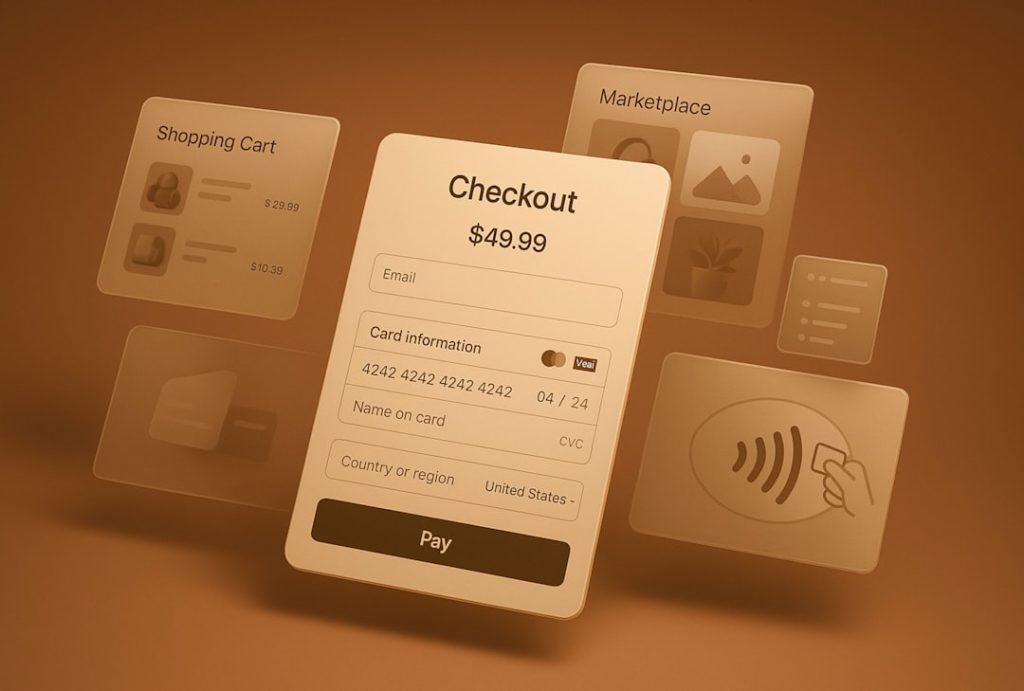
When a customer pays by credit or debit card, the merchant may compare the billing address entered at checkout with the address on file with the card issuer. This process is often part of an Address Verification System, commonly called AVS. If the ZIP code or street number does not match, the transaction may be flagged, reviewed, or declined.
This verification helps confirm that the person entering the payment details has legitimate access to the card. While it does not stop every fraudulent transaction, it adds an important layer of protection.
2. Fraud Prevention
Billing addresses help businesses detect suspicious activity. For example, a transaction may look unusual if the billing address is in one country, the shipping address is in another, and the order is unusually large. Merchants can use this information to decide whether additional verification is needed.
An accurate billing address protects both the business and the customer. It reduces the risk of unauthorized purchases, chargebacks, and account misuse.
3. Invoicing and Receipts
Companies often use the billing address to create invoices, receipts, and account statements. This is especially important for business purchases, where invoices may need to include the legal company name and registered address for accounting or reimbursement purposes.
For subscriptions, utility services, insurance policies, and business accounts, the billing address may also determine where official payment notices are sent.
4. Tax Calculation
In some cases, the billing address helps determine applicable taxes. Digital services, software subscriptions, and online purchases may be taxed based on the customer’s location. A business may use the billing address, shipping address, or service address depending on local tax laws and the type of product sold.
5. Account Management
Billing addresses are also used to maintain accurate customer records. When a customer moves, updating the billing address keeps payment details aligned with bank records and ensures that important documents are sent to the right place.
Billing Address vs. Shipping Address
A billing address and a shipping address are often confused, but they serve different purposes.
- Billing address: The address connected to the payment method or financial account.
- Shipping address: The address where goods are delivered.
Sometimes both addresses are identical. For instance, a person ordering a book for personal use may use the same home address for billing and shipping. However, they can also be different.
Examples include:
- A customer buys a gift and ships it to a friend, while the billing address remains the customer’s home.
- An employee orders office supplies using a company card and ships them to a branch office.
- A student uses a parent’s credit card but receives the package at a college dorm.
- A remote worker ships equipment to a temporary address while the billing address stays tied to a permanent residence.

Examples of Billing Addresses
To make the meaning clearer, here are several simple examples.
Example 1: Personal Credit Card
A cardholder has a credit card account registered to:
Maria Lopez
125 Garden Street, Apartment 4B
Austin, TX 78701
United States
When Maria shops online, this is the billing address she should enter if it matches the address on file with her card issuer.
Example 2: Business Purchase
A company uses a corporate card registered to its headquarters:
Northline Consulting LLC
800 Market Avenue, Suite 300
Chicago, IL 60603
United States
Even if the order is shipped to a different office, this headquarters address may remain the correct billing address for payment and invoicing.
Example 3: Gift Order
A customer orders flowers for a relative. The billing address is the customer’s home because that is where the payment card is registered. The shipping address is the relative’s address because that is where the flowers will be delivered.
What Happens If the Billing Address Is Wrong?
An incorrect billing address can cause several problems. A payment may be declined if the address does not match the bank’s records. A business may delay an order while it checks the transaction. Invoices may include incorrect information, which can create accounting issues. In some cases, a customer may not receive mailed statements or important account notices.
Common mistakes include misspelled street names, missing apartment numbers, outdated addresses, incorrect ZIP codes, and using a shipping address when the payment provider expects the billing address.
When a person moves, the billing address should be updated with banks, card issuers, online stores, subscription services, and any company that charges recurring payments.
How to Find a Billing Address
A billing address can usually be found by checking the records connected to the payment method. Common sources include:
- Credit card or debit card statements
- Online banking profiles
- Payment app settings
- Customer account pages on shopping websites
- Invoices or official account documents
If the address is uncertain, the account holder may need to contact the bank, card issuer, or payment provider. For security reasons, financial institutions may require identity verification before making changes.
Best Practices for Entering a Billing Address
To avoid declined payments and account issues, customers and businesses should keep billing information consistent and current. The address should match the format used by the bank whenever possible. Apartment numbers, suite numbers, and postal codes should be entered carefully. For business accounts, the legal company name should be used when required for invoices or taxes.
It is also wise to review saved payment profiles periodically. Old billing addresses can remain stored in online accounts long after a move, causing unexpected checkout problems.
FAQ
What is a billing address in simple terms?
A billing address is the address linked to a payment method, such as a credit card, debit card, or bank account. It identifies where the payer receives financial statements or official billing information.
Is the billing address the same as the shipping address?
Not always. The billing address is connected to payment, while the shipping address is where an item is delivered. They can be the same, but they may also be different.
Why do online stores ask for a billing address?
Online stores ask for a billing address to verify payment details, reduce fraud, prepare invoices, and sometimes calculate taxes.
Can a payment be declined because of the billing address?
Yes. If the entered billing address does not match the address on file with the card issuer or bank, the transaction may be declined or flagged for review.
How can someone update a billing address?
The account holder can usually update it through an online banking portal, card issuer account, payment app, or merchant account settings. Some providers may require identity verification.
Does a billing address have to be a home address?
No. It can be a home, business, or other official address, as long as it is the address registered with the payment provider.